
Livraison le jour même ou le lendemain

Qualité garantie

Débloquez vos offres de bienvenue: Livraison GRATUITE | Jusqu'à -80 % | 30 jours d'essai gratuits à JoyPlus
Téléchargez l'application
Craving a delicious, vegetarian Asian meal that's ready in minutes? Frozen vegetable gyoza are the perfect solution for satisfying that craving without spending hours in the kitchen. But with supermarket aisles increasingly packed with Asian vegetable dumplings, it can be tough to know which to choose.
This guide is here to help you navigate the world of frozen vegetable dumplings. We've scrutinised several popular options, focusing on ingredients, flavour, and ease of preparation to help you make the best choice.
Before we dive into our top picks, here are a few key things to consider to find the perfect dumplings for you.
Although the terms are often used interchangeably, there are subtle differences:
Your choice will depend on the texture you prefer: the crispiness of a pan-fried gyoza or the soft, pillowy texture of a steamed mandu.
The filling is the heart of the dumpling, and recipes for vegetarian dumplings can vary dramatically. Some showcase a mix of crisp vegetables (cabbage, carrots, mushrooms, chives), while others add tofu for a richer texture and a protein boost.
If you're looking for a more filling option, a tofu gyoza is an excellent choice. Be sure to check the percentage of vegetables and main ingredients on the packaging to gauge how generous the filling is.
Most frozen vegetable dumplings can be prepared in several ways:
Check the instructions on the package, as some doughs are better suited to a specific cooking method.
We've selected a few products that stand out for their high-quality ingredients and distinct flavours.
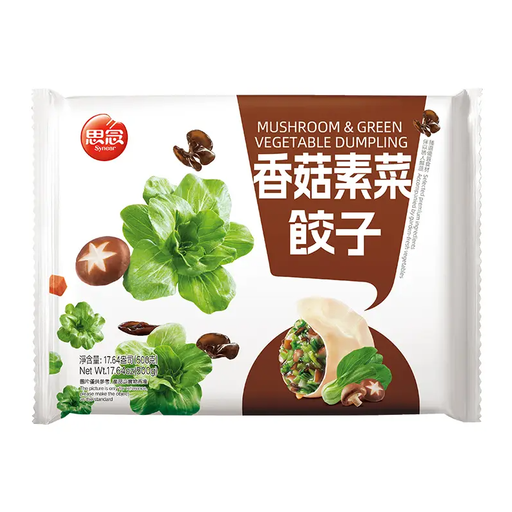
Why it stands out:?The Synear brand delivers a classic and incredibly effective recipe. The combination of shiitake mushrooms and green vegetables provides a deep umami flavour, wrapped in a thin dough that lets the filling shine.
Highlights:?
Who is it for??For fans of traditional Chinese flavours looking for a simple, delicious, and comforting dumpling that offers excellent value for money.
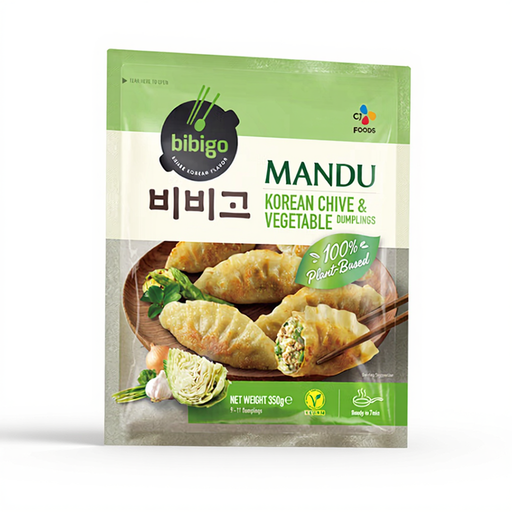
Why it stands out:?The bibigo brand has created a Korean-inspired vegetarian mandu that packs a punch. The filling combines 30% vegetables, tofu, sweet potato vermicelli, and textured vegetable protein, all brought to life by a prominent chive flavour.
Highlights:?
Who is it for??For those who love Korean food and are looking for a vegetarian mandu with personality, a rich texture, and a higher protein content.
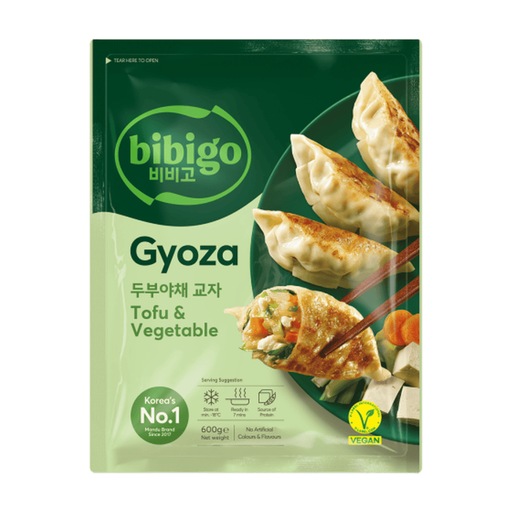
Why it stands out:?This bibigo gyoza version is all about freshness and lightness. With a generous filling made of 46% vegetables (cabbage, carrots, spinach) and 4% tofu, these pan-fried Japanese dumplings promise a tasting experience where vegetables are the star.
Highlights:?
Who is it for??For those who prioritise lightness and the clean taste of vegetables. It's an excellent tofu gyoza option for a main course or a vegetarian side dish.
This selection is just a starting point, but the world of Asian dumplings is vast. If you want to discover other fillings, sizes, or brands, you're sure to find your perfect match in our full range of vegetarian dumplings.
Discover All Vegetable Dumplings
For perfect results, follow the package instructions. The most popular method is to pan-fry the gyoza with a little oil until golden brown, then add a splash of water, cover, and let them steam until the water has completely evaporated. This is the secret to a crispy bottom and a soft top!
The word "dumpling" is a generic term for a piece of dough wrapped around a filling. A "gyoza" is a specific type of Japanese dumpling, recognisable by its thin dough, half-moon shape, and combination cooking method (pan-fried then steamed). In short: all gyoza are dumplings, but not all dumplings are gyoza.
Vegetable gyoza can certainly be part of a balanced diet. They are made primarily from vegetables and grains (for the dough). To assess their nutritional profile, it's always a good idea to check the nutrition facts on the packaging, keeping an eye on the salt and fat content. Don't forget that the cooking method also plays a role: steaming will always be a lower-fat option than deep-frying.