
Livraison le jour même ou le lendemain

Qualité garantie

Débloquez vos offres de bienvenue: Livraison GRATUITE | Jusqu'à -80 % | 30 jours d'essai gratuits à JoyPlus
Téléchargez l'application
With the widespread adoption of USB-C ports on Macs, iPads, and a myriad of chargers, connecting an iPhone or an older iPad with a Lightning port can sometimes be a headache. You need a cable that does more than just connect; it must also ensure fast charging and flawless data transfer. We'll break down the essential criteria and present our selection of the best USB-C to Lightning cables to help you make the right choice.
Before you grab the first one you see, let's review the key features that separate a great cable from a mediocre accessory.
This is the non-negotiable criterion. MFi (Made for iPhone/iPod/iPad) certification means that Apple has approved the cable. In practice, an MFi-certified cable includes an authentication chip that guarantees perfect compatibility with your devices. No more "Accessory Not Supported" error messages?! Most importantly, it protects your battery from power surges and overheating. It's your best insurance for the safety and longevity of your iPhone.
A good USB-C to Lightning cable is the gateway to fast charging for your iPhone. To take advantage of it, pair the cable with a USB-C Power Delivery (PD) power adapter of 20W or more. The result?: a battery that goes from 0 to 50?% in about 30 minutes on compatible models. But that's not all. It's also your best ally for syncing with a Mac or PC, allowing you to transfer your photos, videos, and other files at top speed.
Tired of cables that fray after just a few months?? Build quality is essential. Forget basic plastic that cracks at the connectors and opt for more durable materials like braided nylon or silicone. Some models even innovate with bio-based materials. Also, consider the length?: a 1?m cable is perfect for your desk, but a 2?m model or longer will give you much more freedom of movement at home or on the go.
We have selected three models that check all the boxes for safety and performance, each catering to a specific need.
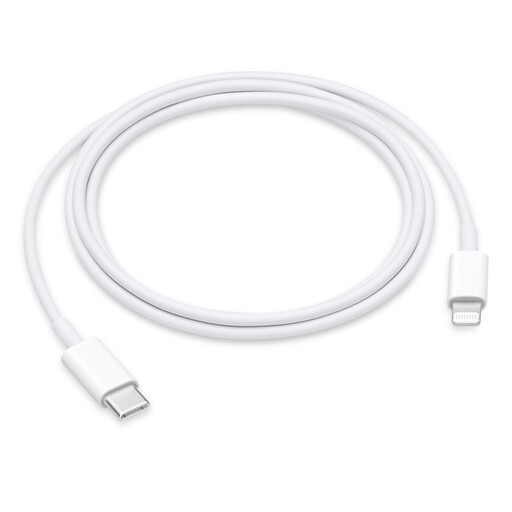
The Sensible Choice?: This is the official Apple cable. Choosing it means opting for seamless integration and rock-solid reliability within the brand's ecosystem.
Advantages?:
Who is it for?? For those who swear by official accessories and want the guarantee of a product that works perfectly, right out of the box.
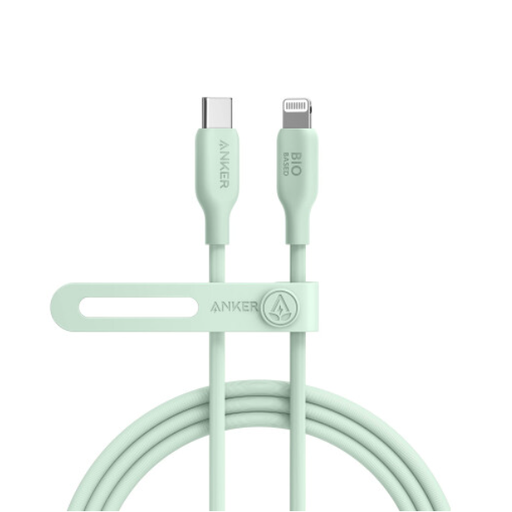
The Eco-Friendly Powerhouse?: This Anker cable combines outstanding durability, a convenient length, and a more environmentally friendly design.
Advantages?:
Who is it for?? For those looking for a cable that is both longer and stronger than the original, with the added bonus of being eco-conscious.
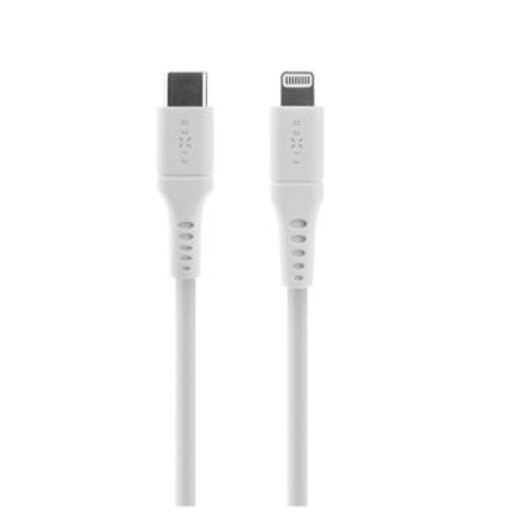
The Tidy Champion with a Velvet Touch?: Its liquid silicone coating gives it a unique flexibility and feel, while its clever accessories make it the king of organization.
Advantages?:
Who is it for?? For organization enthusiasts who hate tangled cables and appreciate pleasant-to-the-touch materials.
The transition to USB-C has created new needs. If the cables featured here aren't exactly what you're looking for—for instance, if you need an adapter for an older accessory—be aware that other solutions are available.
To discover other options, feel free to browse our selection of USB female to Lightning cables.
The difference comes down to two things?: charging speed and connector type. A USB-C to Lightning cable is the only way to enable fast charging (via the Power Delivery standard) on compatible iPhones, which is impossible with a USB-A cable. It also connects to USB-C ports, which are now standard on most new computers, tablets, and chargers.
The easiest way is to look for the official "Made for iPhone/iPod/iPad" logo on the product's packaging. As a general rule, stick to reputable brands and trusted retailers to avoid counterfeits, which can be dangerous for your devices.
No. To take advantage of fast charging on an iPhone, you absolutely need a USB-C charger that is compatible with the Power Delivery (PD) standard and has a power output of 20W or more. A USB-C charger that is not PD-compatible will still charge your phone, but only at a standard speed, similar to an old USB-A charger.