
Livraison le jour même ou le lendemain

Qualité garantie

Débloquez vos offres de bienvenue: Livraison GRATUITE | Jusqu'à -80 % | 30 jours d'essai gratuits à JoyPlus
Téléchargez l'application
Does your smartphone or laptop take forever to charge, or even drain faster than it fills up?? Are you constantly checking if your device is actually charging because of a frayed cable or a fickle connection?? Rest assured, you're not alone. In an era where USB-C is everywhere, finding the right cable has become crucial to finally unlocking the full potential of fast charging.
This guide is here to help. We'll break down the key technical specs you need to consider so you can choose a USB-C to USB-C fast charging cable that is powerful, durable, and perfectly suited for your devices, whether it's a MacBook, an Android smartphone, or a tablet.
Before diving into our top picks, let's review the technical criteria that separate a low-end cable from a truly high-performance model.
Power, measured in watts (W), determines how fast your device charges. But for the magic to happen, the cable, charger, and device must all speak the same language—meaning they must all be compatible with the same power standard.
Most high-performance cables rely on the Power Delivery (PD) protocol. This allows the charger and the device to "negotiate" the ideal power output to deliver, all while ensuring complete safety. Opting for a PD fast charging cable is therefore an excellent rule of thumb to guarantee broad compatibility.
A cable goes through a lot?! It gets bent, coiled, and tossed into the bottom of a bag. Its durability is therefore a non-negotiable feature. Standard models with a plastic (TPE) sheath have an annoying tendency to fray or break at the connectors, where stress is highest.
For a long-lasting investment, choose a braided USB-C cord made of nylon or composite materials. This type of sheathing offers far better resistance to bending and daily wear and tear, significantly extending your cable's lifespan.
Even if charging is your priority, data transfer speed can be a welcome bonus. Be aware that most cables optimized for fast charging only support the USB 2.0 (480 Mbps) standard. This is more than enough for syncing photos or music. However, if you regularly handle large video files or want to connect an external display via USB-C, you'll need to look for more specialized cables (USB 3.2, USB4, or Thunderbolt), which are in a completely different category.
Now that we've covered the basics, here are three models we've selected. Each one meets a specific need in terms of power, durability, and use case.
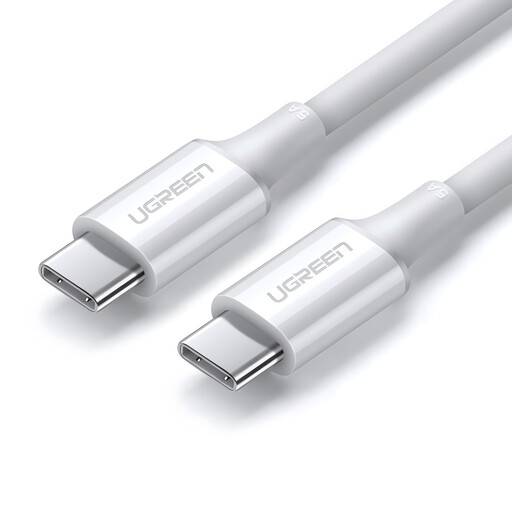
Why it stands out?: This UGREEN cable is the perfect all-rounder?: versatile, reliable, and affordable. Its 100?W power output makes it compatible with almost all devices, including the most demanding laptops. And at 2 meters long, it offers excellent freedom of movement.
Pros?:
Who is it for???: For those looking for a do-it-all cable that can charge their laptop, tablet, and smartphone without worrying about data transfer speeds.
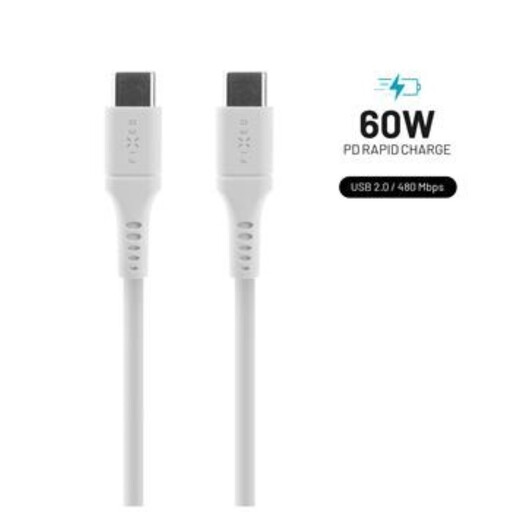
Why it stands out?: This cable's standout feature is its liquid silicone sheath. Soft to the touch and incredibly flexible, it prevents tangles and promises much better durability than conventional plastics.
Pros?:
Who is it for???: For those who are tired of tangled cables and appreciate quality materials and practical accessories for on-the-go use with their smartphone or tablet.
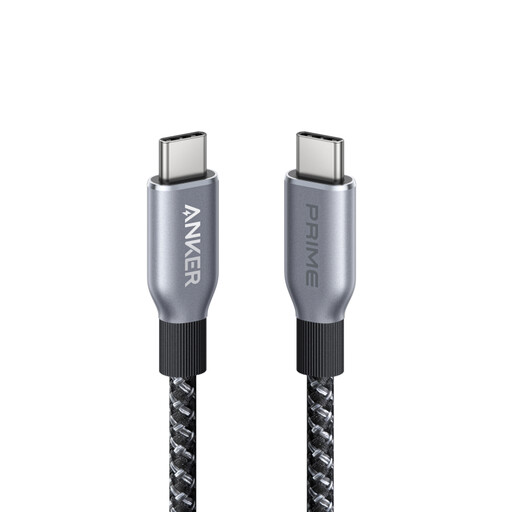
Why it stands out?: This Anker cable is built for extremes and for the future. With its 240?W power output, it's ready for the most demanding devices, both current and future. Its ultra-durable construction is its main selling point.
Pros?:
Who is it for???: For power users with energy-intensive hardware, or for those who want to invest in a "definitive" cable that will last through generations of devices without fail.
Has our selection piqued your interest, but you haven't found the perfect match?? Length, color, specific features... the choice is vast.
Explore our full range of USB-C to USB-C cables to find the model that's perfect for you.
The difference lies in the maximum power the cable can safely deliver. A 100?W USB-C cable covers the needs of most current laptops. A 240?W USB-C cable, on the other hand, is designed for more powerful machines and the devices of tomorrow. Note that to take full advantage of it, your charger and device must also be 240?W compatible.
No, not if you use certified, standards-compliant equipment. Thanks to protocols like Power Delivery (PD), the device and charger "communicate" to determine the exact power needed. Your device will never draw more current than it requires, which eliminates any risk of overcharging.