
Livraison le jour même ou le lendemain

Qualité garantie

Débloquez vos offres de bienvenue: Livraison GRATUITE | Jusqu'à -80 % | 30 jours d'essai gratuits à JoyPlus
Téléchargez l'application
USB-C has established itself as the universal connector for nearly all our electronic devices, from smartphones to the most powerful laptops. But be warned: not all cables are created equal. A poor-quality cable can not only throttle your charging speed but also wear out in record time. Navigating the jungle of standards and specs (power, transfer speed, materials) can be confusing.
As the head of buyer's guides at Joybuy, my mission is to help you make sense of it all. This guide breaks down the essentials of a good USB-C to USB-C cable and presents our top picks for every need and budget.
Before diving into our top picks, let's review the key factors to consider to avoid making the wrong choice.
Expressed in watts (W), power is arguably the number-one criterion. It dictates how fast your device will charge.
To take full advantage, ensure both your charger and your device are compatible with the cable's advertised power output.
A durable cable is, above all, one that can withstand the rigors of daily use. Entry-level plastic models often end up fraying at the connectors—a classic weak point.
Opting for a braided USB-C cable made of nylon or composite materials is therefore a smart choice. This outer sheath provides much better protection against repeated twists and bends. More and more brands, like Anker and Belkin, are incorporating recycled materials into their cables, combining durability with an eco-friendly approach.
The cable's length should be tailored to your needs. A 1-meter (3ft) cable is perfect for your desk or for travel. A 2-meter (6ft) model or longer offers much more flexibility, for instance, allowing you to use your device while it charges from the couch.
When it comes to data transfer, most charging cables stick to the USB 2.0 standard (480 Mbps). This is more than enough for syncing photos or documents. To transfer large video files, you'll need to look for specific cables (Thunderbolt/USB4). But if charging is your priority, USB 2.0 is perfectly adequate.
We've selected three models that stand out for their reliability, performance, and design, catering to different user profiles.
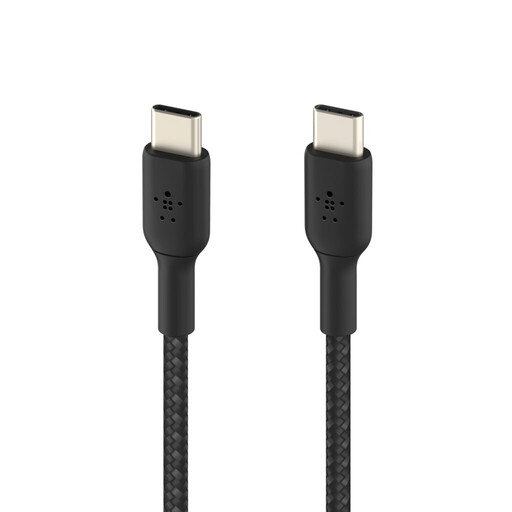
Why it stands out: This Belkin cable is the perfect choice for anyone seeking a balance between performance, durability, and eco-consciousness. Its design incorporates 95% recycled plastic without compromising on sturdiness.
Key features:
Who is it for? For the user looking for a reliable and robust cable for their smartphone, tablet, or ultra-portable laptop, with an eco-friendly mindset.
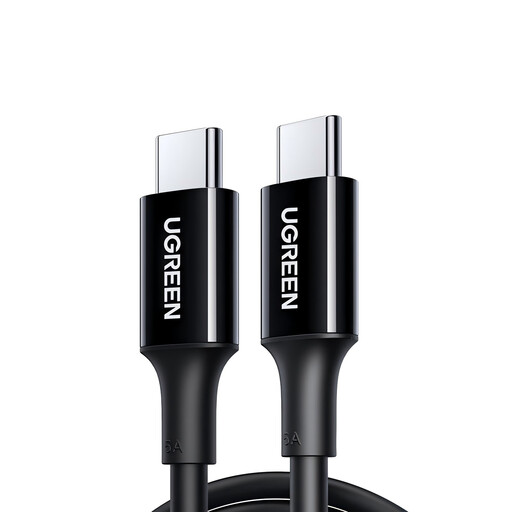
Why it stands out: The UGREEN US300 cable is the ultimate all-rounder. It delivers high charging power at a very attractive price point. Its convenient 2-meter length makes it especially practical for daily use.
Key features:
Who is it for? For those who want a single cable for their smartphone and laptop (excluding gaming models) and who appreciate the convenience of a long cord.
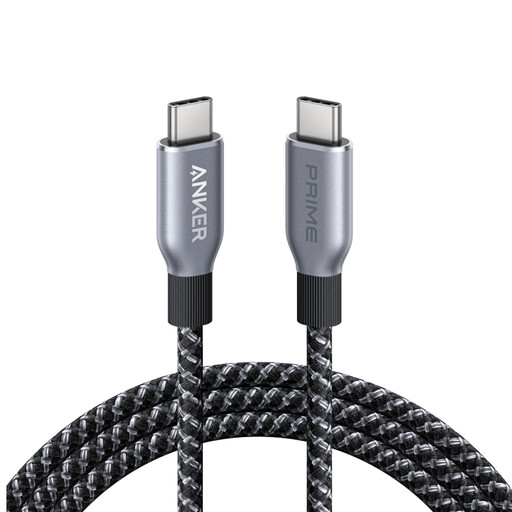
Why it stands out: The Anker USB-C Prime cable is built for the future and the most demanding users. With its 240W power output, it's ready for the next generation of high-performance devices and boasts rock-solid durability.
Key features:
Who is it for? For the tech enthusiast, professional, or gamer with power-hungry devices (MacBook Pro, gaming laptop, docking station) who needs a no-compromise charging solution that is both powerful and durable.
Our selection covers the most common needs, but the USB-C cable market is vast. For a different length, a specific color, or different features, feel free to explore our complete collection.
? Discover Our Full Range of USB-C to C Cables on Joybuy
A 100W cable is sufficient for the vast majority of current laptops. A 240W cable, based on the Power Delivery 3.1 standard, is designed for the latest and most powerful machines. It provides headroom for future devices and ensures your most demanding equipment can already charge at its maximum speed.
Yes, without a doubt. The braided sheath (nylon or other fibers) provides much better protection for the internal wires against everyday bends and twists. The connectors are also often reinforced, which drastically reduces the risk of fraying—the main weakness of standard plastic cables.
Absolutely. Modern USB-C cables and chargers have built-in chips (E-Markers) that allow them to communicate. The charger will only deliver the maximum power your smartphone can safely accept. Using an over-specced cable will never damage your device; it will simply adapt to the power it needs.