
Livraison le jour même ou le lendemain

Qualité garantie

Débloquez vos offres de bienvenue: Livraison GRATUITE | Jusqu'à -80 % | 30 jours d'essai gratuits à JoyPlus
Téléchargez l'application
Bikes, electric scooters, e-bikes... New mobility solutions are taking over our cities, offering a newfound sense of freedom. But this agility shouldn't overshadow the most important thing: your safety. Choosing an urban bike helmet is a decision that matters. It needs to be a perfect blend of protection, comfort, and style to accompany you on your daily rides.
Our editorial team has scoured the market to help you make an informed choice. In this guide, we'll break down the essential selection criteria and introduce the models that caught our eye for 2026.
Before we dive into our top picks, let's review the crucial factors that will ensure you make a purchase you'll be happy with.
Its number one job is to protect you. The first thing to do is check that the helmet is EN 1078 certified. This European standard is your only guarantee of safety. It certifies that the urban protective helmet has successfully passed a series of tests for impact resistance and chin strap strength. This is a non-negotiable prerequisite for any adult bike helmet or electric scooter helmet.
A helmet you wear daily should be so comfortable you forget it's there. Pay close attention to three elements:
Certain features can elevate a good helmet to the next level:
Here are three models that caught our attention, each with its own distinct profile.
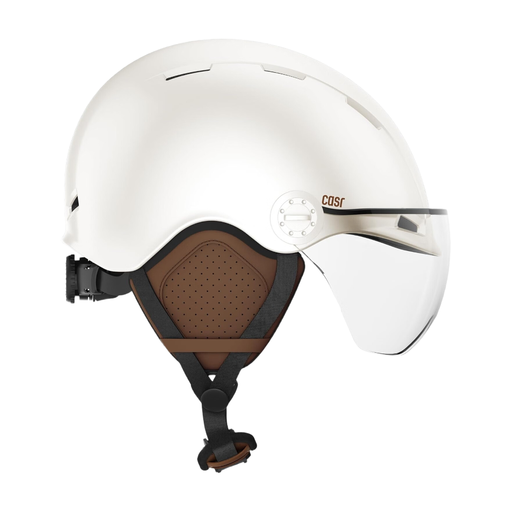
CASR Style Protective Helmet - Cream L
Why it stands out: This model is all about four-season versatility. With its removable ear covers and panoramic visor, it transitions seamlessly from summer commutes to cold winter mornings. Its polished look and cream finish make it a true fashion accessory.
Key features:
Who is it for? For daily cyclists and scooter riders who are out all year round and want a helmet that is as stylish as it is protective, capable of adapting to any weather.
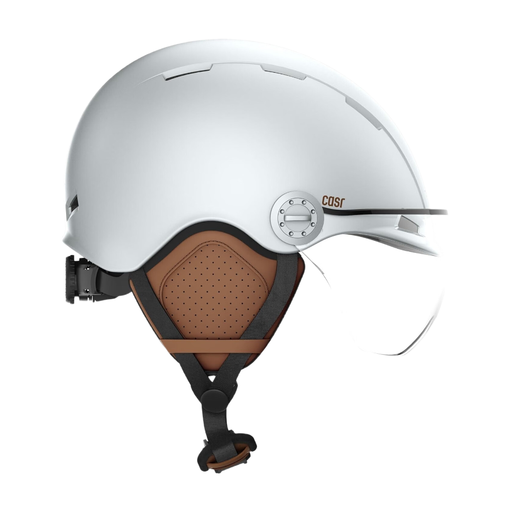
CASR Style Protective Helmet Grey Blue Size L
Why it stands out: Here, the focus is on active safety. The integrated rear LED light, rechargeable via USB-C, is a game-changer for visibility. It's a decisive advantage for early morning, evening, or overcast rides. Its hybrid design strikes an excellent balance between durability and low weight.
Key features:
Who is it for? For electric scooter and e-bike users who often ride in low-light conditions and for whom being seen is not an option.
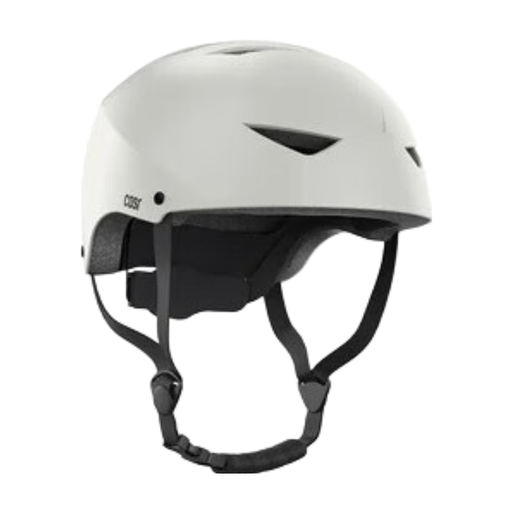
Classic Protective Helmet Light Grey M
Why it stands out: This helmet gets straight to the essentials: simplicity, lightness, and efficiency. Its clean design and matte finish conceal a high-performance In-mold construction that optimises the weight-to-protection ratio. A sleek and incredibly functional choice for urban mobility purists.
Key features:
Who is it for? For commuters and urban cyclists looking for a lightweight, highly ventilated, and discreet no-frills helmet.
Our selection highlights three highly versatile helmet profiles. If you're looking for a specific colour, a different design, or other features, our full catalogue is packed with options.
? Discover more helmet models and accessories on Joybuy.fr
Legislation can vary by region. In France, for example, helmets are mandatory outside of built-up areas. While not always required in the city, they are highly recommended by road safety authorities. A fall, even at low speed, can cause serious head injuries.
The rule is simple: a helmet must be replaced after any impact, even if it just falls from a short height. Why? Because even without visible damage, its internal structure (the EPS foam) can be compromised and may no longer provide adequate protection. If no impact occurs, it's recommended to replace your helmet every 5 years, as the materials degrade over time with exposure to UV light.
Take a flexible measuring tape and measure your head circumference. Wrap the tape horizontally, about 2 cm above your eyebrows and around the widest part at the back of your head. The measurement in centimetres is your reference size. Most helmets offer an adjustment range of several centimetres thanks to their dial. A well-fitted helmet should not move when you shake your head, nor should it feel too tight.