
Livraison le jour même ou le lendemain

Qualité garantie

Débloquez vos offres de bienvenue: Livraison GRATUITE | Jusqu'à -80 % | 30 jours d'essai gratuits à JoyPlus
Téléchargez l'application
Udon noodles are popular for their thick, springy texture, but not every product is suitable for the same uses. From instant portions and microwaveable bowls to cooking pouches and professional formats, choosing the wrong product can quickly lead to disappointment.
French consumers regularly fall into three traps:
The packaging should primarily suit the way you cook and your lifestyle.
Also check whether the noodles are pre-cooked, dehydrated or need to be cooked for several minutes. A difference of two to eight minutes can completely change how you organise your meal.
Authentic udon noodles are generally recognisable by their thickness and soft, chewy bite. Ready-to-cook versions should remain firm enough after reheating, particularly when they are intended to become stir-fried udon noodles.
For plain udon, the cooking instructions play a decisive role:
Recipes intended for udon with soup can be reheated directly in a broth. For microwave preparation, follow the stated power and cooking time: several bowls recommend two to three minutes with a small amount of water.
The noodles generally consist of wheat flour, water and salt, sometimes with modified starch, wheat gluten or thickeners. Check the ingredients list if you are looking for a recipe with no added fat or no added sugar.
The labelling deserves particular attention when it comes to sauces:
Salt content can vary considerably from one product to another. Garak Katsuo Udon, for example, contains 6.75 g of salt per 100 g, compared with 0.4 g per 100 g for plain Chewy Wu-Tung noodles. These values cannot be compared directly between noodles on their own and a complete dish with its seasoning, but they show why it is best to check the nutritional table.
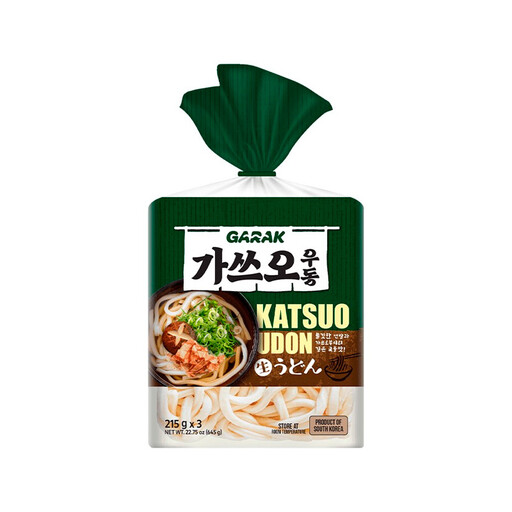
Why this product suits this profile : This three-portion pack lets you discover Japanese udon with Korean-inspired flavours, accompanied by a bonito broth, without having to buy several ingredients separately.
The format clearly states that it contains three individual 215 g portions, to be prepared with 350 ml of water. However, you should take account of the presence of wheat, soya, fish and molluscs, as well as the stated salt content.
Three separate portions, noodles described as soft and thick, a bonito broth and preparation in just a few minutes.
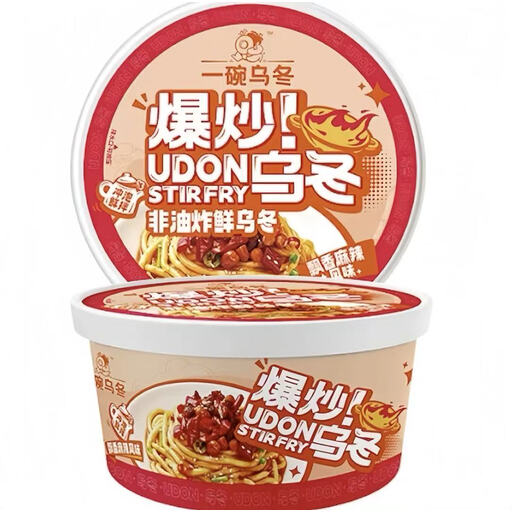
Why this product suits this profile : Enthusiasts of more complex flavours can adjust the sauce, oil and sesame separately to create a truly personalised Asian noodle dish.
The sauce, oil and sesame are packaged separately, so you can adjust the seasoning rather than automatically adding the entire contents of the sachets.
A mala flavour with peanut paste and sesame, separate seasoning portions, and preparation after cooking and draining the noodles.
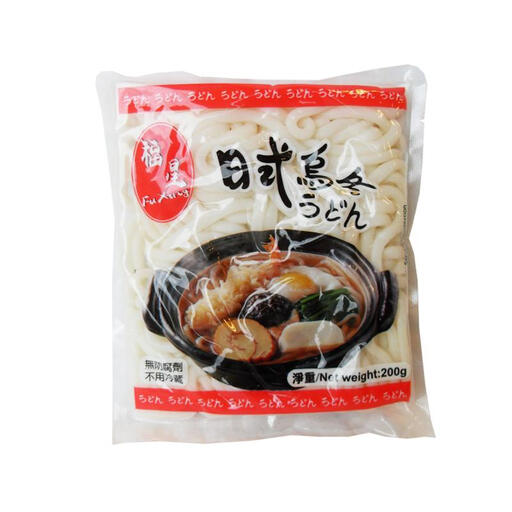
Why this product suits this profile : With its 30 x 200 g pouches, this pack is aimed at restaurants, caterers, large families and kitchens that use udon noodles regularly.
The packaging clearly distinguishes the weight of each pouch from the total weight of 6 kg. Sold plain, these noodles also save you from paying for sauces if you already have your own recipes.
30 individual pouches, ambient storage before opening, a stated cooking time of two to three minutes, and the option to use them in soup, a stir-fry or a cold salad.
We have put together a complete, real-time-updated list of products that meet these demanding selection criteria and European safety regulations.
For udon in a bowl, generally add hot water up to the line, cover and leave to stand for three to five minutes. Some bowls are microwave-safe, but always check the instructions and never heat packaging that is not designed for this purpose.
Stir-fried udon often requires separate cooking, followed by a brief spell in a frying pan with the sauce. You can add mushrooms, cabbage, carrot, an egg, tofu or chicken. For udon with soup, prepare a broth using soya sauce, bonito, seaweed or miso, then add the noodles at the last moment to preserve their texture.
Japanese udon generally refers to a thick wheat noodle served plain with broth or sauce. Korean udon sold in instant formats may have the same texture while offering more intensely seasoned flavours, such as kimchi, spicy seafood or hot chicken. To tell the difference, look at the origin, recipe and level of seasoning.
Before opening, dry or pre-cooked products can be kept until the date shown on the packaging, under the conditions recommended by the manufacturer. Once opened, pre-cooked noodles should generally be eaten quickly and stored in the fridge if stated on the label. A cooked portion should not be left at room temperature for long.
Some bowls and ready-to-heat formats are microwave-compatible, usually for between two and three minutes. Plain noodle pouches generally require cooking in boiling water or reheating after pre-cooking. Always check the packaging material, the microwave power setting and whether the lid needs to be left partially open.