
Livraison le jour même ou le lendemain

Qualité garantie

Débloquez vos offres de bienvenue: Livraison GRATUITE | Jusqu'à -80 % | 30 jours d'essai gratuits à JoyPlus
Téléchargez l'application
The nutty, toasted aroma wafting from a bottle of sesame oil is simply inimitable. It's the secret touch that elevates even the simplest dishes. But once you're in the aisle, choosing the right one can be confusing. Should you pick a light or dark oil? One from Korea or China?
Our mission at Joybuy is to help you navigate the options. This guide is designed to unlock the secrets of toasted sesame oil and help you find the perfect one to enhance your recipes, from bibimbap to a simple vinaigrette.
A few simple criteria are all you need to make the right choice.
The first golden rule: do not confuse light sesame oil (from raw seeds) with toasted sesame oil. The latter, with its amber hue, is made from seeds that are toasted before being pressed.
This process gives it its powerful fragrance and signature nutty flavour. Be careful, however, as it also makes it delicate. It cannot withstand high-heat cooking, which would destroy its delicate aromas and could even make it bitter. Therefore, it should be used exclusively as a sesame oil for seasoning: a few drops at the end of cooking, in a vinaigrette, or as a sesame oil for marinades are enough to perfume any dish.
Asian sesame oil is not a monolith; its taste varies considerably depending on its origin. Korean sesame oil, for example, is renowned for its deep, rich aromas, making it the secret ingredient in dishes like japchae or bulgogi marinades. Other oils may offer lighter or smokier roasting profiles. It's all a matter of taste and the dish you plan to prepare.
Toasted sesame oil is a powerhouse of flavour; a small amount goes a long way. If you only use it occasionally, opt for a smaller bottle (around 150 ml) to ensure its freshness. For avid fans of Asian cuisine, a larger size (300 ml or more) will be more economical. In any case, store it away from light and heat to preserve its precious aromas.
To put theory into practice, here is a selection of popular products, each with its own personality.
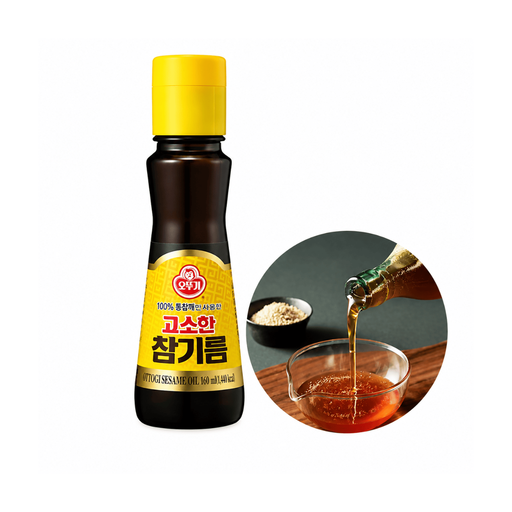
What sets it apart This oil is a staple in Korean cooking. Made from rigorously selected and toasted sesame seeds, it delivers a rich aroma and deep flavour that are the signature of many traditional dishes.
Highlights
Best for? Fans of Korean cuisine looking to recreate the authentic taste of bibimbap, japchae, or Korean barbecue sauces.
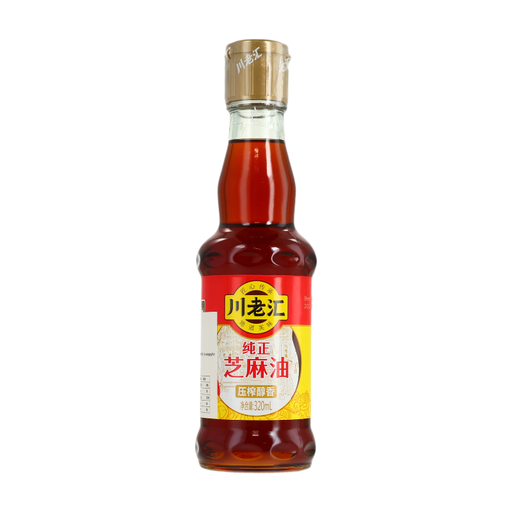
What sets it apart Offered in a generous size, this pure sesame oil is used as a finishing touch. Its intense fragrance is perfect for enhancing soups, noodles, and stir-fries just before serving.
Highlights
Best for? Those who frequently use sesame oil in their Asian dishes and are looking for excellent value for money.
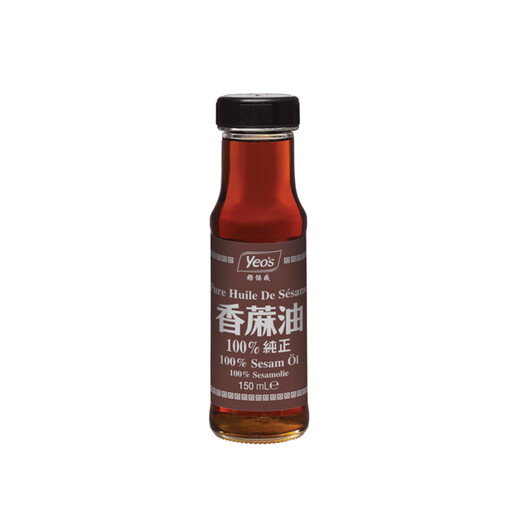
What sets it apart Yeo's is a benchmark brand in Asian gastronomy. Its secret, according to the company? A cold-pressing process that preserves the maximum flavour of the seeds. Its versatility makes it an excellent staple to have in your pantry.
Highlights
Best for? A great starting point for those new to toasted sesame oil or anyone looking for a high-quality, versatile oil in a compact size.
Sesame oil is just one of the treasures in the world of culinary oils. If you're curious to discover other flavours to enrich your cooking, feel free to explore our full range.
? Explore our complete collection of Cooking Oils
Light sesame oil is pressed from raw seeds. Pale in colour with a mild taste, its high smoke point makes it suitable for cooking. Toasted sesame oil, on the other hand, comes from roasted seeds, which gives it its dark colour, powerful aroma, and nutty flavour. It is used only for seasoning, never for high-heat cooking.
Absolutely not! Toasted sesame oil has a very low smoke point. Intense heat would not only destroy its delicate aromas but also risk giving it a harsh, unpleasant taste. Save it for the finishing touch!
For optimal storage, keep your bottle tightly sealed in a cupboard, away from light and heat. Refrigeration is not necessary, but it can help extend its freshness after opening if you use it very infrequently.