For toast toppings or a starter where the tuna is on show, start by comparing tins of whole tuna and tuna fillets. For a spread, the size of the pieces matters less. Then choose tuna in oil or spring water to suit your planned seasoning, and check the drained weight, salt content and storage instructions after opening for the specific product you buy.
Who are these options for?
Hosts who care about presentation
For toast, small glasses or a mixed salad, visible pieces of tuna can make a difference to the presentation. Look for descriptions such as ‘whole tuna’ and ‘fillets’ to compare options, but bear in mind they don’t guarantee how the tuna will look in every tin.
Anyone preparing party nibbles in a hurry
If you need to assemble several bites before serving, labels such as ‘already drained’ or ‘no need to drain’ can make preparation easier. Just check that the oil and seasoning will work with your recipe.
Shoppers who read the label carefully
To compare two tins, check the tuna species, ingredients, salt content, drained weight and storage instructions. If it matters to you, check the certification shown on the specific product too.
What should you look for?
Start by thinking about how the tuna will be used: will the pieces be visible, or mixed into a filling? Then compare the seasoning and the amount you can use before choosing a product.
| What to consider |
What to check |
Who is it for? |
| Presentation and pieces |
The description ‘whole tuna’ or ‘fillets’, and the net drained weight. |
If I’m putting tuna on toast, I want pieces that stay visible rather than a flaked mixture. Around 33% of consumers would put presentation at the top of their list of priorities. |
| Flavour and preparation |
The type of oil, the seasoning and whether it says ‘already drained’. |
If I’m putting nibbles together quickly, I look for a tin that goes well with my toppings. Around 27% of consumers would put convenience first. |
| Fishing information |
The species listed and, if it matters to you, the MSC label on the tin you choose. |
Before choosing my recipe, I want to know which tuna it contains and check the certification shown on the product. This would be a priority for around 20% of consumers. |
| Ingredients and salt |
The ingredients, salt per 100 g and instructions for after opening. |
If my topping already contains a sauce or other salty ingredients, I want to be able to adjust the seasoning. Around 20% of consumers would check the ingredients in the tin first. |
Mistakes to avoid
-
Choosing based only on the word ‘premium’
This wording doesn’t tell you the species, the size of the pieces or the type of oil used. Two tins described this way could suit quite different recipes.
For a presentation that shows off the pieces, check the product description and drained weight first. For a spread, focus on the ingredients and seasoning.
-
Working out portions using only the total weight
The weight on the tin doesn’t always tell you how much tuna you’ll have after draining. That matters if every piece of toast needs a portion of tuna.
Compare the net drained weight where it’s shown, and adjust the number of tins to the portions you’re planning.
If there isn’t enough tuna to use, you may need to change your planned presentation.
-
Salting the topping before tasting it
Tinned tuna already contains salt, and the amount varies between products. A sauce or other salty ingredients will also affect the final flavour.
Taste the tuna with its topping before adding salt, and compare the nutritional information per 100 g if this matters to you.
-
Relying on one product for the whole meal
A retailer’s range can vary depending on the shop or the collection option you choose.
Before your New Year’s Eve shop, identify another tin that suits the same kind of recipe: one with visible pieces, tuna in spring water or seasoning that’s ready to serve.
A last-minute substitute may mean adapting the recipe or preparation time.
Brands and ranges to compare
The details below apply to the specific products mentioned, not to every product from each brand or retailer.
Petit Navire
The range includes whole tuna in extra virgin olive oil with an MSC label, as well as whole tuna that’s already drained and topped with a drizzle of olive oil.
- Petit Navire lists its whole tuna in extra virgin olive oil in a 160 g tin.
- The MSC label and ingredients for this particular product don’t automatically apply to other Petit Navire tins.
Saupiquet
Saupiquet’s range includes skipjack tuna fillets in extra virgin olive oil.
- The description ‘fillets’ can help you choose when you want the tuna to be visible on the plate.
- For the fillets mentioned here, Saupiquet advises keeping them in the fridge and eating them within two days of opening.
Carrefour / Le Savoureux
A Le Savoureux product of whole yellowfin tuna in extra virgin olive oil was listed in the Carrefour range reviewed.
- Its listed 104 g size makes it easy to compare with the other tin sizes you’re considering for your recipe.
- Check the ingredients and drained weight on the product you choose before working out portions.
E.Leclerc / Pêche Océan et Nos Régions ont du Talent
These ranges include products of whole white tuna in olive oil, which you can compare individually.
- The Pêche Océan product mentioned lists white tuna, 34% extra virgin olive oil and salt in its ingredients.
- E.Leclerc notes that some products aren’t sold directly on its website, so check the range at your chosen shop or Drive collection point.
Auchan / Rio Mare
Auchan lists a Rio Mare product of whole yellowfin tuna with a drizzle of olive oil, in a 3 × 65 g pack.
- The Auchan product information says there’s no need to drain this product.
- After opening, it should be kept in the fridge and eaten within two days, according to the product information.
Lidl / Nixe
Lidl has listed a multipack of Nixe tuna in olive oil, with 7 × 80 g tins.
- A multipack can be compared with the number of dishes you’re planning to prepare.
- Check what’s available locally, along with the ingredients and drained weight of the multipack on offer.
Tinned tuna for New Year’s Eve recipes
These Joybuy products let you compare tuna in oil, water and spring water for cold starters or fillings. If you need visible pieces, check the form of the tuna in the specific product you choose: it isn’t stated for every tin.
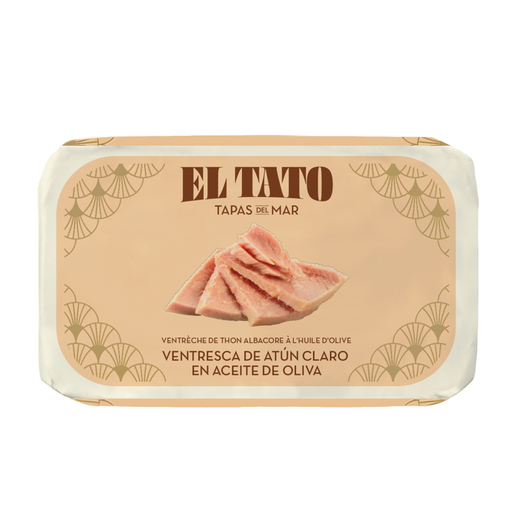 Image unavailable
EL TATO, yellowfin tuna loin in olive oil, 120/85 g
Worth considering for a starter where you want the tuna to be visible: the product description says it’s a loin, but doesn’t guarantee how the pieces will look when you open the tin.
Yellowfin tuna in olive oil. Check the packaging to see what the 120 g and 85 g weights refer to before planning portions.
View on Joybuy
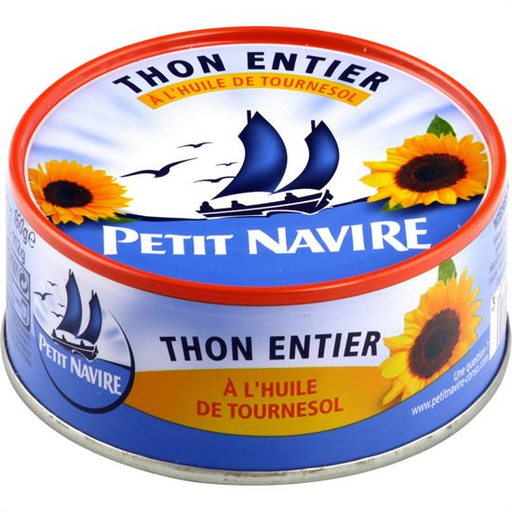 Image unavailable
Petit Navire, whole tuna in sunflower oil, 160 g
The description ‘whole tuna’ may suit a cold starter where you want the tuna to be visible. Check that the pieces hold their shape for your presentation.
This product is in sunflower oil, not olive oil. Check the drained weight to work out how much tuna you can use.
View on Joybuy
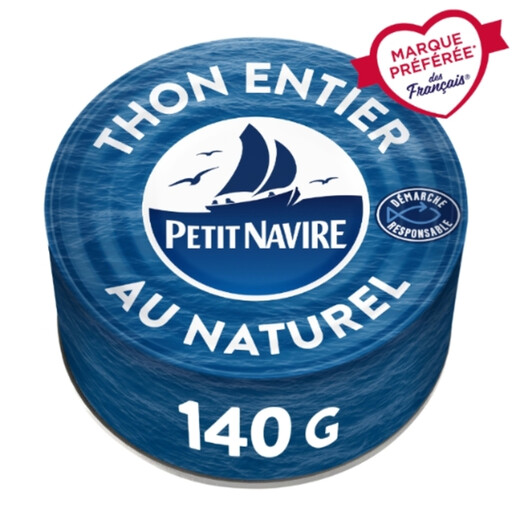 Image unavailable
Petit Navire, tuna in water, 140 g
This tuna in water could work well in a recipe where you’re preparing the sauce or topping separately.
The product description gives a weight of 140 g, but doesn’t say whether the tuna is whole or in fillets. Check the size of the pieces if it matters to your presentation.
View on Joybuy
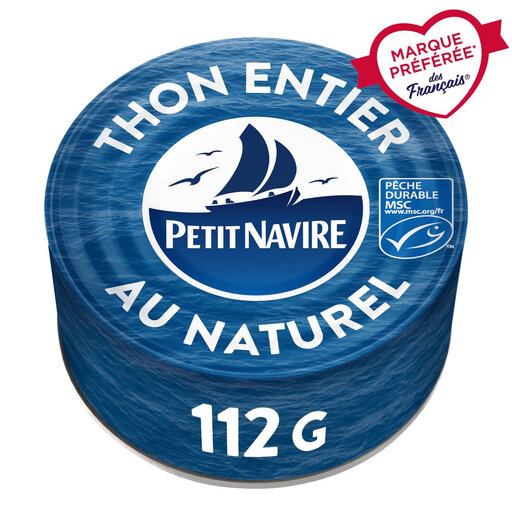 Image unavailable
Petit Navire, MSC tuna in spring water, 112 g drained from 160 g
The drained weight shown can help you work out how much tuna you’ll need for a salad or a separately seasoned topping.
The product description has an MSC label and states 112 g drained from 160 g total. Check the label on the tin you buy; the product title doesn’t specify the size of the pieces.
View on Joybuy
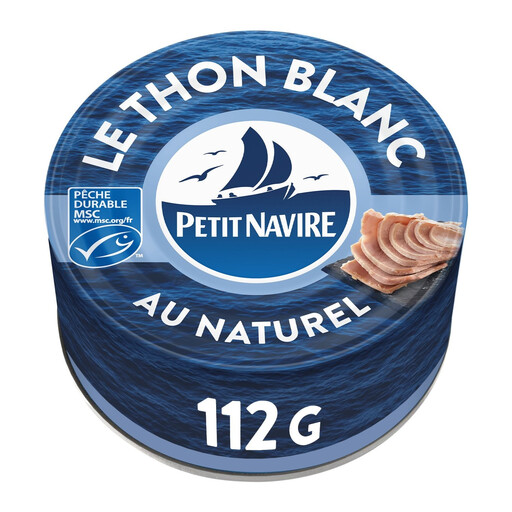 Image unavailable
Petit Navire, MSC white tuna in spring water, 112 g
Worth comparing for a recipe where you want to choose the sauce and seasoning separately.
The product description specifies ‘white tuna in spring water’ and has an MSC label. Check whether the 112 g refers to the net or drained weight on the tin, and check the size of the pieces if you want them to stay visible.
View on Joybuy
Frequently asked questions
Whole tuna, fillets or flakes: which should you choose for toast?
Choose a tin labelled ‘whole tuna’ or ‘fillets’ if you want the pieces to stay visible on your toast. For a tuna spread or mixed filling, the original form matters less. Either way, check the drained weight to plan your portions.
Does tuna in olive oil suit every New Year’s Eve recipe?
No. Choose it if you want the oil to be part of the seasoning. If your recipe already includes a sauce or dressing, compare tuna in spring water too, and check the ingredients and salt listed on each tin.
How should you store tuna after opening the tin?
Follow the instructions on the tin you buy. For the Saupiquet and Rio Mare products mentioned here, the product information says to keep them in the fridge and eat them within two days of opening. Another product may have different instructions.
Should you plan an alternative for someone who is pregnant or a young child?
Check the Anses recommendations before serving tuna to someone who is pregnant or a child under three: the agency classifies tuna as a wild predatory fish whose consumption should be limited for these groups. When planning the menu, check the guidance that applies to your guests.


