
Livraison le jour même ou le lendemain

Qualité garantie

Débloquez vos offres de bienvenue: Livraison GRATUITE | Jusqu'à -80 % | 30 jours d'essai gratuits à JoyPlus
Téléchargez l'application
The secret to successful tempura lies in achieving a light, golden, and incredibly crispy batter. Whether you're coating shrimp, seasonal vegetables, or even chicken, the choice of flour is crucial. With a growing number of options on the market, it can be challenging to navigate the choices and select a tempura batter mix that meets your standards for quality and simplicity. As a Product Recommendation Manager at Joybuy, my role is to provide you with clear guidance to help you make an informed choice, steering clear of potentially misleading marketing claims.
This guide is designed to introduce you to practical options and give you the keys to buying a tempura flour that suits your needs, whether you're a home cook or a seasoned professional.
Before diving into specific products, a few objective criteria can guide your decision. These points are based on reading the information available on the packaging, in line with current standards.
The texture of a tempura batter depends on its blend. A good Japanese tempura flour is never made from wheat flour alone. Look for the following on the ingredients list:
A short, understandable ingredient list is often a sign of quality and authenticity.
One of the main advantages of a tempura mix is its convenience. A quality mix should only require the addition of ice-cold water to be ready to use. If a recipe asks you to add eggs, yeast, or other complex ingredients, it defeats the purpose of a quick and easy solution. Check the instructions on the back of the package: the phrase "Simply mix with cold water" is an excellent indicator.
Taking into account simplicity, composition, and user feedback, here are two options that stand out for their reliability.
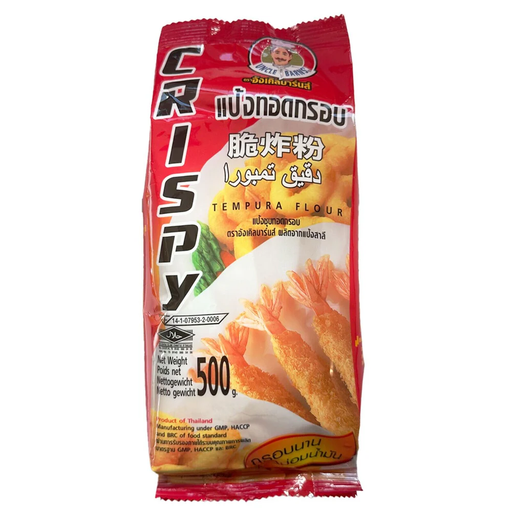
Why We Recommend It
The Uncle Barn's mix is a highly accessible option, designed for those who want to make authentic tempura without any fuss. Its composition is simple and effective, focusing on the essentials: wheat flour, palm oil, yeast, and salt. It produces a batter that adheres well to food and yields a golden, crispy result, meeting the expectations for great homemade tempura.
Pros
Who Is This Product For?
This tempura flour is particularly suitable for home cooks new to Japanese cuisine or for those looking for a quick and reliable solution for a weeknight meal. Its 500g size is convenient for multiple uses.
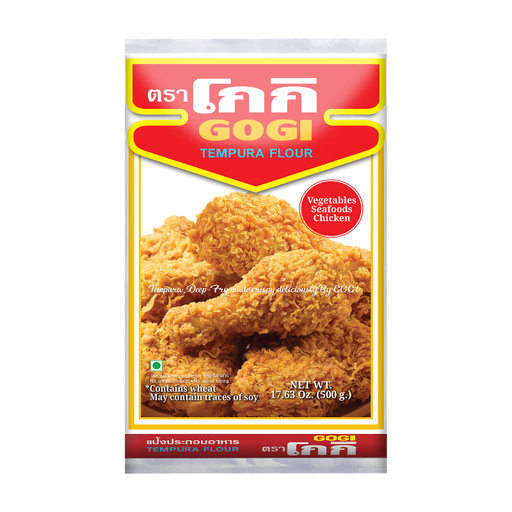
Why We Recommend It
Gogi flour is a well-known staple among fans of Asian cuisine. Its formulation is slightly more technical, incorporating modified tapioca starch. This ingredient is key to achieving a crispiness that lasts longer after cooking, bringing it closer to restaurant-quality results. The presence of a flavour enhancer (monosodium glutamate) aims to boost the flavour of the batter itself.
Pros
Who Is This Product For?
This tempura mix is aimed at discerning home cooks and professionals alike. It is ideal for those who want to replicate the restaurant tempura experience at home, with a particularly successful texture and crispiness that holds up.
Tempura is a specific frying technique that requires a light batter. However, other fried dishes, like Korean-style fried chicken or those needing more robust coatings, may require different mixes. If you want to explore alternatives to vary your flavours and textures, our selection might interest you.
To discover a wider range of mixes suited for various techniques, check out our frying flour category.
Regular wheat flour (like all-purpose flour) contains only ground wheat. A tempura batter mix is a ready-to-use blend that contains wheat flour but also other key ingredients like starch (corn, tapioca) for lightness and a leavening agent for volume. Using only wheat flour would result in a heavier, denser, and greasier batter.
It is strongly discouraged to prepare tempura batter in advance. For optimal results, the batter should be made just before you start frying. Using ice-cold water is crucial, as the thermal shock between the cold batter and the hot oil is what creates that incredibly light and crispy texture. A batter that rests will develop gluten, making it more elastic and less crispy.
Three points are essential: