
Livraison le jour même ou le lendemain

Qualité garantie

Débloquez vos offres de bienvenue: Livraison GRATUITE | Jusqu'à -80 % | 30 jours d'essai gratuits à JoyPlus
Téléchargez l'application
Who hasn't dreamed of recreating that light, airy, and perfectly crispy batter that makes Japanese cuisine so famous? Yet, the attempt can quickly turn into a disaster. How many times has an effort to make shrimp fritters resulted in a heavy, greasy batter, a far cry from the desired outcome? The secret lies not just in the frying technique, but first and foremost in the batter's composition.
Using a dedicated tempura batter mix is the foolproof trick to getting it right every time. These blends are specifically formulated to guarantee a feather-light texture and a crispiness that lasts. As the Head of Product Recommendations at Joybuy, my mission is to help you navigate the options. This guide presents our top picks and practical advice for choosing the right tempura flour for your needs, without the marketing jargon.
Before we dive into our selection, let's review some key criteria to guide your choice and ensure you achieve crispy tempura every time.
The final texture of your Japanese fritter batter depends directly on its ingredients. Tempura mixes are much more than simple wheat flour. They typically contain a combination of:
The balance between these components is therefore key. A quick look at the ingredients list will give you an excellent idea of the results you can expect.
Asian cuisine is a world of diverse fried dishes. Your choice of mix should match the dish you have in mind.
Some mixes are designed specifically for seafood, while others are all-rounders. If you plan on frying a wide variety of foods (vegetables, chicken, fish, shrimp), opt for a versatile tempura mix. This will save you from cluttering your cupboards with multiple packages and ensure a consistent result.
Here are three options we've selected, each with its own strengths to meet different needs and preferences.
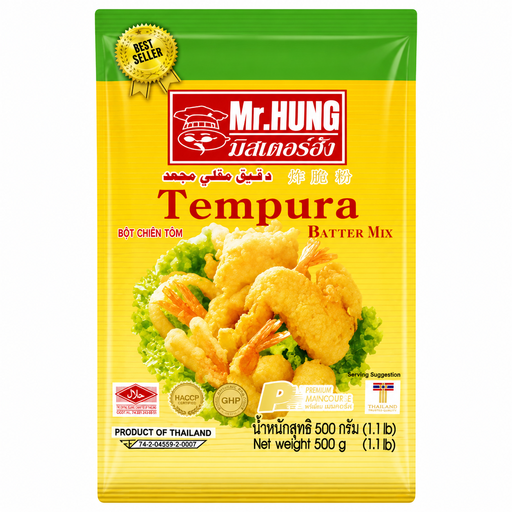
What sets it apart
This mix from Mr. Hung is a very accessible and incredibly effective option. Its formula combines wheat flour, tapioca flour, and rice flour—a winning trio for achieving a batter that is both light and crispy. The hint of black pepper adds a subtle kick without ever being overpowering, making it compatible with a wide range of recipes.
Key features
Who is it for? Ideal for home cooks looking for a reliable and versatile mix to make classic vegetable or shrimp tempura without any fuss.
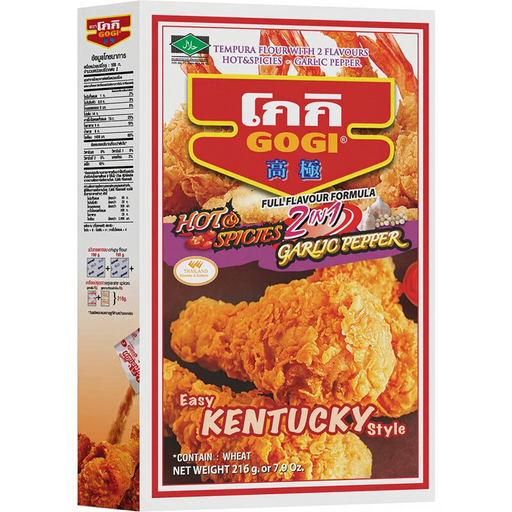
What sets it apart
The Gogi mix stands out for its bold character. Hailing from Thailand, this blend is pre-seasoned with garlic, chilli, and pepper. According to the manufacturer, it is designed to bring a "bold touch" and "intense flavour" to your fried dishes. It's an all-in-one solution that serves as both a coating and a seasoning.
Key features
Who is it for? For flavour enthusiasts and those who want to explore Asian fried dishes beyond traditional Japanese tempura. Excellent for chicken, seafood, or even onion rings.
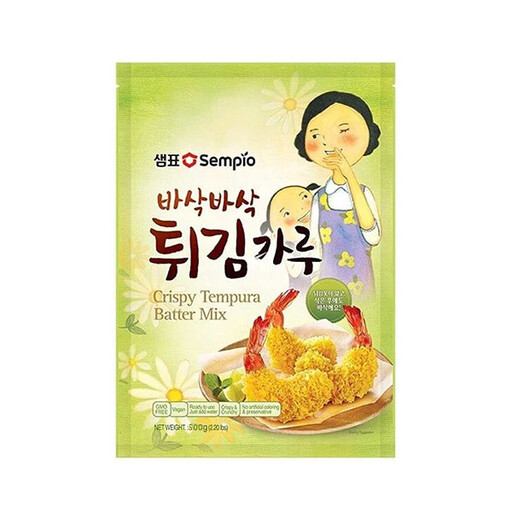
What sets it apart
Sempio is a leading Korean brand, and its tempura mix is formulated for a particularly delicate and airy result, typical of Korean tempura (called twigim). With a high content of wheat flour (90.10%) and the addition of corn starch, this mix promises a very thin, crispy crust that respects the delicacy of the ingredients.
Key features
Who is it for? For purists and fans of Japanese and Korean cuisine who seek to replicate the most authentic and lightest texture possible, worthy of the best specialty restaurants.
Our selection focuses on specific tempura batter mixes. Of course, the world of coatings and batters is vast. If you want to explore other types of mixes for various culinary projects, such as waffles, pancakes, or other kinds of fritters, feel free to browse our wider collection.
? Discover our full range of Baking Mixes to find inspiration for your next creations.
1. What is the difference between tempura flour and all-purpose flour? All-purpose flour (like Type 45 or 55 in France) is made solely from wheat. In contrast, a tempura batter mix is a complex blend that typically has a low gluten content, as well as starches (corn, rice, tapioca) and a leavening agent. This formula is designed to absorb less oil and create a much lighter, crispier texture than plain wheat flour ever could.
2. Can you use a tempura batter mix for things other than Japanese fritters? Absolutely. Its ability to create a light, crispy crust makes it very versatile. You can use it to make Korean-style fried chicken, onion rings, fried fish (for fish and chips), or to coat mozzarella sticks. Seasoned mixes like Gogi's are perfect for these kinds of creative dishes.
3. What is the secret to truly crispy tempura, even with a good mix? The number one secret is the water temperature. Always use ice-cold water (you can even add a few ice cubes) to prepare your batter. The thermal shock between the cold batter and the hot oil is what creates that signature crispiness. Another tip: don't overmix the batter; a few lumps are not a problem. Overworking it develops gluten, which would make it more elastic and heavy.