
Livraison le jour même ou le lendemain

Qualité garantie

Débloquez vos offres de bienvenue: Livraison GRATUITE | Jusqu'à -80 % | 30 jours d'essai gratuits à JoyPlus
Téléchargez l'application
Tea eggs, or cháyèdàn (茶叶蛋), are much more than a simple Asian snack. They are a true sensory experience: the captivating aroma of spices filling the kitchen, the sight of the cracked shells revealing a unique marbled pattern, and finally, that comforting, savoury, and fragrant taste. The only catch? Preparing authentic Chinese marinated eggs can quickly become a challenge. The hunt for star anise, cinnamon, fennel, dried tangerine peels, and other specific ingredients can discourage even the most enthusiastic home cooks, especially without a good Asian grocery store nearby.
This is where ready-to-use tea egg spice mixes come in. Carefully crafted, they allow you to achieve that traditional flavour effortlessly. To help you choose the packet that will turn your eggs into a masterpiece, follow our guide!
For a result that delivers, here are the key points to check.
The secret to a great tea egg mix is the balance of flavours. Most preparations are inspired by the famous Chinese five-spice blend, with a few variations. You will generally find:
Some mixes add black tea, ginger, or galangal for even more complexity. Don't hesitate to break down the ingredient list to find the flavour profile that transports you.
Tea egg mixes primarily come in two forms?:
As with any food product, a quick look at the ingredient list is essential to check for potential allergens (wheat, soy, etc.). Nutritional information, although often brief for spices, can also be useful for checking the salt or added sugar content. However, most traditional mixes are free of these.
Here are our favourite products to get you started and master this Chinese street food classic.
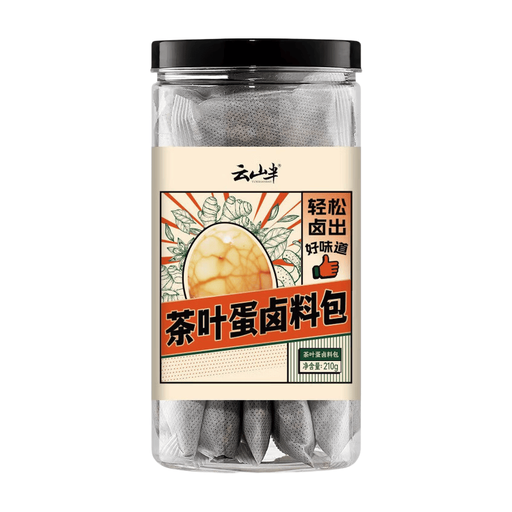
What sets it apart With its generous 210?g size, this is the smart choice for regular use. Its rich and traditional composition (star anise, cinnamon, fennel, dried tangerine peels...) promises a deep, authentic aroma.
Key features
Who is it for? For enthusiasts who make them often, large families, or even restaurateurs looking for a reliable and economical base seasoning.
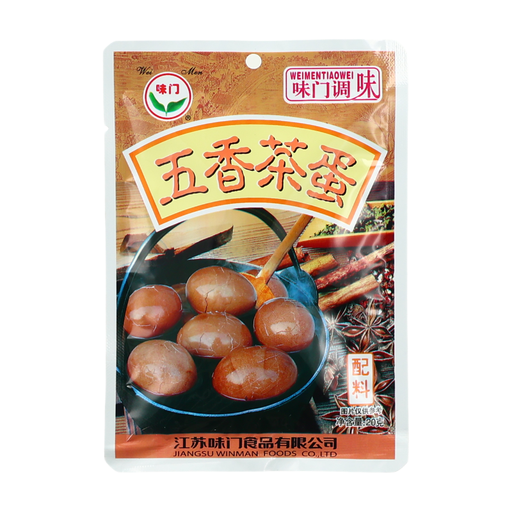
What sets it apart Here, everything is designed for simplicity. The 20?g sachet contains the spices in a non-woven filter bag: just drop it into the broth, with no need to open anything or make a mess. The mix even includes tea leaves for a turnkey recipe.
Key features
Who is it for? For beginners, those who want to try an easy tea egg recipe without the fuss, or simply for occasional use.
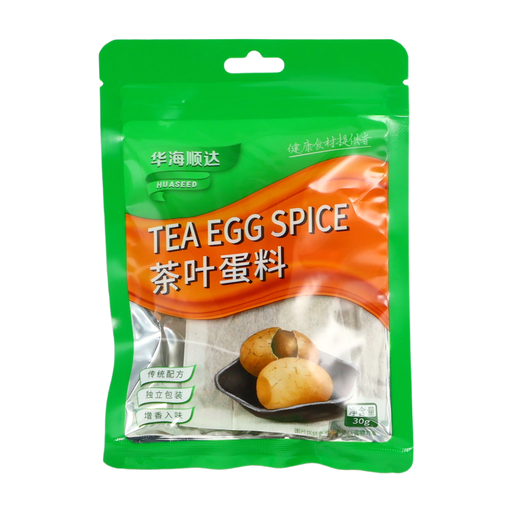
What sets it apart This 30?g mix stands out for its aromatic complexity, incorporating black tea directly into the sachet. The ingredient list is enhanced with galangal and turmeric, in addition to the base spices, for a deeper and more nuanced result.
Key features
Who is it for? For curious cooks seeking a more advanced taste experience, and who appreciate an expert blend that handles the complex balance of flavours for them.
Is your culinary journey through Asia just beginning? For comforting hot drinks or unique pastries, take a look at our selection of chai spices. You'll find the warm, woody notes that define the charm of tea egg mixes.
1. How do I use a tea egg seasoning sachet? It couldn't be simpler! Hard-boil some eggs. Once cooked, gently crack their shells all over with the back of a spoon, without peeling them. Place the eggs back in a pot, cover with water, then add the spice sachet, a little soy sauce, and salt. Let it simmer over low heat for 30 to 60 minutes. For even more intense flavours, let the eggs steep in the broth for several hours (or overnight in the fridge) after cooking.
2. How long should the eggs marinate? Allow at least 30 minutes of simmering for the aromas to start infusing. But to get the famous marbled pattern and a truly distinct flavour, the secret is to let the eggs steep in their broth for at least 4 hours after turning off the heat. The absolute best? An entire night in the refrigerator.
3. Can this seasoning be used for other dishes? Absolutely! This tea egg seasoning is incredibly versatile. Use it to braise tofu, peanuts, chicken pieces, or pork ribs. It will wonderfully flavour all your simmered dishes, giving them an authentic Chinese taste.