
Livraison le jour même ou le lendemain

Qualité garantie

Débloquez vos offres de bienvenue: Livraison GRATUITE | Jusqu'à -80 % | 30 jours d'essai gratuits à JoyPlus
Téléchargez l'application
The secret to successful homemade sushi? The perfect balance in the rice. Achieving that signature sweet and sour flavour can be a real challenge. That's where sushi rice seasoning, or simply sushi vinegar, comes in. This ready-to-use blend guarantees a consistent, authentic result, putting an end to the guesswork of homemade recipes.
As a product curator for Joybuy, my mission is to guide you through the maze of available options. This guide reveals our selection of the best sushi vinegars and provides practical tips to help you find the bottle that won't let you down, whether you're a curious novice or a seasoned maki night pro.
Before diving into our selection, let's review a few essential criteria to ensure you make the right choice.
The foundation of a good sushi vinegar is, unsurprisingly, vinegar. It's most often rice vinegar, traditionally used in Japan for its mildness, but you can also find versions made from spirit vinegar. The label will also tell you about the sugars used (sugar, glucose-fructose syrup) and the potential presence of additives like flavour enhancers (the famous E621 or monosodium glutamate), which provide that sought-after umami taste. Also, remember to check for allergens, especially gluten.
A Japanese vinegar is generally a guarantee of authenticity, formulated according to traditional recipes to capture the typical taste of Japanese cuisine. Other products, made in France or Europe, offer slightly different flavours but are just as effective for your sushi. The choice will depend on your quest for authenticity or your preference for a local product.
A small 200?ml bottle is perfect for getting started or for occasional use. If homemade sushi is a regular ritual in your home, a more generous 360?ml or 500?ml size will be necessary to ensure you never run out mid-preparation.
Here is our top three: three products that caught our eye, each with its own unique character, for delicious sushi rice every time.
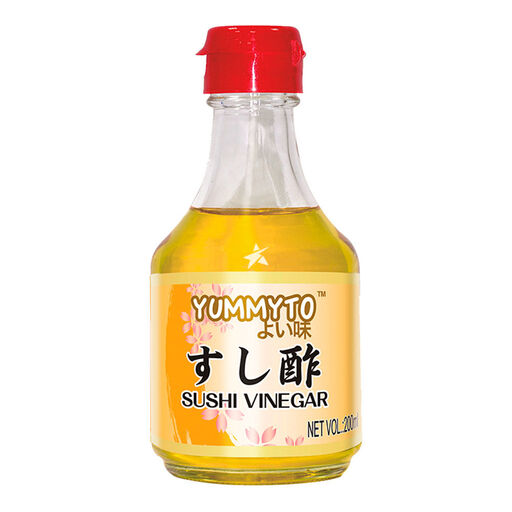
Why it stands out: A simple and effective option that gets straight to the point. Made in France, this wheat spirit vinegar offers a clean, precise flavour. Its small size makes it a perfect, budget-friendly product for starting your journey into the art of sushi.
Pros?:
Who is it for??: Perfect for those embarking on their sushi adventure or who make it from time to time. Note: it contains gluten (wheat), a crucial detail for those with intolerances.
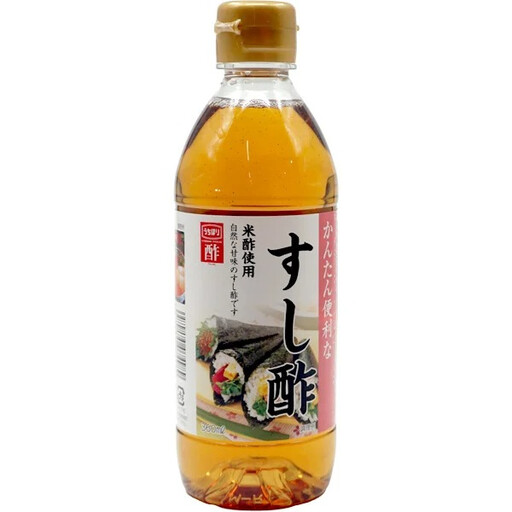
Why it stands out: Made from rice vinegar in true Japanese tradition, Uchibori vinegar is a reliable choice. Its recipe offers a gentle balance without flavour enhancers or major allergens, making it a high-quality all-rounder.
Pros?:
Who is it for??: For fans of Japanese cuisine seeking a classic taste and a clean ingredient list. It's the dependable choice for authentic sushi and other Japanese dishes.
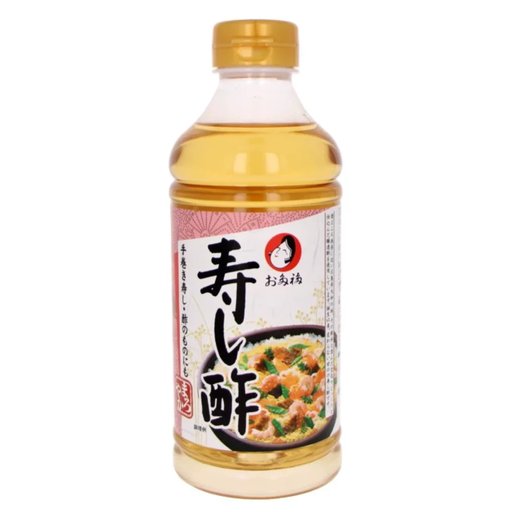
Why it stands out: Offered by Otafuku, a renowned Japanese brand, this vinegar is for those seeking a rich and complex flavour. Its secret? The addition of flavour enhancers (E621, E631, E627) to intensify the rice's umami taste—a real bonus for recreating that addictive flavour found in Japanese restaurants.
Pros?:
Who is it for??: For enthusiasts who prepare sushi in large quantities and love a powerful taste! Its versatility also makes it an excellent partner for seasoning salads and vegetables.
Perfect rice is also a matter of personal taste. If you want to create your own blend with pure rice vinegar or discover other specialities, feel free to explore our full range.
? Discover our entire selection of Japanese vinegar
1. What's the difference between rice vinegar and sushi vinegar?
Rice vinegar is a raw ingredient: a mild vinegar made from fermented rice. Sushi vinegar (or seasoning) is a ready-to-use preparation that combines this vinegar with sugar and salt. It greatly simplifies the rice preparation process.
2. How do you correctly measure sushi vinegar?
It all depends on your taste and the specific product. The easiest way is to follow the instructions on the bottle. Generally, you'll use about 30?ml of vinegar for 150?g of uncooked rice (which yields about 300?g when cooked). The secret is to gently fold it into the still-warm rice, lifting the grains with a spatula to avoid crushing them.
3. Can sushi vinegar be used for other things?
Absolutely! Its sweet and sour profile is perfect for vinaigrettes (especially for cucumber or wakame seaweed salads), fish or meat marinades, or for deglazing pan-fried vegetables. It's a versatile condiment to always have in your cupboard.