
Livraison le jour même ou le lendemain

Qualité garantie

Débloquez vos offres de bienvenue: Livraison GRATUITE | Jusqu'à -80 % | 30 jours d'essai gratuits à JoyPlus
Téléchargez l'application
You've invested in a quality knife and sourced impeccably fresh fish, but your homemade sushi still lacks that special something? Does the rice fall apart, or worse, turn into a mushy paste? This is a common frustration for many Japanese cuisine enthusiasts. However, the secret to successful sushi—whether it's nigiri, maki, or California rolls—lies first and foremost in the choice of rice.
As a product expert at Joybuy, I'm here to guide you. Free from marketing jargon, this guide provides the keys to choosing the perfect sushi rice for your needs, whether you're a weekend cook or a seasoned chef.
Choosing a rice for maki or sushi isn't something to be taken lightly. Three key criteria will help you make the right choice.
The primary characteristic of sushi rice is its shape. It must be a short-grain (or sometimes medium-grain) rice from the Japonica variety. These grains are small, round, and rich in a type of starch called amylopectin. It is this composition that, after cooking and seasoning, gives it its unique texture: the grains stick together without becoming mushy, allowing you to shape the sushi effortlessly. Conversely, long-grain rice like basmati or jasmine will never work: it's too dry, and its grains separate after cooking, making shaping impossible.
While Japanese rice remains the gold standard, excellent sushi rice is also grown in Italy and the United States from the same varieties. The final quality depends on the care taken in cultivation and the polishing of the grain. Good sushi rice can be identified by its pearly white colour and well-formed grains with minimal breakage.
Rice has a long shelf life, but it loses its freshness and aroma over time.
To help you put theory into practice, here is our selection of three products that cater to very different needs.
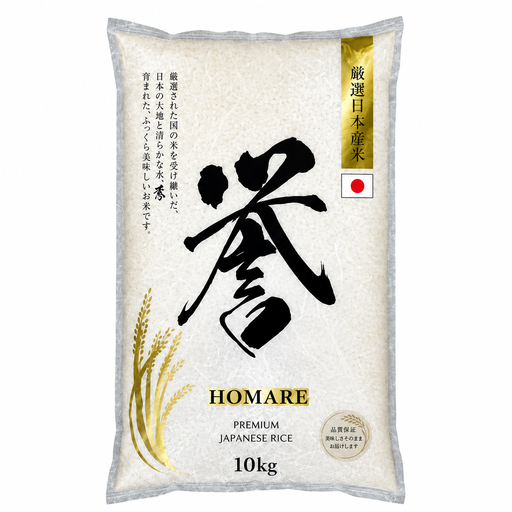
What sets it apart
This rice is distinguished by its high amylopectin content, which gives it a glossy appearance and a texture that is both fluffy and elastic after cooking. Its main advantage: it retains its suppleness even after cooling, an essential quality for preparing sushi and onigiri (rice balls) in advance.
Key features
Who is it for? For knowledgeable home cooks who frequently prepare Japanese dishes, large families, or small food businesses seeking a superior quality product.
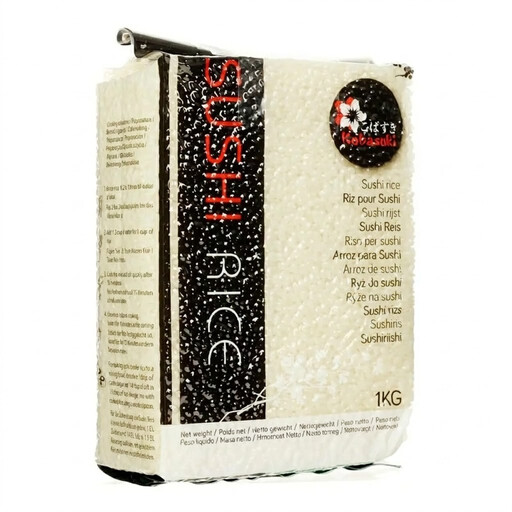
What sets it apart
Kobasuki rice is an excellent entry-level short-grain rice, offered in a convenient 1 kg format. Its vacuum-sealed packaging is a real bonus: it protects the grains from moisture and oxidation, ensuring optimal freshness until opened.
Key features
Who is it for? Perfect for those who want to start making homemade sushi without investing in a large bag, as well as for individuals or small households.
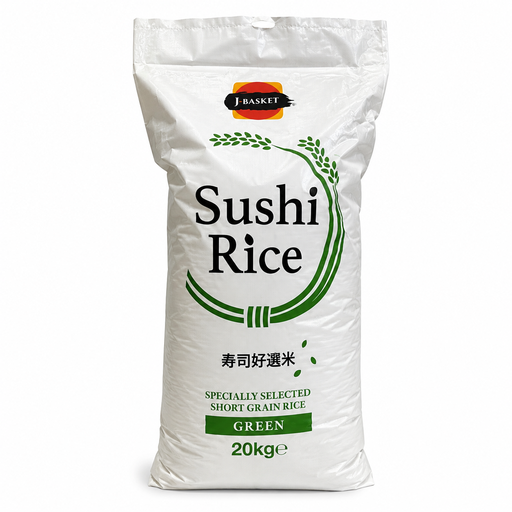
What sets it apart
Grown in Italy, this rice has been specifically selected to meet the demands of the restaurant industry. Its large 20 kg format is designed for intensive kitchen use. It offers consistent quality, a crucial criterion for guaranteeing reliable results day after day.
Key features
Who is it for? This product is unequivocally aimed at professionals: Japanese restaurants, sushi masters, caterers, or corporate canteens with an Asian food offering.
If our selection doesn't quite meet your needs, especially if you're looking for other small-format options, we have other products to offer.
? Discover our full range of 1 kg sushi rice
What is the difference between sushi rice and regular rice? It's all about the variety and starch content. Sushi rice is a short-grain rice rich in amylopectin, which makes it sticky when cooked. Regular rice, like basmati, is long-grain, lower in amylopectin, and its grains separate after cooking.
Is it essential to wash sushi rice before cooking? Yes, this is an indispensable step. Rinsing the rice in cold water several times (until the water runs almost clear) while gently stirring it with your hand removes excess surface starch. This prevents it from becoming pasty and ensures that the grains, while sticky, remain perfectly defined.
Can you use risotto rice to make sushi? That's a common mistake. Although risotto rice (like Arborio or Carnaroli) is also a round, starchy rice, it releases its starch differently during cooking. It's designed to create a creamy result, almost a rice "pudding". For sushi, you want grains that stick together while remaining perfectly distinct—a balance that risotto rice cannot provide.