
Livraison le jour même ou le lendemain

Qualité garantie

Débloquez vos offres de bienvenue: Livraison GRATUITE | Jusqu'à -80 % | 30 jours d'essai gratuits à JoyPlus
Téléchargez l'application
In baking, precision is everything. Every ingredient plays a key role, and sugar is no exception. From a flawless mirror glaze and macarons with perfect feet to simply sweetening a yoghurt, the right sugar can make all the difference. Between granulated sugar, icing sugar, and organic cane sugar, it's easy to get lost.
This guide is here to bring you clarity and help you choose the sugar that will elevate your recipes. We've selected the best products on the market and gathered some practical tips so you'll never make a mistake again.
Before you head to the checkout, there are a few criteria to consider. Mastering these nuances will ensure you choose the perfect product for your recipes.
Although the two terms are sometimes used interchangeably, their difference is fundamental. Standard granulated sugar (or caster sugar) consists of visible crystals, perfect for sweetening cake batters, creams, or hot drinks.
Icing sugar, on the other hand, is granulated sugar that has been ground to an impalpable, flour-like consistency. This fineness makes it essential for preparations where quick, crystal-free dissolving is required, such as sugar for icing, buttercreams, or decorating desserts.
Does your icing sugar tend to form hard clumps? To prevent this, manufacturers add a small amount of an anti-caking agent, most often cornflour. This component ensures the sugar remains free-flowing and easy to sprinkle. It's a detail that matters, especially for glazes and delicate recipes where lumps are unforgivable.
For those who prefer natural and less-processed products, organic cane sugar is an excellent alternative. Unlike refined white sugar, it retains some of its molasses, which gives it an amber colour and more complex aromatic notes. It works wonderfully in cakes and other sweets, where its distinctive flavour adds a touch of originality.
To help you make an informed choice, here is our selection of products, each meeting specific baking needs.
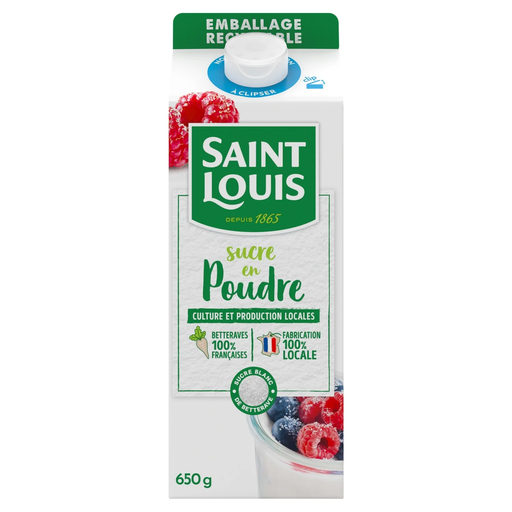
Why It Stands Out This icing sugar stands out for its exceptionally well-designed packaging. The rigid box is easy to store, and its precision pouring spout allows for clean, controlled dispensing. No more sugar spilt all over your worktop! Its fine, free-flowing texture makes it highly versatile.
Pros
Who Is It For? For home bakers who value convenience and cleanliness. It's an excellent staple to always have in your cupboard for regular use, from simple decorative dusting to incorporating into batters.
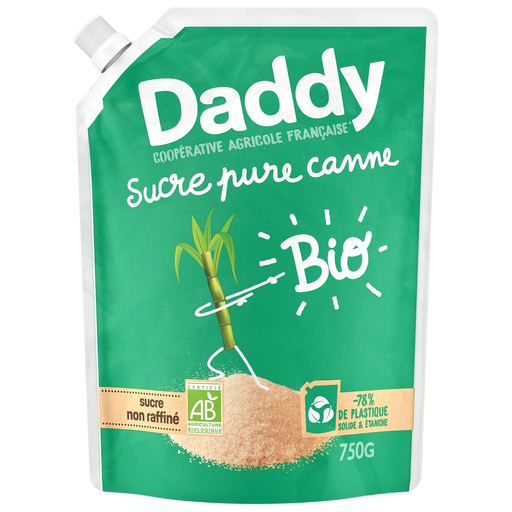
Why It Stands Out This product aligns with the trend towards more natural ingredients. It is an unrefined organic cane sugar, which retains its original aromas and some of its nutrients. Its kraft paper packaging is another plus, reflecting a commitment to reducing plastic.
Pros
Who Is It For? For consumers who are conscious about the quality of their food and their environmental impact. It is perfect for those looking for a sugar for cakes with more character and a touch of authenticity.
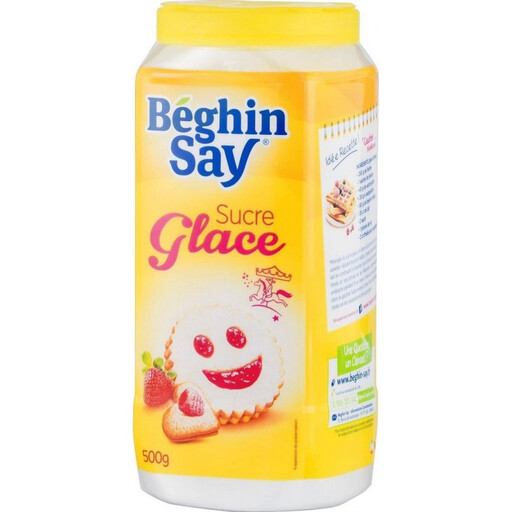
Why It Stands Out The unique feature of this icing sugar lies in its composition: 97% sugar and 3% cornflour. This addition is significant: the cornflour acts as a highly effective anti-caking agent, guaranteeing an extra-fine, lump-free powder. It's the key to achieving smooth, professional finishes.
Pros
Who Is It For? For baking enthusiasts who aim for perfection. If you regularly make royal icing, buttercreams, or fine decorations, this product is an indispensable ally for a flawless result.
Our selection highlights a few flagship products, but the world of sugar is much broader. To discover other sizes, speciality sugars, or different packaging, explore our full category.
? Discover Our Full Range of Icing Sugar
Granulated sugar (or caster sugar) is made of sugar crystals. Icing sugar, on the other hand, is granulated sugar that has been ground into a very fine powder. Its impalpable texture allows it to dissolve instantly and create smooth mixtures, making it essential for icings and certain creams.
Yes, it is technically possible to blend granulated sugar in a high-powered blender until you get a fine powder. However, the result may not have the same fineness as a commercial product. Furthermore, industrial icing sugars often contain an anti-caking agent (like cornflour) that prevents clumping and improves the stability of icings.
To prevent sugar from hardening or clumping, it is essential to store it in a dry place, away from moisture. The best practice is to transfer it to an airtight container after opening. A stable room temperature, away from heat sources like the oven or hob, is also recommended.