
Livraison le jour même ou le lendemain

Qualité garantie

Débloquez vos offres de bienvenue: Livraison GRATUITE | Jusqu'à -80 % | 30 jours d'essai gratuits à JoyPlus
Téléchargez l'application
When you're standing in the condiment aisle, choosing a soy sauce can quickly become a headache. Japanese or Chinese? Low-sodium, but still flavourful? And what does "naturally brewed" really mean? As the head of the Product Recommendations section at Joybuy, my mission is to help you make sense of it all.
This guide is here to decipher the labels and point you toward the soy sauce that will elevate your cooking, whether you're a sushi aficionado, a marinade master, or simply looking for the perfect seasoning for your everyday meals.
Before diving into our selection, let's review a few essential criteria for choosing a soy sauce that won't disappoint.
The origin of a soy sauce largely determines its taste and its culinary use.
The golden rule: a short ingredient list is (almost) always a sign of quality. A traditional, natural soy sauce should only contain four or five ingredients: water, soybeans, wheat (sometimes replaced or absent), salt, and possibly a hint of sugar.
Steer clear of long lists that mention colourings (like caramel E150), preservatives, or flavour enhancers (monosodium glutamate or MSG). An additive-free soy sauce from natural fermentation releases a far superior aromatic complexity (the famous umami) without any artificial help.
For daily use or if you're watching your salt intake, low-sodium soy sauce is an excellent alternative. Thanks to advanced manufacturing processes, some producers manage to reduce the salt content by 30% to 40% while preserving the essential umami flavour. It's an ideal compromise for healthier seasoning without sacrificing taste.
After scouring the market, our editorial team has selected three gems. Each one meets a specific need and showcases, in its own way, the richness of the soy sauce world.
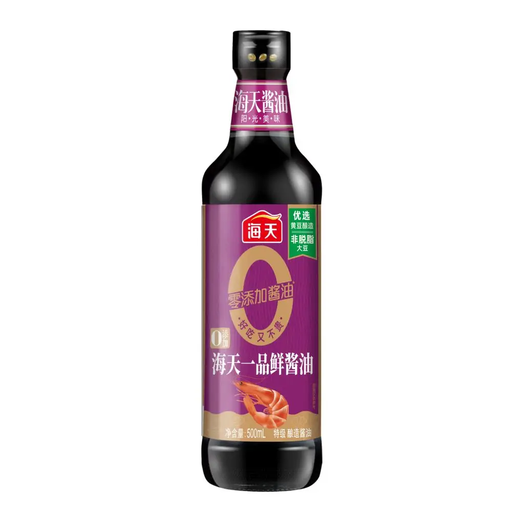
Why it stands out: This Chinese soy sauce stands out for its purity. Its "zero additives" promise guarantees an authentic taste experience that relies solely on the quality of its ingredients. Its natural fermentation process and high soybean content (27%) give it a rich and deep umami.
Key strengths:
Who is it for? For discerning cooks who want a pure, traditional product. It's the choice for those who like to control the ingredients in their dishes and rediscover the true taste of a soy sauce with character.
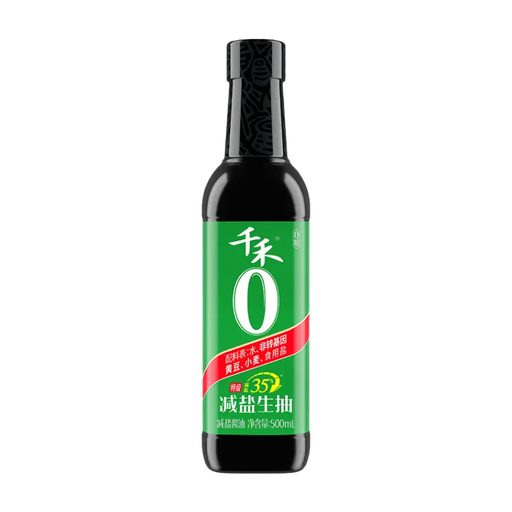
Why it stands out: Qian He rises to the challenge of a low-sodium soy sauce that doesn't sacrifice flavour. With 35% less salt than a classic version, it's aimed at anyone mindful of their health. The brand relies on a simple ingredient list (water, non-GMO soy, wheat, salt, sugar) and cutting-edge technology that preserves the umami.
Key strengths:
Who is it for? Ideal for families and anyone watching their salt intake. Highly versatile, it's perfect for woks, vinaigrettes, and light marinades.
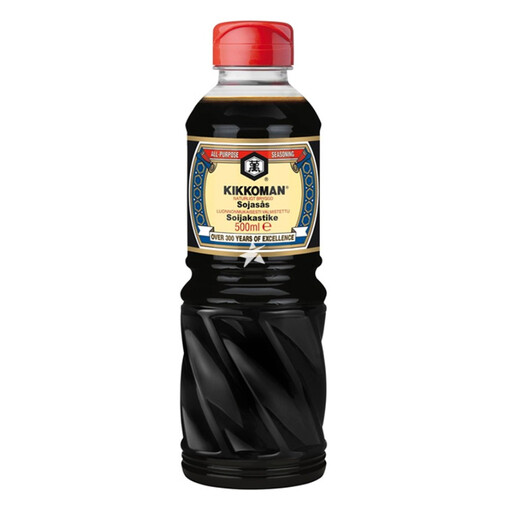
Why it stands out: Kikkoman is THE global benchmark, and its traditional Japanese soy sauce is a timeless classic. Naturally brewed according to a time-honoured recipe with just four ingredients (water, soybeans, wheat, salt), it strikes a perfect balance between salty, sweet, and umami.
Key strengths:
Who is it for? For anyone looking for a safe bet or a first high-quality soy sauce. It's the do-it-all bottle you absolutely must have in your cupboard to never go wrong.
Our selection highlights three distinct soy sauce profiles, but the world of Asian condiments is an endless treasure. If you want to explore other brands, different sizes, or more specific sauces (dark, sweet, gluten-free tamari), feel free to browse our complete catalogue.
? Discover our full range of 500ml soy sauces
Light soy sauce is thinner, saltier, and lighter in colour. It's mainly used for seasoning at the end of cooking (in stir-fries, soups) without adding too much colour to the dish. Dark soy sauce, on the other hand, is aged longer, often with added molasses or caramel. It's thicker, less salty, and obviously darker, used to give a beautiful amber colour and a deep flavour to stews, braised meats, and marinades.
Before opening, a bottle of soy sauce should be kept in a cool, dry cupboard, away from light. Once opened, it is strongly recommended to store it in the refrigerator. The cold is your best friend for preserving its aromas and freshness and slowing down the oxidation that could alter its taste.
Absolutely, but you need to keep their different characteristics in mind. A Japanese soy sauce will bring a milder, more aromatic touch to a Chinese dish. Conversely, a light Chinese soy sauce in a Japanese recipe will yield a bolder, saltier result. The key is to taste and adjust the quantities accordingly.