
Livraison le jour même ou le lendemain

Qualité garantie

Débloquez vos offres de bienvenue: Livraison GRATUITE | Jusqu'à -80 % | 30 jours d'essai gratuits à JoyPlus
Téléchargez l'application
An essential in Asian cuisine and beyond, soy sauce comes in a countless variety of bottles. Light or dark? Japanese or Chinese? Salty or low-sodium? It's hard to know where to start. Yet, each bottle holds a unique flavour profile, intended for very specific uses.
As product selection experts, our mission is to help you navigate the options. This guide is here to provide everything you need to choose the perfect soy sauce for your marinades, stir-fries, sushi, or even for creating a homemade seafood sauce.
To ensure you never pick the wrong bottle at the supermarket again, here are the criteria you need to know.
This is the most important distinction.
Whether Japanese or Chinese, each country has its own recipe and distinct character.
Whether for daily use or for health reasons, the sodium question is key. The good news is that many brands offer a low-sodium soy sauce. Their secret? A special process removes some of the salt after natural fermentation, preserving the essential aromas. It's the ideal compromise for limiting your sodium intake without sacrificing flavour.
We have selected three essential recommendations, each meeting a specific need.
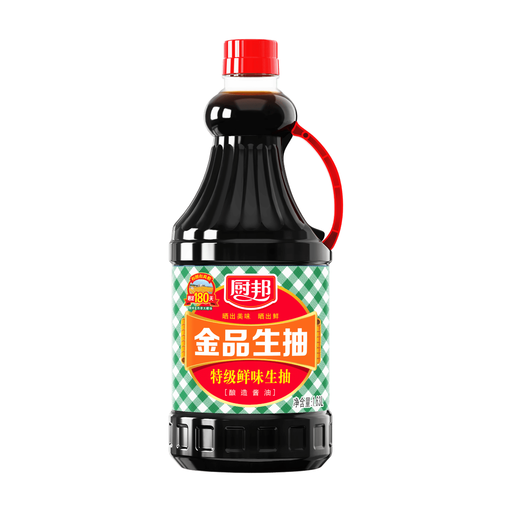
Why We Love It
A great classic of Chinese cuisine. The key advantage of this Chubang light soy sauce? Its ultra-generous 1.63 L size, which offers unbeatable value for money for family or heavy use. Made from whole soybeans, it delivers a bold, authentic umami flavour, perfect as an everyday staple.
The Pros
Who is it for? For anyone who cooks Asian food daily and is looking for a reliable and very budget-friendly staple.
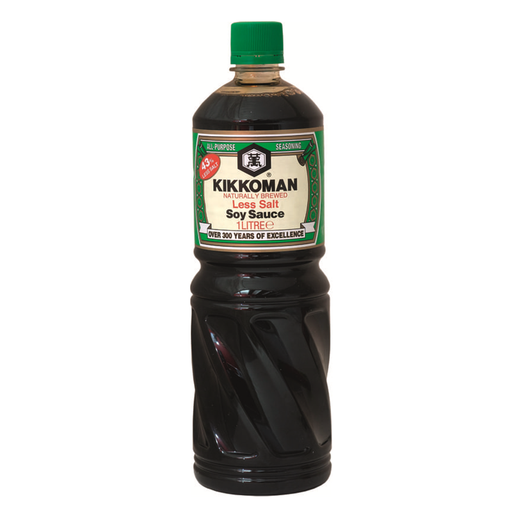
Why We Love It
Kikkoman needs no introduction—it's the global benchmark for Japanese soy sauce. This reduced-sodium version is a remarkable achievement: after natural fermentation, a unique process removes some of the salt while preserving the rich aroma and sweetness that are the brand's signature. The salt profile is therefore much more moderate (9.1 g of salt per 100 ml).
The Pros
Who is it for? For lovers of sushi, sashimi, and delicate flavours who want to control their salt intake without sacrificing taste.
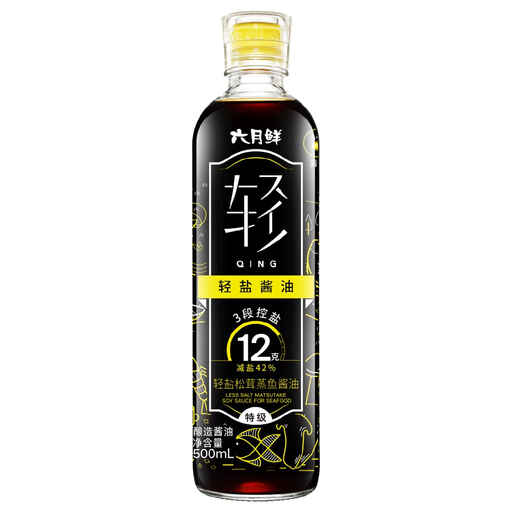
Why We Love It
This is a speciality sauce, a true gem designed to elevate seafood. Its secret? An infusion of matsutake mushroom, a rare and prized ingredient known for its woody aroma that amplifies umami. A touch of lemon juice freshens the profile and softens briny notes. It's a low-sodium soy sauce, with 42% less salt than the brand's classic version.
The Pros
Who is it for? For discerning foodies who want to enhance steamed fish, shellfish, or crustaceans with a refined and ready-to-use seafood sauce.
Our selection is just a taste of the vast universe of soy sauce. If you are particularly interested in low-sodium versions, we have gathered other recommendations for you.
? Discover our selection of reduced-sodium soy sauces
Light soy sauce is thin and very salty: it's used for seasoning and dipping (sushi, spring rolls, etc.). Dark soy sauce is thicker, sweeter, and more colourful: it's perfect for glazing meats and adding a rich colour to stews.
To preserve all its aromas, store your bottle in the refrigerator once opened, with the cap tightly closed. This will protect it from oxidation and ensure its freshness.
While there are no strict rules, it is highly recommended to opt for a Japanese soy sauce (like shoyu). Being sweeter and more nuanced, it complements raw fish and vinegared rice without overpowering their delicate flavours. A low-sodium version like Kikkoman's is an excellent choice to avoid overwhelming the palate.