Soy sauce is a staple of Asian cuisine, but choosing the right bottle at the supermarket can be a daunting task. Salty, sweet, low-sodium, gluten-free tamari… Faced with an ever-expanding shelf, how do you navigate the options and make the right choice for your dishes?
As the editorial team's product expert, my mission is simple: to guide you. Forget the marketing jargon; this guide is designed to give you straightforward advice for choosing the soy sauce that's perfectly suited to your recipes and dietary needs.
Essential Criteria for Choosing Your Soy Sauce
Before we get to our top picks, here are the three key factors to check to ensure you make the right choice.
1. Intended Use: Which Dish?
This is the starting point: what will you be using it for?
- For sushi and sashimi: Opt for a sushi-specific soy sauce, which is often milder and less salty so it won't overpower the delicate flavour of the fish.
- For marinades and glazes: A sweet soy sauce or a robust classic version will be perfect for caramelising meats and vegetables.
- For everyday seasoning: A classic salted soy sauce, also known as shoyu, is an excellent all-purpose Asian seasoning for stir-fries, soups, or to liven up a simple bowl of rice.
2. Nutritional Profile: Low-Sodium or Gluten-Free?
A non-negotiable factor if you're following a specific diet.
- Low-sodium soy sauce: If you're watching your salt intake, many brands offer reduced-sodium versions without sacrificing flavour.
- Gluten-free soy sauce: Most traditional soy sauces contain wheat. If you have an intolerance, you must opt for a tamari sauce. It is brewed exclusively from soybeans, giving it a richer, denser flavour.
3. The Production Process: Natural Fermentation
The "naturally brewed" label is a true hallmark of quality. This traditional process develops complex aromas and a deep umami flavour, unlike industrial sauces produced by chemical hydrolysis, which often have a flat, artificial taste.
Our Recommended Soy Sauces
Here are the products that caught our eye, each excelling in its category.
Kikkoman Soy Sauce for Sushi & Sashimi
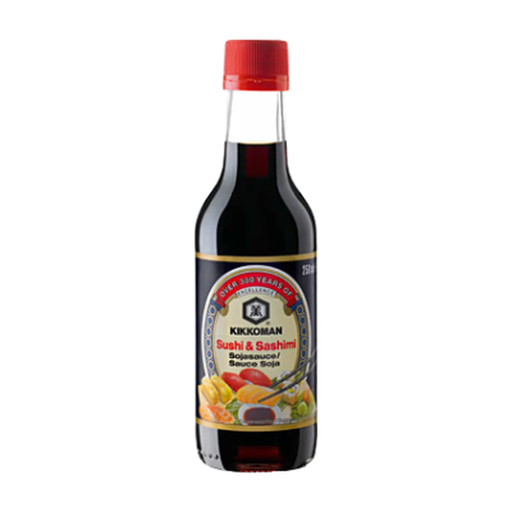
- Its specialty: Tailor-made for seafood, this sauce is milder and slightly sweeter than the classic version. Its flavour profile is designed to enhance raw fish without ever overpowering it.
- Highlights:
- Perfect balance of salty and sweet.
- Smooth texture, ideal for dipping.
- Renowned Kikkoman-quality brewing.
- Who is it for?: Die-hard fans of homemade sushi, maki, and sashimi looking for an authentic yet delicate dipping sauce.
Healthy Boy Less Sodium Soy Sauce
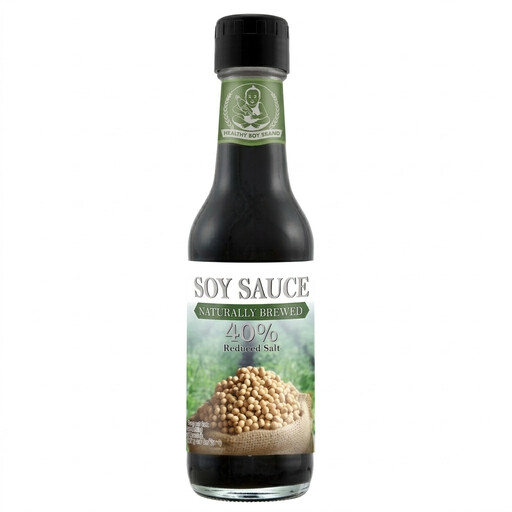
- Its specialty: An excellent alternative for reducing your sodium intake. The Healthy Boy brand promises 40% less salt than the original version, without compromising on taste.
- Highlights:
- Controlled sodium content.
- Authentic flavour preserved.
- Very versatile: marinades, stir-fries, dressings.
- Who is it for?: Those who are health-conscious or on a low-sodium diet but refuse to compromise on flavour.
Kikkoman Gluten-Free Tamari Sauce
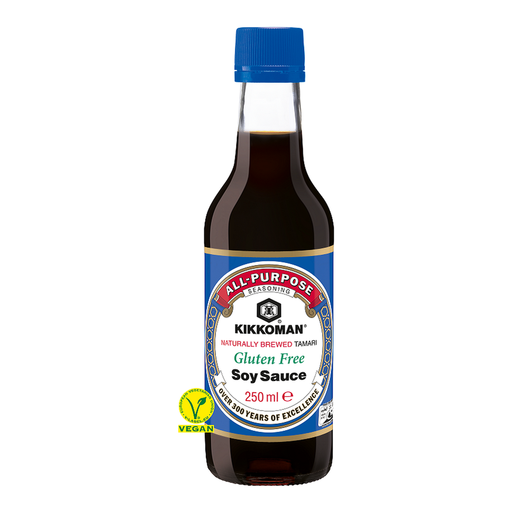
- Its specialty: This is a quintessential tamari sauce, brewed without wheat and therefore compatible with a gluten-free diet. Its flavour, which is rounder and deeper than classic shoyu, is also perceived as less aggressively salty.
- Highlights:
- Certified gluten-free.
- Rich and complex umami flavour.
- Excellent for both cooking and as a finishing touch.
- Who is it for?: A must-have for those with gluten intolerance (celiac disease), but also a solid choice for foodies who appreciate its more assertive character.
Kikkoman Classic Soy Sauce
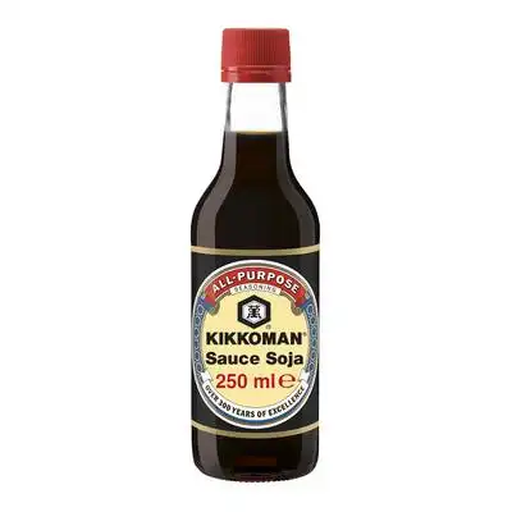
- Its specialty: The Swiss Army knife of soy sauces, the absolute benchmark. Naturally brewed from four simple ingredients (water, soybeans, wheat, salt), it offers a time-tested, world-renowned flavour balance.
- Highlights:
- Extremely versatile: perfect for cooking and as a table sauce.
- A balanced and instantly recognisable flavour profile.
- A pantry essential for anyone venturing into Asian cooking.
- Who is it for?: For anyone who wants a single bottle that can do it all, or close to it. It's the foundation, the ultimate go-to.
Want to Explore Other Flavours?
Our selection covers the essentials, but the world of Asian condiments is an endless playground. From niche brands and family-size formats to flavoured sauces (mushroom, smoked…), there's something for every palate.
? Discover our full range of 250ml sauces
Frequently Asked Questions
What's the difference between light and dark soy sauce?
Light soy sauce is the most versatile. It's thinner and saltier, used mainly for seasoning. Dark soy sauce, which is aged longer and often has molasses added, is thicker, sweeter, and less salty. Its primary role is to add colour and depth to slow-cooked dishes like stews.
How long does opened soy sauce last?
Once opened, a bottle of soy sauce is best stored in the refrigerator, where it will keep for several months. While its aromas may fade slightly over time, it remains perfectly safe to consume. Refer to the date on the packaging and, as always, use your best judgment.
Can you substitute tamari for soy sauce in a recipe?
Yes, absolutely. Tamari can replace classic soy sauce in a 1:1 ratio in any recipe. Just keep in mind that its slightly richer, less salty taste may subtly alter your dish—often for the better.


