The Asian sauce aisle can be overwhelming. Between classic soy sauce, its sweet counterpart, and reduced-sodium options, it's hard to know where to start. Don't worry: this guide is here to decode the labels and help you choose the soy sauce that will become an essential in your kitchen, without the marketing fluff.
Buyer's Guide: 3 Criteria for Choosing the Right Soy Sauce
Before we get to our top picks, here are the key things to look for to buy the soy sauce that best suits your recipes.
1. Sauce Type: Salty, Sweet, or Complex?
- Classic Soy Sauce (Shoyu-style): This is the most versatile type. Originating from Japan, it's made from soybeans and wheat. Its perfect balance of salt and umami makes it an ideal all-purpose staple, equally at home as a table condiment or as a base for marinades, soups, and stir-fries.
- Sweet Soy Sauce (Kecap Manis): Very popular in Indonesia, kecap manis is a soy sauce generously enriched with palm sugar. Its thicker, almost syrupy texture and its deep, sweet, caramelised flavour make it perfect for glazes, barbecue marinades, or simply drizzling over a bowl of rice for a gourmet touch.
- Tamari Soy Sauce: Often considered the ancestor of Japanese Shoyu, Tamari is traditionally made without wheat (be sure to check the label to confirm). Its flavour is richer, more complex, and slightly less salty than classic soy sauce.
2. Salt Content: A Matter of Taste and Health
For those watching their sodium intake or who simply like to have full control over their seasoning, reduced-sodium soy sauce is an excellent alternative. Manufacturers remove a portion of the salt after fermentation using a special process that preserves as much flavour as possible. It's a great choice for daily use or for delicate recipes where the salt shouldn't be overpowering.
3. The Brewing Method: The Secret of Natural Fermentation
The secret to a great soy sauce? Its brewing method. The best ones are made through natural fermentation, which can last for several months. This slow process is key to developing a complex aromatic profile and a deep umami flavour. Brands like Kikkoman are renowned for their mastery of this traditional method.
Recommended Soy Sauces to Try
We've selected three standout products, each with its own unique character and preferred use.
The Most Indulgent: ABC Sweet Soy Sauce - Kecap Manis
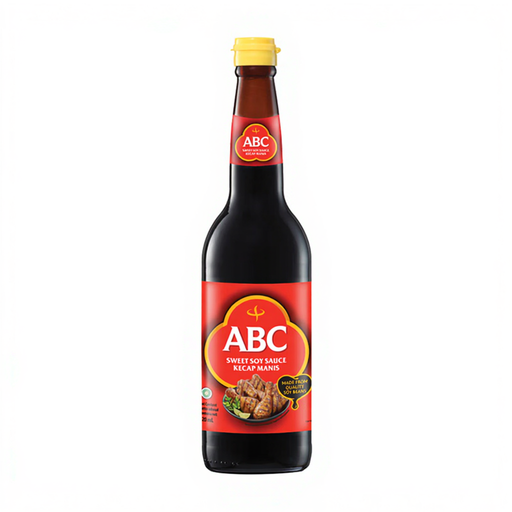
- Why it stands out: This is the quintessential Indonesian kecap manis. Its rich, coating texture and intensely sweet, caramelised flavour make it unique. It's perfect for glazing grilled meats, enhancing a noodle dish, or simply elevating a bowl of white rice.
- Pros:
- Sweet and rich flavour, perfect for marinades and glazes.
- Syrupy texture that coats food perfectly.
- Large 620 ml bottle offers great value.
- Who is it for?: For explorers of Southeast Asian cuisine (Nasi Goreng is calling your name!) and anyone who loves that sweet-and-savoury touch that makes a dish irresistible.
The All-Purpose Staple: Kikkoman Soy Sauce 150ml
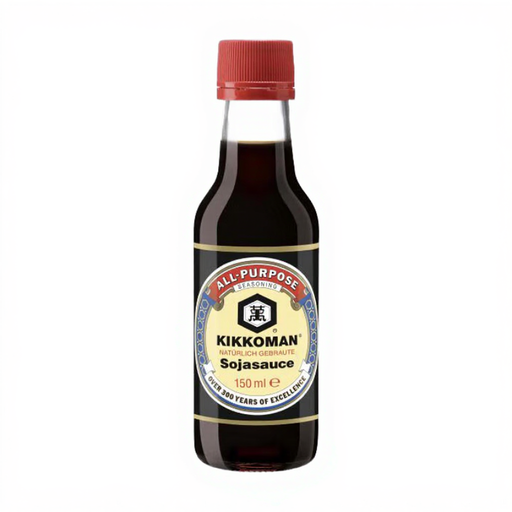
- Why it stands out: Kikkoman Soy Sauce is a global benchmark for a reason. Naturally brewed from just four ingredients (water, soybeans, wheat, salt), it offers a masterful balance of flavours. Its versatility is its greatest strength: it enhances everything from sushi to salad dressings and marinades.
- Pros:
- Rich umami flavour and balanced aromas.
- Traditionally made through natural fermentation.
- Unbeatable versatility, from Asian to fusion cuisine.
- Who is it for?: This is simply the one bottle to always have in your pantry. It's perfect for beginners and seasoned cooks alike who need a reliable, high-quality product for everyday use, both in cooking and at the table.
The Smart, Lighter Option: Kikkoman Reduced Sodium Soy Sauce
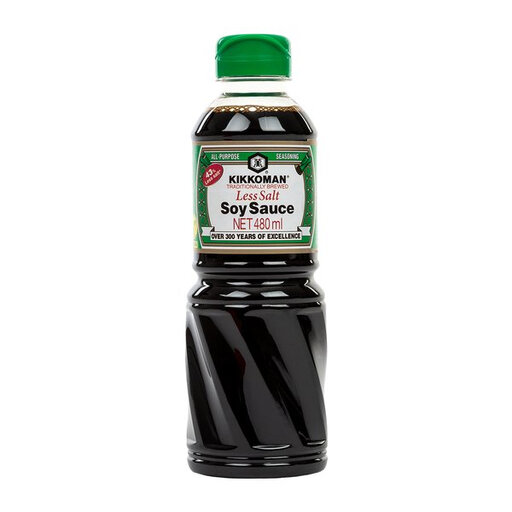
- Why it stands out: Here you get the signature taste of classic Kikkoman, but with 43% less salt. It's made using the same natural fermentation process; some of the salt is simply removed at the end. The result is a sauce that doesn't sacrifice any of its umami flavour for the sake of moderation.
- Pros:
- The authentic Kikkoman taste, with less salt.
- Allows you to perfectly control the saltiness of your dishes.
- Ideal for low-sodium diets.
- Who is it for?: For families, people mindful of their salt intake, and cooks who like to season with precision, without letting the salt take over.
Beyond the Kitchen
Choosing the right ingredients is often part of a broader, more conscious approach to consumption. If this commitment extends beyond your plate, our other selections might interest you.
For example, discover our collection of vegan dresses to combine style with your values. Discover the Collection
Frequently Asked Questions (FAQ)
1. What's the difference between light and dark soy sauce? Light soy sauce is thinner, saltier, and primarily used for seasoning without adding much colour to a dish. Dark soy sauce, on the other hand, is aged longer, often with molasses. It's thicker, less salty, and darker, used to add a deep colour and caramelised flavour, especially in Chinese cooking.
2. Does soy sauce contain gluten? Yes, most Japanese-style soy sauces (Shoyu), like classic Kikkoman, contain wheat. If you have a gluten intolerance, opt for Tamari, which is traditionally made without wheat. A good rule of thumb: always check the ingredient list on the label.
3. How should I store soy sauce after opening it? To best preserve its flavours, store your bottle of soy sauce in the refrigerator once opened. This slows down oxidation and maintains its taste quality for much longer.


