
Livraison le jour même ou le lendemain

Qualité garantie

Débloquez vos offres de bienvenue: Livraison GRATUITE | Jusqu'à -80 % | 30 jours d'essai gratuits à JoyPlus
Téléchargez l'application
Facing the soy sauce aisle, it's easy to feel overwhelmed. Light, dark, mushroom-flavoured, salted, sweet… The options seem endless, and every bottle promises an authentic flavour. However, not all soy sauces are created equal, and more importantly, they aren't used in the same way. A simple mismatch can ruin the colour, taste, or balance of your dish.
This guide is here to help you make sense of it all. As the Head of Product Recommendations at Joybuy, my mission is to decode the labels to steer you toward the smartest choices, tailored to both your recipes and your standards. Together, let's explore the fundamental differences so you can finally buy the soy sauce that will elevate your dishes.
Before we get to our top picks, here are the essential criteria to keep in mind to make the right choice.
This is the most important distinction, the one that determines everything else.
The quality of a soy sauce often comes down to the simplicity of its recipe. A short ingredient list is an excellent sign. Traditional sauces contain only four basic ingredients?: soybeans, wheat, water, and salt.
The trend is toward "clean labels." An additive-free soy sauce guarantees the absence of preservatives (like sodium benzoate), flavour enhancers (especially MSG), or artificial colours. The choice of non-GMO soybeans has also become a deciding factor for many consumers.
Most traditional soy sauces, including Chinese soy sauce, contain wheat, which is roasted and fermented with the soybeans. For people with gluten intolerance or sensitivity, it's crucial to opt for a gluten-free soy sauce. These alternatives replace wheat with rice or are brewed with 100% soybeans (as is the case with Japanese tamari). In any case, always check for the "gluten-free" logo on the packaging.
Here are our recommendations, chosen for their quality, flavour profile, and suitability for different uses.
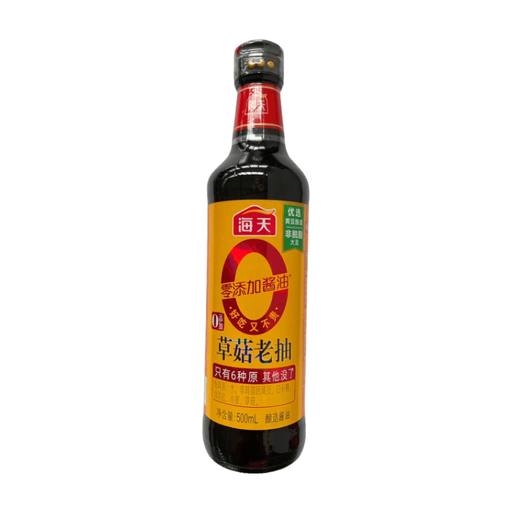
What sets it apart
Designed for slow cooking, this dark soy sauce from Haday stands out for its "0% additives" formula?: no preservatives, artificial colours, or flavour enhancers. Its intense colour comes from natural fermentation, not added caramel. The finishing touch?? A straw mushroom extract that adds an earthy note and extra umami complexity.
Key Strengths
Who is it for??
For fans of Asian slow-cooked dishes who want a rich colour and deep flavour without compromising on a clean ingredient list.
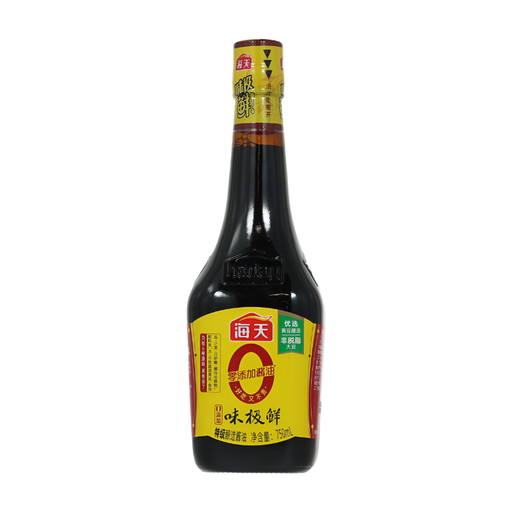
What sets it apart
This light soy sauce is a high-end benchmark for versatile use. Its secret?? A high amino acid nitrogen content (≥1.1g/100ml), a mark of superior quality that translates to a much more intense umami flavour. With only six natural ingredients, it's guaranteed to be free of added preservatives and sweeteners.
Key Strengths
Who is it for??
For those who want an everyday light soy sauce but won't compromise on flavour intensity and quality ingredients. Ideal as a finishing touch on a dish or for dipping sauces with a punch.
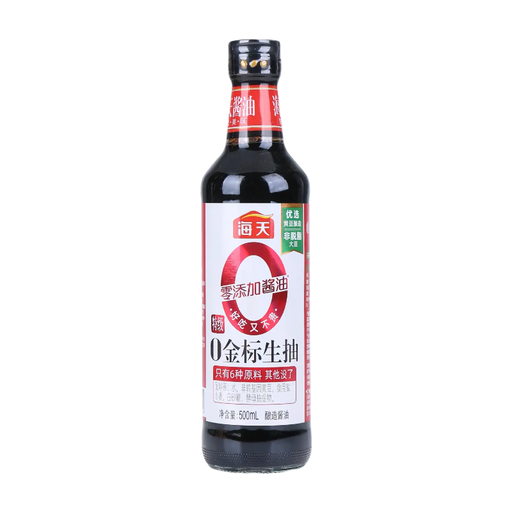
What sets it apart
This is the classic light soy sauce from Haday, a true kitchen staple. Its amber colour and perfectly balanced umami flavour make it a remarkably effective all-rounder. Made from non-GMO soybeans, it's equally well-suited for cooking, marinades, or dipping sauces.
Key Strengths
Who is it for??
For anyone looking for a reliable and versatile light soy sauce that fits perfectly into any recipe. It's the ideal starting point for getting into Asian cooking without missing a beat.
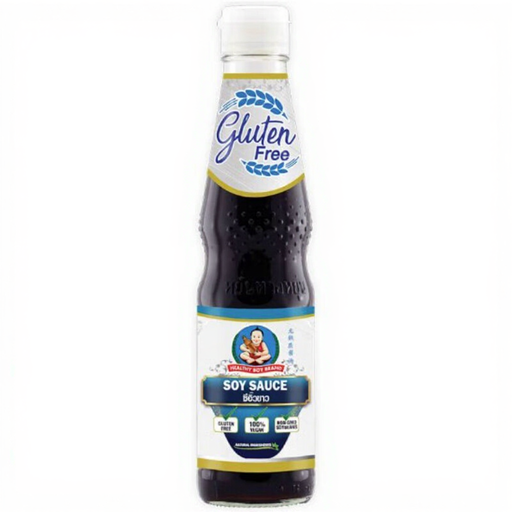
What sets it apart
This sauce meets a very specific need?: a gluten-free version. Unlike traditional recipes, it is naturally fermented from soybeans and rice, which takes wheat out of the equation. It retains a savoury aroma and taste that make it just as effective for cooking, marinades, or frying.
Key Strengths
Who is it for??
A must-have for anyone on a gluten-free diet who refuses to give up on the umami flavour of soy sauce.
Our selection focuses on the most common uses, but the world of Asian condiments is vast. If you're looking for other types of sauces, sesame oils, rice vinegars, or chilli pastes, feel free to explore our complete category.
Discover Our Full Range of Plant-Based Seasonings
Before opening, a bottle of soy sauce should be kept in a cool, dry cupboard, away from light. Once opened, it is highly recommended to store it in the refrigerator with the cap tightly closed to preserve its full flavour and freshness.
Although the basic ingredients are similar, the styles differ. Chinese soy sauce is generally saltier and more direct in flavour. Japanese soy sauce (shoyu), on the other hand, is often brewed with more wheat, giving it a sweeter, more nuanced flavour. Tamari, another Japanese specialty, is made with very little or no wheat, making it a naturally gluten-free-friendly option.
In theory, yes, but the result will be completely different. Using a light sauce instead of a dark one will leave your dish lacking that beautiful amber colour and will likely make it saltier. Conversely, using a dark sauce instead of a light one will heavily colour your dish and give it a sweeter, less salty taste than intended. It's best to stick to each sauce's intended use.