
Livraison le jour même ou le lendemain

Qualité garantie

Débloquez vos offres de bienvenue: Livraison GRATUITE | Jusqu'à -80 % | 30 jours d'essai gratuits à JoyPlus
Téléchargez l'application
Faced with a wall of soy sauces at the supermarket, making a choice can be overwhelming. Light, dark, low-sodium, sushi-specific... How do you navigate the options and find the one that will truly take your recipes to the next level? Whether you're an expert in Asian cuisine or just looking for a universal flavour enhancer, there's a perfect soy sauce out there for you.
I'm Joybuy's product expert, and my mission is simple: to help you see things more clearly. This guide demystifies the world of soy sauce and offers a tested and approved selection, without the marketing jargon.
Before you dive in, here are a few key points to guide you toward the product that best suits your needs.
The production method is crucial for flavour complexity. A traditional Japanese soy sauce, like the famous Kikkoman soy sauce, is naturally brewed for several months. This slow process, using soybeans, wheat, water, and salt, allows it to develop that rich, deep flavour known as umami. In contrast, sauces produced through chemical hydrolysis are quicker to make, but their taste is often simpler, even one-dimensional. For a truly rich palate, a naturally brewed sauce is a guarantee of quality.
This is the most important distinction in cooking:
For those watching their salt intake, many brands offer their classic products in a low-sodium soy sauce version. Thanks to a special post-fermentation process, a portion of the salt is removed while preserving the essential flavours. It's the perfect alternative for daily use—all the taste, with less salt.
To help you find the perfect bottle, here are our top picks, chosen for their versatility and quality.
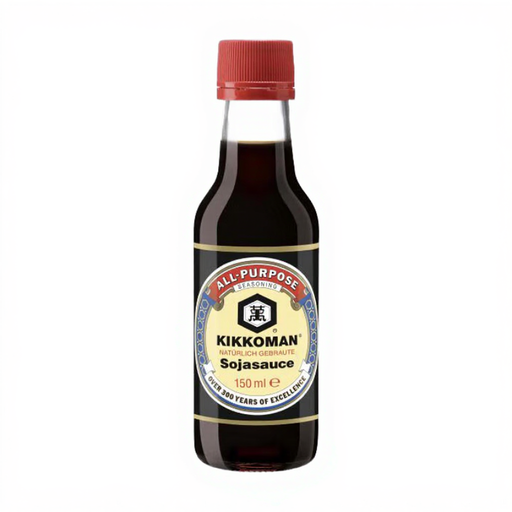
Why we love it Kikkoman is THE global benchmark. Its traditional recipe and 100% natural brewing process are a guarantee of quality. With just four ingredients, it delivers an authentic umami taste and works with everything, far beyond just Asian cuisine.
Highlights
Who is it for? For those who want just one bottle in their cupboard, but the very best one. It adapts to all recipes, from sushi to burgers to salad dressings. Simply an essential.
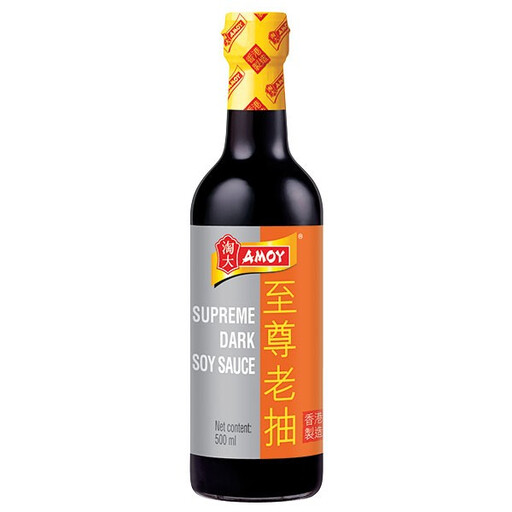
Why we love it This dark soy sauce is the perfect partner for slow cooking. Its rich texture and intense colour are ideal for glazing meats, caramelising a wok stir-fry, or creating the perfect marinade.
Highlights
Who is it for? For fans of braised dishes, barbecue marinades, or wok stir-fries who want to achieve that beautiful amber colour and a powerful taste.
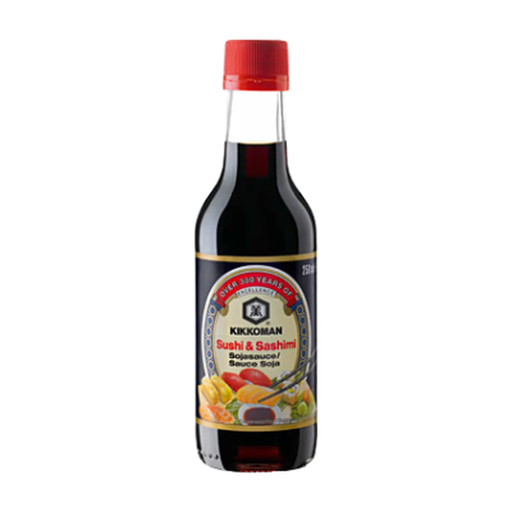
Why we love it You don't just dip your sushi in any old sauce! This version, specially designed for raw fish, is milder and a touch sweeter than classic soy sauce. The goal: to complement the delicate flavour of the fish without ever overpowering it.
Highlights
Who is it for? For all Japanese cuisine enthusiasts who want to recreate that authentic restaurant taste at home for their sushi nights.
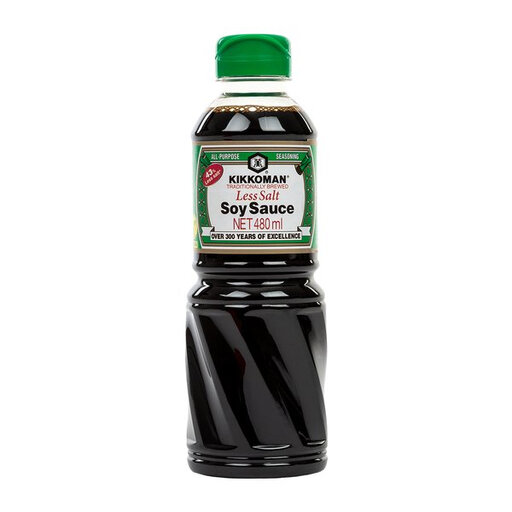
Why we love it The best of both worlds: the complex, authentic taste of classic Kikkoman, but with significantly less salt. It's made using the same natural brewing process, with the salt removed afterwards to preserve the flavours.
Highlights
Who is it for? Ideal for people monitoring their salt intake, for family meals, or simply for those who like to have perfect control over the seasoning of their dishes.
Our selection covers the most common needs, but the world of soy sauce is vast. If you're looking for more specific varieties like tamari (which is gluten-free as it contains no wheat) or are searching for different sizes, feel free to explore our complete soy sauce collection to find your hidden gem.
1. What's the difference between salty and sweet soy sauce? "Salty soy sauce" is a common name for classic light soy sauce, the foundation of all seasoning. "Sweet soy sauce," on the other hand, is a thicker, more syrupy variant (like Indonesian Kecap Manis) to which sugar has been added. It's typically used as a finishing sauce, for glazing grilled meats, or to create a sweet-and-savoury effect.
2. Can you use dark soy sauce for sushi? That's a very bad idea. Dark soy sauce is far too powerful in taste and colour. It would completely mask the delicate flavour of the raw fish. For sushi, stick to a dedicated sushi soy sauce or, failing that, a classic light soy sauce.
3. How should I store soy sauce after opening it? Once the bottle is open, it belongs in the refrigerator! Keep it tightly sealed in the fridge to preserve all its flavours and prevent oxidation. This will keep it fresh for much longer.