
Livraison le jour même ou le lendemain

Qualité garantie

Débloquez vos offres de bienvenue: Livraison GRATUITE | Jusqu'à -80 % | 30 jours d'essai gratuits à JoyPlus
Téléchargez l'application
By the Joybuy Editorial Team, July 14, 2026
Standing in the Asian condiment aisle, choosing a bottle of soy sauce can quickly become overwhelming. Salty, sweet, light, dark, for sushi or for marinades… The options are so numerous that it's easy to get lost. This guide is here to provide clear benchmarks and help you buy the right soy sauce to elevate your recipes, without getting lost in marketing jargon.
To make the right choice, consider three criteria: the type of sauce, its culinary use, and its flavor profile.
Most of the sauces found in Western supermarkets are Japanese soy sauces, known as shoyu. They come in several varieties:
How you plan to use it is a key factor.
Beyond traditional soy sauce, there are flavored variations that open up new culinary possibilities. The best-known is ponzu sauce, a citrus-based soy sauce (most often with yuzu or sudachi). Lighter and more acidic, it's perfect for dressings, fish carpaccios, or as a dipping sauce for Japanese hot pots (shabu-shabu).
To guide you, here are three products we've selected, each tailored to a specific need.
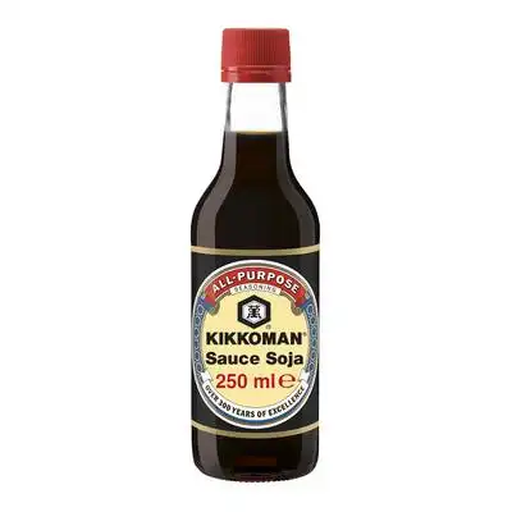
Why we love itKikkoman soy sauce is THE global benchmark, renowned for its natural brewing process that gives it a complex aroma and a perfectly balanced flavor. It is the archetype of the all-purpose koikuchi sauce.
Key features
Who is it for? This is the ideal choice for those who want a single, do-it-all bottle. From beginners in Asian cooking to seasoned chefs in need of a reliable and essential base ingredient.
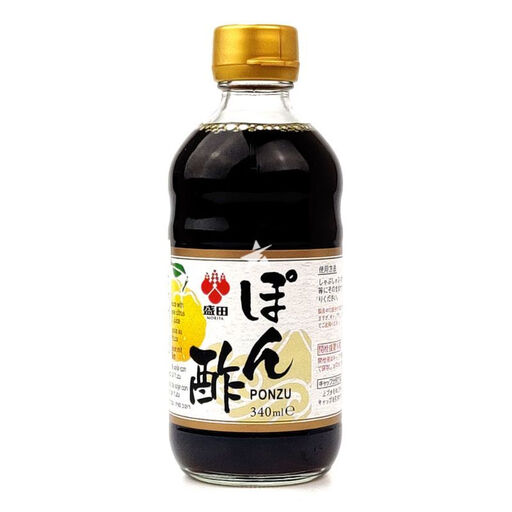
Why we love it This sauce combines a soy sauce base with yuzu and yuko juice, two Japanese citrus fruits. The result is a vibrant and refreshing ponzu sauce, less dense than a classic soy sauce.
Key features
Who is it for? For curious foodies looking to explore new flavors and add a touch of acidity to their dishes. A must-have for fish and seafood lovers.
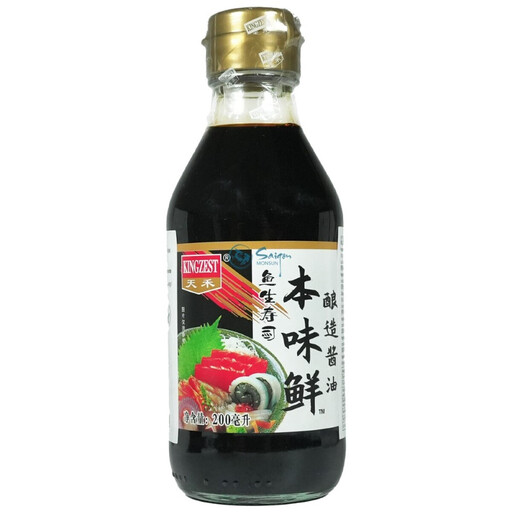
Why we love it As its name suggests, this sushi soy sauce is specifically designed to accompany raw fish. Its recipe is adjusted to enhance the delicate flavor of sushi and sashimi without ever dominating it.
Key features
Who is it for? Essential for those who regularly prepare homemade sushi, maki, and sashimi and demand a sauce that respects the quality of their ingredients.
Asian cuisine is an infinite universe of taste. If your recipe calls for a different flavor or you're simply in a curious mood, our selection doesn't stop here. To discover other condiments like teriyaki sauce, rice vinegar, or miso paste, explore our full range.
Discover All Our Japanese Sauces
Light soy sauce (usukuchi) is thinner and, paradoxically, often saltier. It's used to season without coloring dishes. Dark soy sauce (koikuchi) is the most common type. It's thicker and darker, with a more well-rounded and versatile flavor suitable for most uses.
Before opening, a bottle can be stored in a cupboard, away from light and heat. Once opened, it must be kept in the refrigerator. This protects it from oxidation and preserves its flavors for much longer.
Absolutely, especially with an all-purpose sauce like Kikkoman. However, a dedicated sushi sauce will offer a more refined and appropriate taste experience. It's generally less salty and milder so as not to overpower the subtle flavor of raw fish. It's all a matter of preference and finding the perfect balance.