
Livraison le jour même ou le lendemain

Qualité garantie

Débloquez vos offres de bienvenue: Livraison GRATUITE | Jusqu'à -80 % | 30 jours d'essai gratuits à JoyPlus
Téléchargez l'application
An essential ingredient in Asian cuisine and beyond, soy sauce comes in a multitude of varieties. Light, dark, sweet, low-sodium… It can be hard to navigate the options on the shelf. So, how do you choose the one that will elevate your dishes, from a simple dipping sauce for your gyoza to a complex marinade?
Our mission, as product experts at Joybuy, is to help you decode the labels and grasp all the nuances of this world. The goal: to help you buy the right soy sauce online that perfectly matches your tastes and recipes. This guide offers our advice and our top picks, with full transparency.
Before we present our selection, here are a few key points to check to make the right choice.
The quality of a soy sauce lies in its production method. Traditional sauces are the result of a natural fermentation of soybeans and wheat, a slow process that can take several months. This maturation is what develops the complexity of the aromas and that famous umami taste.
In contrast, industrial sauces are often produced through chemical hydrolysis, a rapid process that involves adding colorings, flavor enhancers, and preservatives. For an authentic taste experience, opt for a soy sauce with no additives and the shortest, clearest ingredient list possible: water, soybeans, wheat, and salt. That's it.
Don't just go by their names; their uses are quite distinct.
By nature, soy sauce is a salty condiment. For those monitoring their sodium intake or who prefer a milder taste, there are excellent low-sodium soy sauce alternatives. These versions allow you to enjoy the umami flavor with reduced salt content, making them perfect partners for daily use.
Here are our recommendations, chosen for the quality of their ingredients and their versatility in the kitchen.
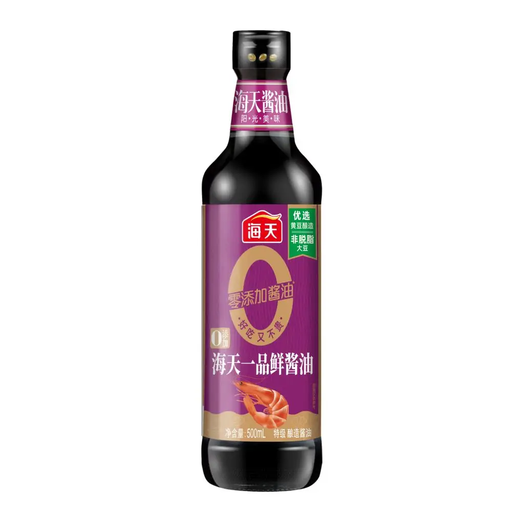
Why we love it: This soy sauce is all about purity. Its zero-additive promise guarantees an authentic flavor derived solely from basic ingredients, with no preservatives, artificial colors, or flavor enhancers.
Key features:
Who is it for? For purists seeking a soy sauce with no additives that delivers a clean, authentic taste. It's the perfect everyday sauce for everything from woks to marinades.
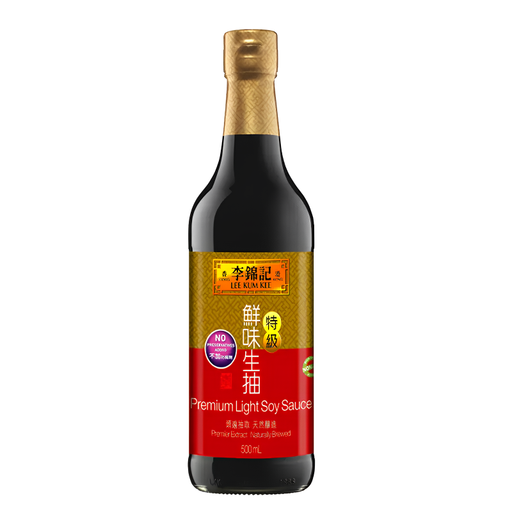
Why we love it: As an iconic brand with over a century of expertise, Lee Kum Kee is a true institution. This premium light soy sauce is an absolute benchmark, praised for its consistent quality and perfectly balanced umami.
Key features:
Who is it for? For anyone looking for a reliable and versatile option. This is THE light soy sauce to always have in your pantry.
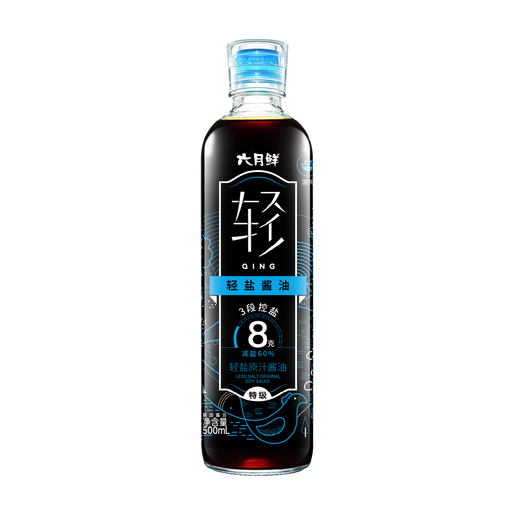
Why we love it: This sauce is the perfect answer for those who want to reduce their salt intake without sacrificing flavor. Naturally fermented for six months, it develops a deep flavor despite its reduced salt content.
Key features:
Who is it for? The smart choice for health-conscious consumers, families, and anyone who wants to manage their salt intake while enjoying a high-quality low-sodium soy sauce.
The world of soy sauce is endless. If our selection doesn't perfectly match your needs or if you're curious to discover other varieties (sweet, gluten-free tamari, etc.), feel free to browse our full range.
Discover Our Full Range of 500ml Sauces
Chinese soy sauce generally contains more soy, giving it a bolder, saltier flavor. The Japanese version (shoyu) incorporates an almost equal amount of wheat, offering a milder, more nuanced taste.
Once the bottle is opened, it belongs in the refrigerator! The cold preserves its freshness, color, and aromas, especially for naturally fermented sauces that do not contain preservatives.
Absolutely! Soy sauce is an ideal base for a marinade. Its enzymes tenderize meat, and its umami flavor deeply infuses the food. For a perfectly balanced marinade, combine it with garlic, ginger, honey, or rice vinegar. Light soy sauce is often preferred to season without darkening the ingredients' color too much.