
Livraison le jour même ou le lendemain

Qualité garantie

Débloquez vos offres de bienvenue: Livraison GRATUITE | Jusqu'à -80 % | 30 jours d'essai gratuits à JoyPlus
Téléchargez l'application
There's nothing like beautiful lighting to enjoy your garden, patio, or balcony after dark and to showcase your plants. But the thought of running miles of cables, calling an electrician, and watching your electricity bill skyrocket can be discouraging. That's where solar garden lighting comes in: an economical, eco-friendly, and, above all, incredibly simple solution to install.
But with an overwhelming number of options, how do you make the right choice? Don't worry. This guide is here to help you see more clearly, with our tips for finding the perfect outdoor solar lamp for your needs and our selection of the must-have products for 2026.
Before you decide on a model, let's review a few essential technical criteria. They will ensure you make a great purchase and get lighting that will stand the test of time (and weather!).
A wireless garden light is, by its nature, exposed to the whims of the weather. The Ingress Protection (IP) rating is the standard that measures its level of resistance. It consists of two digits:
For outdoor use, an IP44 rating is the bare minimum, sufficient to withstand water splashes. But for an installation fully exposed to downpours, or simply for peace of mind, opt for a waterproof solar light certified IP65 or higher.
Your lamp's battery life depends on an inseparable duo: the capacity of its battery (most often Ni-MH) and the efficiency of its solar panel. Ideally, a full day's charge (about 4 to 6 hours of direct sunlight) should provide light for the entire night (8 to 12 hours). Therefore, think strategically about placement: a panel facing south, far from shady areas, will make all the difference.
Solar lights come in different forms, each with its own specialty:
Our editorial team has vetted the models on the market to bring you a selection that checks all the boxes: design, practicality, and reliability.
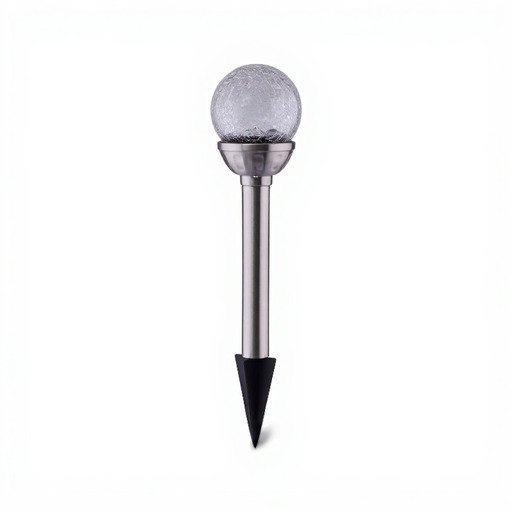
Why it stands out: This Aigostar SolBright G80 stake stands out from the crowd with its changing ambient light (RGB), perfect for creating a custom atmosphere. Its design, which skilfully blends modern lines with a slightly retro touch, makes it a beautiful decorative object, even in broad daylight.
Pros
Who is it for? For anyone who wants to inject a dose of colour and originality into their flowerbeds, pathways, or lawn, with simplicity of installation as the key principle.
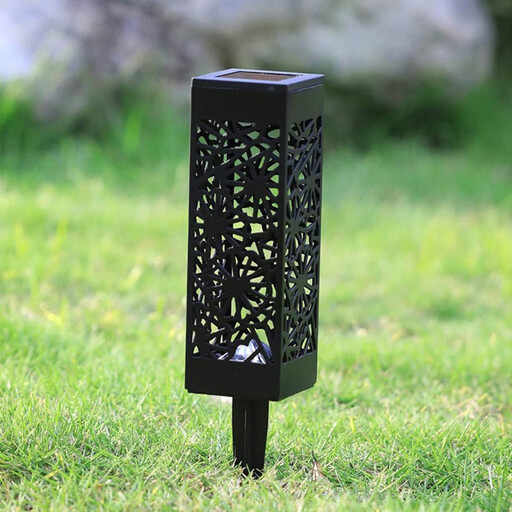
Why it stands out: The strength of these VIVREAL bollard lights is their cutout lampshade. At nightfall, it casts beautiful floral patterns on the ground, transforming a simple path into a charming walkway.
Pros
Who is it for? For those looking for pathway lighting that not only illuminates but also decorates. It's an excellent choice for adding a touch of poetry and elegance to a walkway, patio, or terrace border.
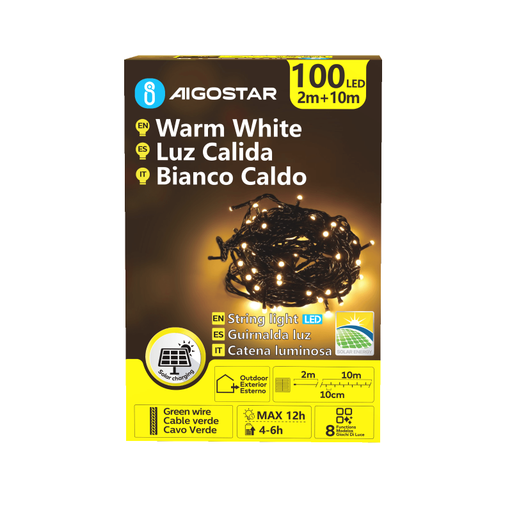
Why it stands out: With its 10-meter length, 100 LEDs, and 8 lighting modes, the Aigostar SunGlow Flat string light is the champion of versatility. It can do it all: create a festive atmosphere with its twinkling mode or a softer one with its steady, calming light.
Pros
Who is it for? For anyone looking for an ultra-flexible and easy-to-install outdoor lighting decoration solution. It's perfect for solar patio lighting, for parties, or simply for adding a little magic to the garden every day.
Our selection highlights versatile products, but your garden is unique. For event decoration, a specific style of pathway lighting, or simply for more options, feel free to explore our full range.
Take a look at our collection of Outdoor Solar Christmas Pathway Lights to get inspired and find the hidden gem that will enhance your outdoor space.
The lifespan of a solar lamp depends on two components. On one hand, the LEDs, which have an exceptional longevity (several tens of thousands of hours). On the other, the rechargeable battery, which is the component that wears out the fastest. Expect a decrease in performance after 1 to 3 years of use (or 600 to 800 charge cycles). Fortunately, on most models, the battery is a standard size (like AA or AAA) and can be replaced in a flash.
Yes, an outdoor solar lamp works even without bright sunshine, but its performance will naturally be reduced. The solar panel captures ambient light, but the charge is much less efficient than in the middle of summer. As a result, the nightly battery life will be shorter. Models equipped with high-efficiency solar panels perform better in these low-light conditions.
Maintenance is virtually non-existent. The only important step is to occasionally clean the surface of the solar panel with a damp cloth to remove dust, pollen, and other debris. A clean panel guarantees a maximum charge. In winter, if you live in a region with heavy frosts, it is advisable to bring the lights indoors to protect their batteries from the extreme cold.