
Livraison le jour même ou le lendemain

Qualité garantie

Débloquez vos offres de bienvenue: Livraison GRATUITE | Jusqu'à -80 % | 30 jours d'essai gratuits à JoyPlus
Téléchargez l'application
In 2026, choosing a smartwatch is a daunting task given the overwhelming number of options. Between health tracking, sports performance, and ecosystem integration, it's hard to know where to start. This guide is here to cut through the noise and help you find THE model that truly fits your lifestyle—all without the indigestible marketing jargon.
Before diving into our selection, let's review the essential criteria to refine your search.
This is the number one, non-negotiable criterion: the watch's compatibility with your smartphone.
Not all watches play in the same league. Identify your primary use case:
There's a world of difference here: battery life ranges from just one day for some models to over a week for the most durable ones. The real question is: are you willing to charge your watch every night, or do you prefer a model that can last several days, especially during a hike or while travelling? Keep in mind that intensive GPS use will drain the battery at lightning speed.
We've selected models that stand out from the crowd and cater to specific needs.
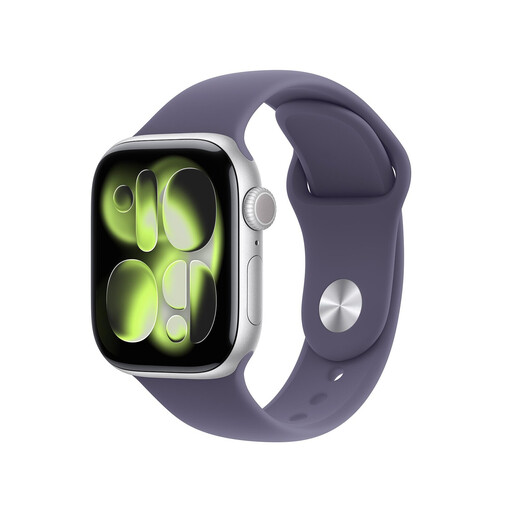
Why we love it: The Apple Watch Series 11 pushes the boundaries of hardware and software integration even further, with a special focus on health. With features like hypertension notifications and advanced sleep analysis, it establishes itself as a true wellness coach on your wrist, without sacrificing its communication functions.
Key features:
Who is it for? The obvious choice for iPhone owners who want the pinnacle of health and connected features, all in an impeccably designed package.
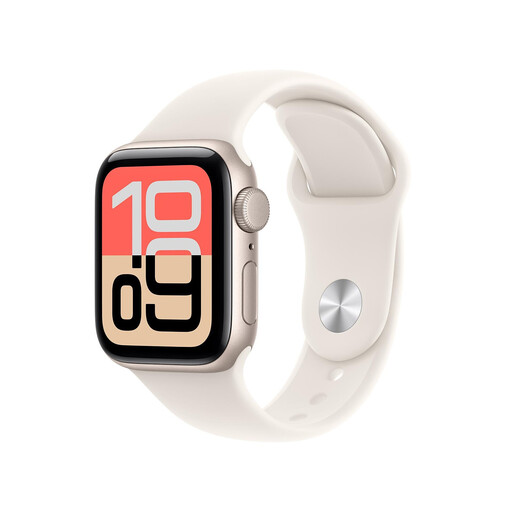
Why we love it: The Apple Watch SE 3 is the perfect entry point into the Apple ecosystem. It packs the essential features that made the lineup a success, such as activity tracking and safety alerts, at a more accessible price point.
Key features:
Who is it for? Perfect for a first step into the Apple Watch universe, or for those who prioritise communication, activity tracking, and safety, without needing the most advanced health sensors.
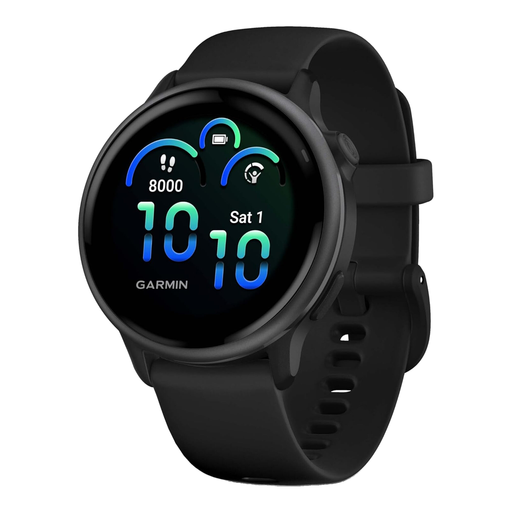
Why we love it: The Garmin vívoactive 6 stands out as a formidable alternative, especially for athletes and anyone who demands multi-day battery life. Its dual compatibility with both iPhone and Android makes it a uniquely versatile choice.
Key features:
Who is it for? It's aimed at athletes of all levels, from runners to HIIT enthusiasts, as well as anyone for whom battery life and rich fitness data are paramount. A smart choice to break free from dependency on a single ecosystem.
The world of wearables is constantly evolving. If these models don't check all your boxes, many other options exist. Explore our wider selection of smart devices and accessories to find the device you'll never want to take off.
It's all a matter of philosophy. The Apple Watch is conceived as an extension of the iPhone. It excels at communication, apps, and integration with the Apple ecosystem, while also offering solid health features. Garmin, on the other hand, goes all-in on sports and performance. The brand offers far superior battery life, more advanced training metrics, and full compatibility (iPhone and Android). The choice therefore depends on your priority: a "mini-smartphone" on your wrist or a state-of-the-art sports coach.
Smartwatches provide valuable estimates for tracking the general trends of your well-being and fitness. While features like the ECG have obtained medical certifications in some countries, it is crucial to remember that these watches are not medical devices. The data collected (heart rate, SpO2, etc.) should never be used to self-diagnose or replace a consultation with a healthcare professional.
A cellular (4G/5G) model frees you from your smartphone. You can make calls, send messages, and use the internet without having it with you. This is a real plus for athletes who want to run light, or to ensure you remain reachable in all circumstances. The trade-off is a higher purchase cost and the need for a dedicated plan from your mobile carrier. If your phone is always with you, a GPS-only model will be more than enough.