
Livraison le jour même ou le lendemain

Qualité garantie

Débloquez vos offres de bienvenue: Livraison GRATUITE | Jusqu'à -80 % | 30 jours d'essai gratuits à JoyPlus
Téléchargez l'application
The smartwatch market is crowded and constantly evolving. Between models built for sports, those that focus entirely on health, and others that act as an extension of your smartphone, it's easy to get lost. Our mission: to give you the keys to decode the market and choose the smartwatch that's right for you, without drowning in marketing jargon.
Let's break down the essential selection criteria together before introducing the models set to define 2026.
Before you even start eyeing the latest models, a little self-reflection is in order. Defining your priorities is the first step. Here are three fundamental points to guide you.
This is THE first question, and it's a crucial one: what smartphone do you use? The software ecosystem is the first, and most significant, filter.
Battery life varies dramatically from one model to another. A watch packed with features and a very bright screen will require much more frequent charging.
Modern smartwatches are true wellness coaches. Ask yourself which sensors and features will genuinely be useful to you on a daily basis.
Important reminder: Health data provided by a smartwatch are valuable indicators, but they are not a substitute for a medical diagnosis. For any questions about your health, consult a doctor.
Our editorial team has scrutinised the latest releases and now presents its top picks—models that stand out from the crowd and cater to very different user profiles.
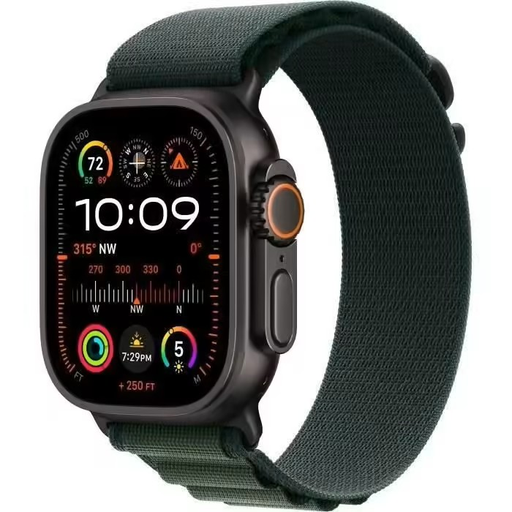
Why it stands out: Built for extreme conditions and adventure, the Apple Watch Ultra 2 is incredibly tough. Its titanium case and sapphire crystal ensure unbeatable durability. It packs advanced features for exploration, like an ultra-precise dual-frequency GPS and an emergency siren.
Key features:
Who is it for? For demanding athletes, adventurers, and Apple ecosystem loyalists seeking the pinnacle of wearable technology, combining durability, safety, and advanced navigation.
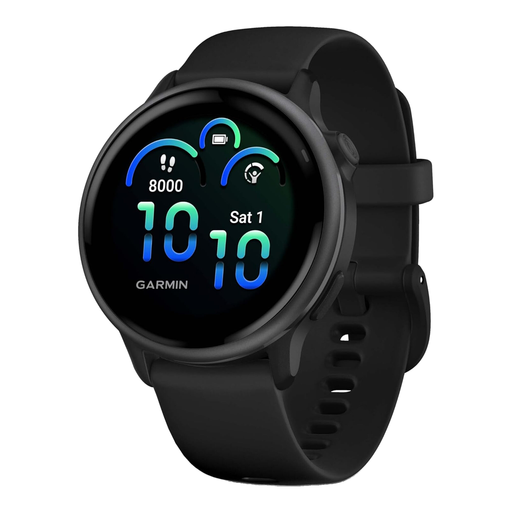
Why it stands out: The Garmin vívoactive 6 strikes the perfect balance between a dedicated sports watch and an everyday smartwatch. Its key advantage? A marathon-like battery life of up to 11 days, all with a stunning AMOLED display and ultra-comprehensive health and sports tracking.
Key features:
Who is it for? For everyday athletes who want detailed fitness and health tracking without the constant need to recharge. Its versatility makes it a smart choice for a wide audience, regardless of their smartphone.
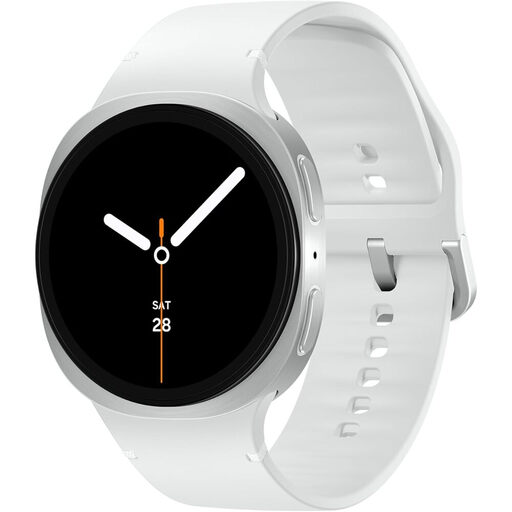
Why it stands out: The Samsung Galaxy Watch8 shines with its elegant, slim, and lightweight design, as well as its intelligence, boosted by Galaxy AI and Google Gemini. It establishes itself as a true wellness coach on your wrist, with innovative features like carotenoid measurement and particularly advanced sleep analysis.
Key features:
Who is it for? For Android smartphone users (especially those in the Samsung ecosystem) looking for a watch that combines everyday elegance with high-performance health tracking, all enhanced by the latest AI innovations.
Our selection is just a taste of what the market has to offer. If your perfect match isn't here, or if your curiosity drives you to explore other designs and features, many alternatives are available.
? Explore our complete collection of smartwatches to find the one that's made for you.
Historically, a smartwatch focused on notifications and apps, while a sports watch prioritised GPS accuracy, battery life, and training metrics. Today, the line between these two worlds is increasingly blurred. High-end models, like the ones we've featured, combine the best of both, blending advanced smart features with high-level sports tracking.
Most features (notifications, syncing, updates) require a Bluetooth connection to a smartphone. However, models equipped with cellular connectivity (4G/5G via an eSIM) and a built-in GPS offer greater independence. This allows you to make calls, receive messages, and track your outdoor workouts without carrying your phone.
Choosing a case size comes down to two criteria: comfort and aesthetics. For smaller wrists, a 40mm to 42mm case is generally more balanced and comfortable. For larger wrists, or for those who prefer a bigger screen for better readability, sizes from 44mm to 49mm will be more suitable. Our advice: measure your wrist circumference and consult the manufacturers' sizing guides.