
Livraison le jour même ou le lendemain

Qualité garantie

Débloquez vos offres de bienvenue: Livraison GRATUITE | Jusqu'à -80 % | 30 jours d'essai gratuits à JoyPlus
Téléchargez l'application
Choosing a new smartwatch in 2026? It can be a daunting task. Between advanced sports tracking, health sensors, and connectivity promises, it's easy to feel lost in the overwhelming number of options.
To help you make sense of it all, our editorial team has broken down the market. This guide covers the essential criteria you shouldn't overlook and features a selection of models that truly stand out. The goal: to help you find the smartwatch that will be the perfect fit for your wrist and your lifestyle.
Before you take the plunge, review these key points. They are crucial to ensuring you won't regret your purchase.
This is the essential starting point. Your watch and smartphone work as a pair, so their compatibility must be perfect.
This is the heart of the matter for a sports smartwatch.
Having to charge your watch every night can quickly become a hassle. Battery life is a major criterion: it can range from 24 hours for the most connected models to over two weeks for endurance-focused watches. When it comes to ruggedness, materials make all the difference. A titanium or steel case and a sapphire crystal are guarantees of longevity against the bumps and scratches of daily life.
After dozens of hours of testing and comparisons, our editorial team has selected three models that excel in their respective categories.
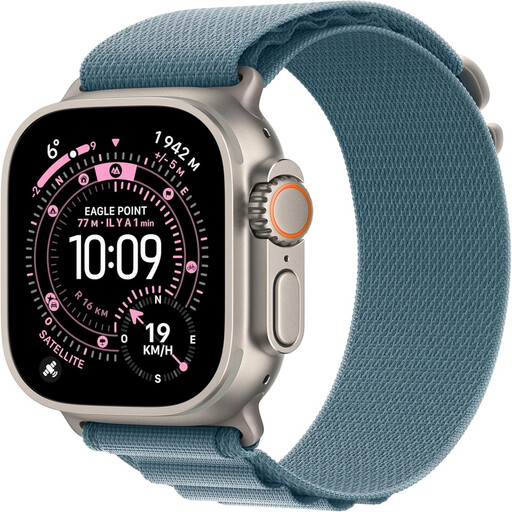
Why It Stands Out Built for adventure and extreme athletes, the Apple Watch Ultra 3 is a true fortress on your wrist. Its indestructible titanium case and record-breaking battery life make it the perfect ally for your challenges, without ever sacrificing the seamless integration of the Apple ecosystem.
Key Features
Who Is It For? Adventurers, multi-sport athletes (trail running, diving, triathlon), and more broadly, iPhone owners who simply want the very best in performance and durability.
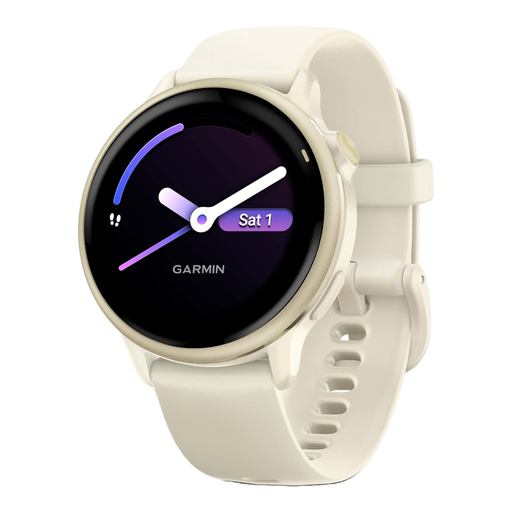
Why It Stands Out The Garmin Vivoactive 6 successfully bridges the gap between an ultra-comprehensive sports watch and a chic, discreet accessory. It shines with its stunning battery life and exclusive tracking tools, like the Body Battery which measures your personal "energy level".
Key Features
Who Is It For? For those who want a versatile watch that is as high-performing at the gym as it is elegant in the office. Its refined design, extra-long battery life, and Android/iOS compatibility make it an excellent choice for anyone.
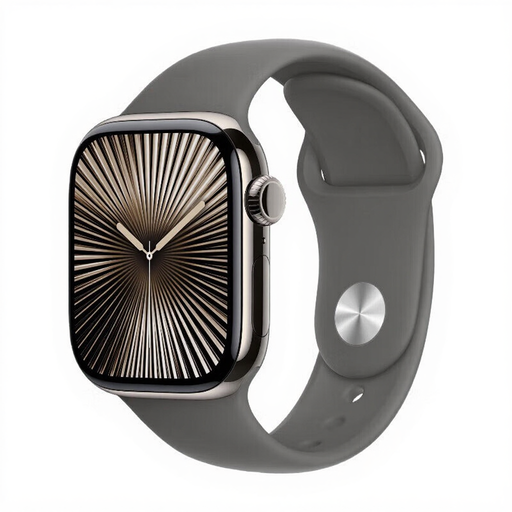
Why It Stands Out The Apple Watch Series 10 is the perfect balance. Slimmer and more accessible than the Ultra, it packs the best of Apple's health sensors into an iconic design, featured here in titanium. It is the quintessential smartwatch for the iPhone user.
Key Features
Who Is It For? For iPhone owners looking for an extension of their smartphone on their wrist, with top-tier health tracking and an elegant design perfect for 24/7 wear.
Did none of these models catch your eye? Don't worry, the market is full of alternatives, whether your priority is budget, style, or a specific feature.
Feel free to browse our complete catalog of wristwatches to find the hidden gem that will accompany you everywhere.
A GPS-only watch records your workout route without your phone. However, it must remain connected to your smartphone via Bluetooth for calls and notifications. A GPS + Cellular model has its own integrated eSIM. This makes it 100% standalone: you can make calls, send messages, and stream music while leaving your phone at home.
The sensors (heart rate, SpO2, ECG) provide valuable indicators of your fitness and long-term trends. But be aware, a health smartwatch is not a medical device. Its measurements are for informational purposes only and should never be used to self-diagnose or replace the advice of a medical professional.
It's primarily a matter of taste and comfort. Traditionally, cases 44mm and larger are considered more masculine (men's smartwatch), while sizes from 40mm to 42mm are often preferred by women or those with slimmer wrists (women's smartwatch). Our advice: measure your wrist circumference and compare it to the watch's dimensions to avoid any surprises.