
Livraison le jour même ou le lendemain

Qualité garantie

Débloquez vos offres de bienvenue: Livraison GRATUITE | Jusqu'à -80 % | 30 jours d'essai gratuits à JoyPlus
Téléchargez l'application
Predicting a shower to bring in the laundry, monitoring the greenhouse temperature, or simply knowing the quality of the air you breathe at home… National weather forecasts, as accurate as they may be, often lack the granular detail needed for our immediate surroundings. This is where the smart weather station comes in?: it provides ultra-local data, live from your garden or living room.
With a dizzying array of options on the market, making the right choice can be overwhelming. As the head of buying guides at Joybuy, my mission is to bring clarity to your decision. This guide breaks down the essential criteria and our selection of the best models to help you make an informed choice, without unnecessary jargon.
Before diving into our selection, let's review the key points that will guide your choice.
The value of your station depends entirely on the richness of the data it can collect.
The main difference between a classic wireless weather station and a smart model is its ability to communicate with the outside world.
Some stations go far beyond simple weather forecasts.
Here are the models that caught our eye, each catering to different needs and budgets.
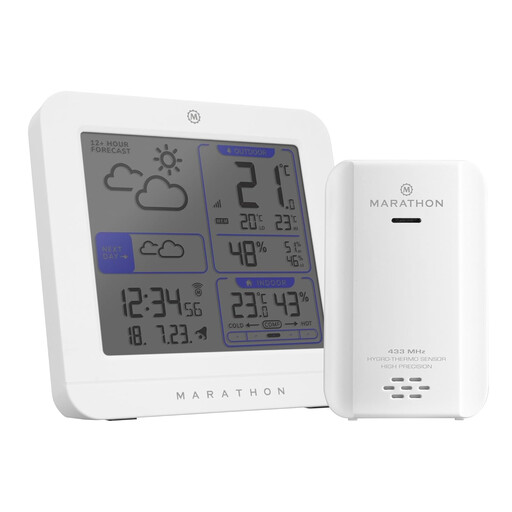
The Concept?: This model gets straight to the point and does it well. It provides essential temperature and humidity data (indoor and outdoor) on a perfectly readable screen.
Key Features?:
Who is it for? For those looking for a reliable and simple wireless weather station to get daily essentials, without the complexity of a Wi-Fi connection.
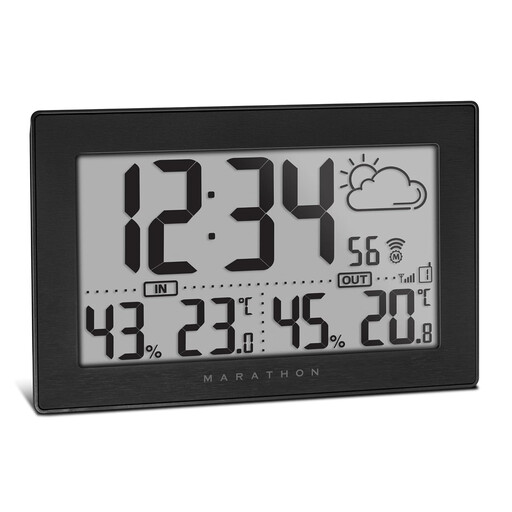
The Concept?: Its ability to manage up to three sensors (one included) makes it a highly versatile monitoring tool for different areas of your home or garden.
Key Features?:
Who is it for? Perfect for homeowners who want to monitor multiple locations at once?: the wine cellar, attic, conservatory, baby's room, and more.
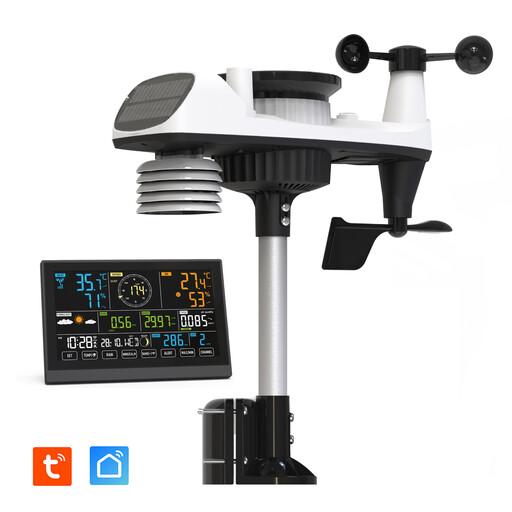
The Concept?: An all-in-one solution that combines a myriad of sensors, Wi-Fi connectivity, and indoor air quality tracking. The outdoor sensor is even solar-powered.
Key Features?:
Who is it for? For weather enthusiasts, demanding gardeners, and tech-savvy users who want maximum data, remote access, and indoor air quality monitoring.
Our selection highlights a few flagship models, but the range of options is much broader. If you're looking for a different design or specific features, feel free to explore our full collection.
Discover All Our Wireless Weather Stations
A classic wireless weather station transmits data from its outdoor sensor to the indoor console via radio waves. The information is therefore only visible on the console's screen. A Wi-Fi weather station (or smart station) does the same, but its console also connects to your Wi-Fi network. This allows you to view all your data remotely from a smartphone or computer.
To get reliable measurements, place the outdoor sensor in a shaded, well-ventilated area, about 1.5 to 2 metres (5 to 6.5 feet) off the ground. Avoid direct sunlight, proximity to a wall that retains heat, or any source of moisture (vents, pools, etc.) that could skew the readings.
A personal weather station's weather forecasts are based on local barometric pressure changes. They indicate a general trend (sunny, cloudy, rainy) for the next 12 to 24 hours. It's a handy indicator, but it obviously doesn't have the reliability of the complex models used by professional weather services.