
Livraison le jour même ou le lendemain

Qualité garantie

Débloquez vos offres de bienvenue: Livraison GRATUITE | Jusqu'à -80 % | 30 jours d'essai gratuits à JoyPlus
Téléchargez l'application
As a dog owner, seeing your companion suffer from itching, digestive upset, or other signs of food sensitivity is a major concern. The pet food market offers a vast array of solutions, but it can be difficult to know where to start. Single-protein wet dog food is often recommended as an excellent option, especially for an elimination diet or for pets with sensitive stomachs.
This guide is designed to give you clear, practical advice to help you make an informed choice, focusing on product composition rather than marketing claims.
Navigating the aisles (whether physical or virtual) can be confusing. Here are a few key points, in line with European standards, to help you select the right food.
Transparency is essential. A high-quality single-protein wet food must, by definition, contain only one source of animal protein.
This section, which is mandatory on all labels, provides key figures on the product's nutritional value.
For a sensitive dog, what's left out of the bowl is just as important as what's in it. Grain-free wet dog food is a popular choice, as grains (like wheat and corn) are known allergens for some animals. Other claims to look for include:
These ingredients offer no nutritional value and can be a source of sensitivities.
Keeping these criteria in mind, here are a few options that stand out for their clear composition and targeted approach for sensitive dogs.
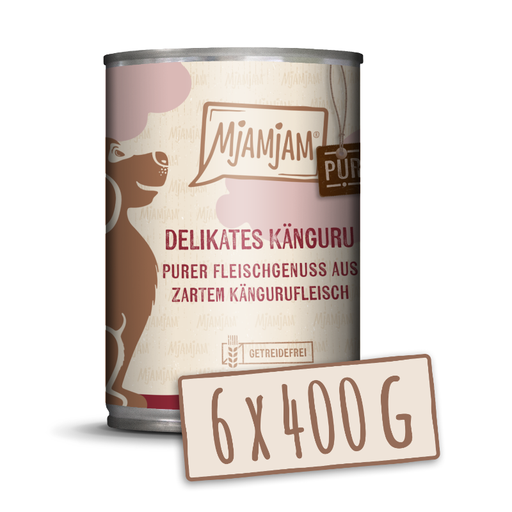
Why we recommend it: This single-protein canned dog food uses a very novel protein source: kangaroo. This makes it a smart choice for an elimination diet when more common proteins (like chicken or beef) are suspected of causing reactions. The composition is simple and straightforward: 71% kangaroo meat and offal, meat broth, and minerals.
Benefits:
Who is this product for?: Owners of dogs with known or suspected food allergies to common proteins. It's an excellent foundation for identifying the source of an intolerance.
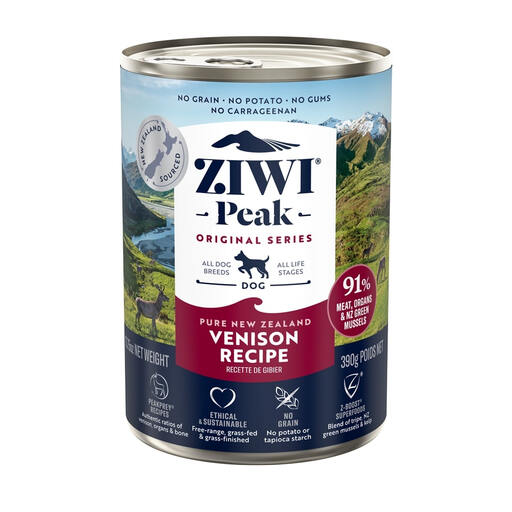
Why we recommend it: Ziwi PEAK offers a premium approach with a rich and complete recipe. Venison is another low-allergen protein. The formula includes functional ingredients like New Zealand Green Mussels, known for their joint health benefits. The ingredient list is clear and highlights the quality of the organ meats.
Benefits:
Who is this product for?: Owners looking for a high-quality food for dogs with sensitive digestion, with added benefits for joint health. Suitable for dogs of all sizes and ages.
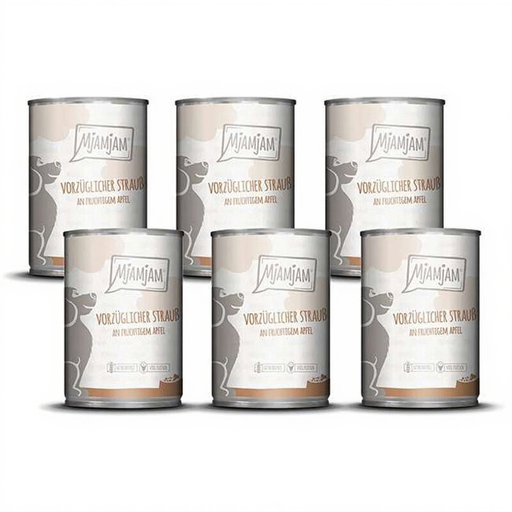
Why we recommend it: This recipe combines a rare protein, ostrich, with a touch of fruit (apple). Ostrich is a lean, digestible meat, making it an excellent option for sensitive dogs. The addition of apple provides natural fibres that promote healthy digestion. With 67% ostrich meat and offal, the quality is undeniable.
Benefits:
Who is this product for?: Ideal for dogs that need an alternative protein and for owners who want to add variety while sticking to a healthy and digestible single-protein base.
Every dog is unique, and the perfect solution for one may not be right for another. The products featured here are solid options based on objective compositional criteria. If you want to explore a wider range or if your dog has specific needs not covered here, feel free to browse our complete category of dog products.
A single-protein wet food is a food that contains only one source of animal protein. For example, a single-protein lamb p?té will only contain lamb meat and offal, with no added chicken, beef, or fish. This makes it a very useful tool for elimination diets aimed at identifying a food allergen.
For some dogs, grains like wheat, corn, or soy can be difficult to digest or can trigger allergic reactions (skin problems, digestive issues). A grain-free food for sensitive digestion replaces these with more digestible carbohydrate sources like sweet potatoes, peas, or fruit, or omits them entirely to focus on the meat content.
It is crucial to never switch your dog's food abruptly. A gradual dietary transition allows their digestive system to adapt and helps prevent diarrhoea or vomiting. Over a period of 7 to 10 days, progressively mix the new food with the old, gradually increasing the proportion of the new food until it completely replaces the old one. If in doubt, consult your veterinarian.