
Livraison le jour même ou le lendemain

Qualité garantie

Débloquez vos offres de bienvenue: Livraison GRATUITE | Jusqu'à -80 % | 30 jours d'essai gratuits à JoyPlus
Téléchargez l'application
By Joybuy, our product expertPublished: August 27, 2026
Dry hair is a daily struggle: rough to the touch, dull, and brittle. Faced with shelves overflowing with promises, finding the nourishing shampoo for dry hair that will finally make a difference can feel like an uphill battle. Too many products boast miraculous results they never deliver, leaving your hair thirsty and your wallet lighter.
To stop making the wrong choice, learn to spot the most common marketing traps and invest in a treatment that truly works.
To choose a treatment that will transform your hair for the long term, forget the advertising slogans and focus on these three technical points.
A shampoo's job is to wash. But for a treatment for dry hair, its primary mission is to wash... gently. This is non-negotiable.
A good repairing shampoo must include active ingredients capable of filling in the gaps in the hair fibre.
Silicones are often used for their immediate cosmetic effect: they coat the hair, making it shiny and easy to detangle. However, some non-water-soluble silicones can build up, weigh down the hair, and create a barrier that prevents nourishing active ingredients from penetrating. A silicone-free formula is therefore an excellent option for a deep treatment, as it allows the fibre to "breathe" and fully absorb the nourishing actives.
Rather than an endless list, we have selected products for specific needs, breaking down their formulation and effectiveness on different types of dry hair.
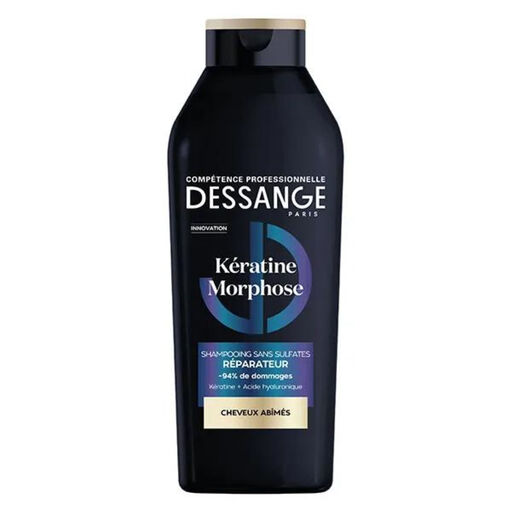
Why we recommend it: The perfect solution for hair stressed by colouring or heat that needs targeted repair. This shampoo combines repairing proteins with a powerful hydrating agent for a dual restructuring action.
It doesn't rely on a single "miracle" ingredient. Its strength lies in the combination of a vegetable keratin complex, which fills in gaps, and hyaluronic acid, which rehydrates. A comprehensive approach for hair in distress.
Its sulfate-free formula cleanses gently, a crucial point for not aggressing an already fragile fibre. The keratin/hyaluronic acid duo repairs the internal structure while creating a shield against external aggressors.
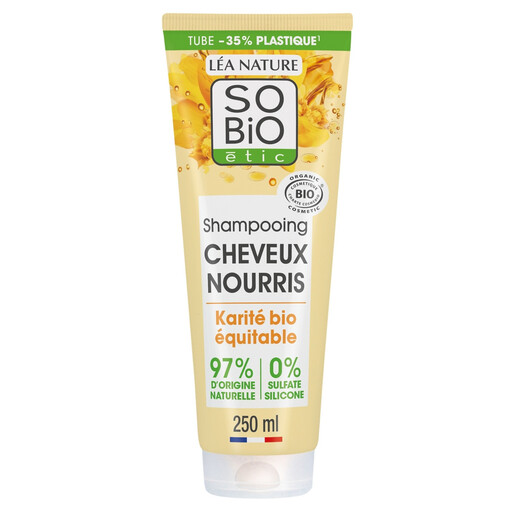
Why we recommend it: A must-have for fans of clean formulas and certified products. It targets dry to very dry hair with a simple, effective, and planet-friendly formula.
It avoids the superficial "sulfate-free" trap by using an ultra-gentle cleansing base (Decyl Glucoside, Cocamidopropyl Betaine) and a silicone-free formula. The COSMOS ORGANIC certification is a mark of quality, ensuring compliance with strict specifications.
The duo of organic shea butter and jojoba wax provides the essential lipids for deep nourishment. With 97% of ingredients from natural origin, transparency is guaranteed.
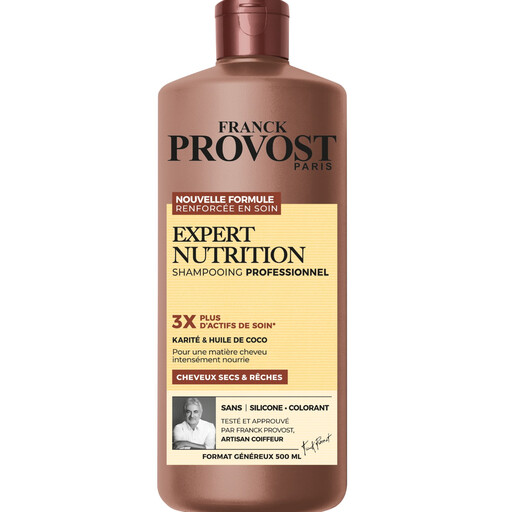
Why we recommend it: For those who want the effectiveness of a professional treatment without breaking the bank. This shampoo is designed to offer intense nutrition to dry and rough hair, thanks to proven ingredients.
No superfluous marketing ingredients here; it gets straight to the point with proven nourishing actives (shea butter, coconut oil). Its silicone-free formula prevents the build-up effect that weighs down and suffocates the hair.
Its generous 500ml format ensures excellent value for money. The combination of shea butter and coconut oil is a classic that works wonders to nourish, soften, and revive dry hair.
We have analysed and compiled a complete selection of products that meet our demanding selection criteria.
It's simple: hydration provides water, while nutrition provides fat (lipids). A hydrating shampoo is perfect for hair that is thirsty but not necessarily damaged. A nourishing shampoo is essential for dry, very dry, or brittle hair. The lipids (oils, butters) it contains will seal moisture into the core of the fibre and protect it. Often, dry hair needs both.
The golden rule: space out your washes. For very dry hair, two to three shampoos per week are more than enough. Washing too frequently, even with a gentle product, can strip the natural sebum that protects the scalp and hair fibre, thus worsening the dryness.
Most of the time, yes. Damaged hair has open cuticles, making it more vulnerable. A gentle cleansing base, like that of a sulfate-free shampoo, is less aggressive. However, you still need to be vigilant: to be truly effective, the absence of sulfates must be accompanied by other very gentle surfactants and a formula packed with repairing active ingredients.