
Livraison le jour même ou le lendemain

Qualité garantie

Débloquez vos offres de bienvenue: Livraison GRATUITE | Jusqu'à -80 % | 30 jours d'essai gratuits à JoyPlus
Téléchargez l'application
Seaweed crisps, Korean snacks... The shelves of supermarkets and Asian grocery stores are overflowing with salty, umami promises, presented as the healthy alternative to potato crisps. Yet, behind the tempting packaging often lie disappointing products. As a product expert for Joybuy, I'm here to demystify this booming category and help you avoid any unpleasant surprises.
Before you give in to temptation, let's review the 3 most common traps that could ruin your snack time.
To avoid these letdowns, you need to know how to read between the lines and focus on a few objective criteria.
To make the right choice, forget the marketing and focus on two essential points.
The texture of your snack depends directly on the raw material and how it's processed. Understanding these distinctions will save you from unpleasant surprises.
A quick glance at the nutritional table and the ingredients list is essential.
To help you find that hidden gem, here are our recommendations, categorised by craving and vetted against our criteria.
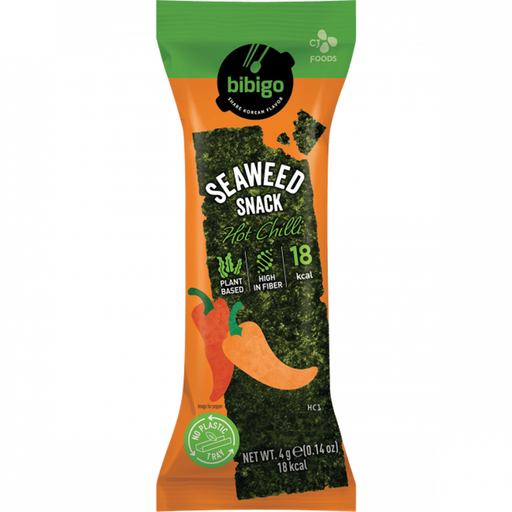
Why we recommend it: Perfect for those looking for a real kick of heat. This Korean snack doesn't pull any punches: it combines the crispiness of nori seaweed with a fiery jalape?o seasoning, offering an intense and straightforward taste experience. The 4g format is ideal to try without committing.
No more false promises! Here, the "Hot Chilli" label delivers on its promise thanks to a real spice blend and a jalape?o seasoning that ensures a frank and direct heat.
Fine and crispy texture typical of nori seaweed. Bold fusion of marine umami and the heat of Mexican chilli.
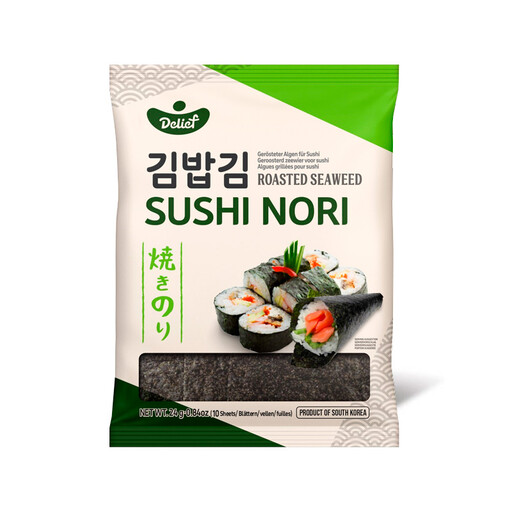
Why we recommend it: For those who want the pure taste of seaweed, and nothing else. This product is perfect for minimalist snacking or as a versatile base to add to soups, salads, or rice. It's seaweed in its purest form.
This is the antithesis of the deceptively unhealthy snack. With a single ingredient (100% seaweed), the composition is crystal clear: no oil, no sugar, no added salt. The nutritional profile is flawless.
Single-ingredient product. Naturally low in calories and free from any additives. Light and crispy texture. Extremely versatile in the kitchen.
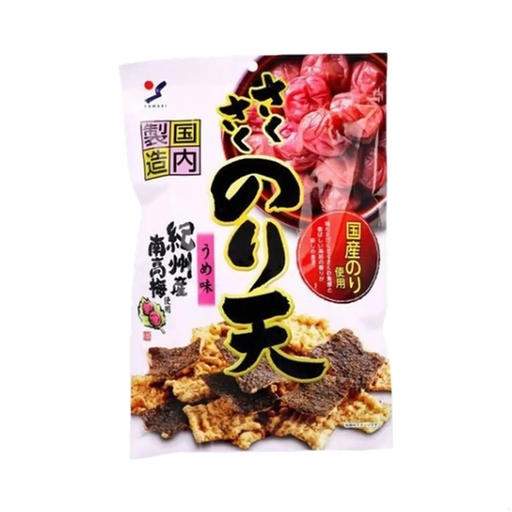
Why we recommend it: For those who want serious crunch. This tempura-style snack offers a thick, ultra-crispy texture that's much more pronounced than a simple roasted sheet. The plum (umeboshi) flavour adds an original sweet-and-sour touch that pairs beautifully with the fried coating.
The promise of crunch, finally delivered. The "Crunchy" name and tempura preparation make it clear: expect a thick, fried texture with no unpleasant surprises.
Ultra-crunchy tempura texture. Original plum flavour adds an acidic note to balance the richness of the fried coating.
Discover our full selection of seaweed snacks, all rigorously selected for their quality and transparency.
It all depends on the recipe! A simple roasted nori snack, with no added salt or oil, is an excellent source of nutrients and very low in calories. On the other hand, fried (tempura) or heavily seasoned versions can be high in salt, fat, and sugar. The key is to check the label and enjoy the more indulgent versions in moderation, just like any other savoury snack.
Moisture is their worst enemy. Once the packet is open, the ambient air can quickly make them go soft. The best practice is to transfer them to an airtight container and store it in a cool, dry place, away from light. For optimal crunch, consume them within a few days of opening.
They're night and day in terms of texture and use.