
Livraison le jour même ou le lendemain

Qualité garantie

Débloquez vos offres de bienvenue: Livraison GRATUITE | Jusqu'à -80 % | 30 jours d'essai gratuits à JoyPlus
Téléchargez l'application
By the Joybuy Recommendation Team, July 28, 2026
Fans of Chinese cuisine know it well: the difference between a home-cooked meal and a restaurant dish often comes down to that indefinable something, that rich, deep aroma. What if the secret wasn't a rare spice, but simply the cooking fat? Welcome to the world of scallion oil, the magic ingredient that transforms simple noodles or fried rice into a feast.
Lard or vegetable oil, pure or in a sauce... with so many choices, it can be hard to know where to start. This guide is here to help you choose the Asian seasoning that will become your new secret weapon in the kitchen.
To find the perfect product, there are three simple but essential criteria to consider.
This is the key factor that will define the entire character of your oil.
Some products are pure oils for cooking, while others are ready-to-use sauces.
Aromatic oils and fats come in various sizes. A small 150-250?ml jar is ideal for trying a product out or for occasional use. Larger sizes (over 500?ml) are more economical if you use it often. Pay attention to storage: lard solidifies in the cold and must be kept in the refrigerator after opening to prevent it from going rancid.
Here are a few options we've selected, each catering to specific needs.
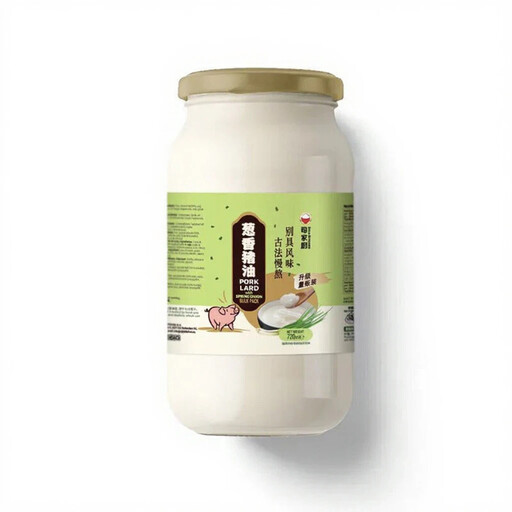
Why we love it?: The choice for authenticity. This is pure lard slow-infused with fresh scallions, with no additives. Its large size makes it excellent value for money for frequent home cooks. The richness of the lard is perfect for stir-frying vegetables, making a flavorful fried rice, or adding moisture to fillings.
Pros?:
Best for?? Purists and families who cook Asian food often and are looking for that authentic taste.
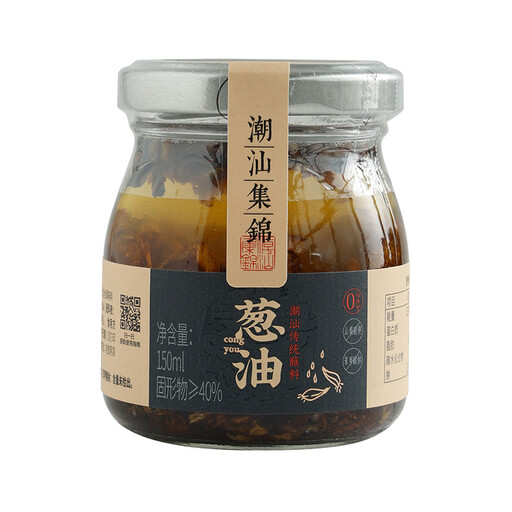
Why we love it?: More than just an oil, this is a ready-to-use sauce. Made with a vegetable oil base, it includes fried scallions, soy sauce, and spices. It's the miracle solution for scallion oil noodles (葱油拌面) that are ready in minutes. Simply mix it with cooked noodles for a quick and delicious meal.
Pros?:
Best for?? Those in a hurry, students, and anyone who wants maximum flavor with minimum effort.
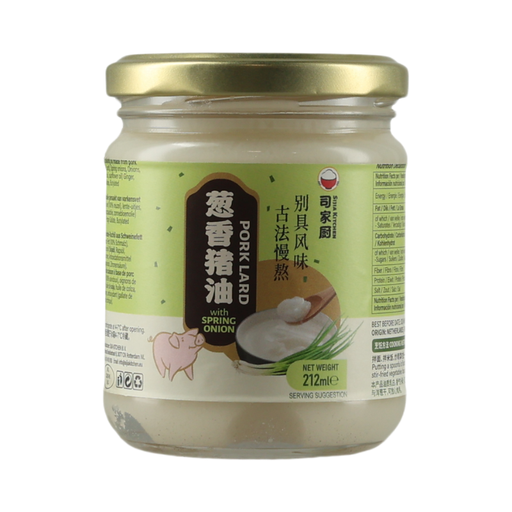
Why we love it?: You get all the quality and authentic taste of Sijia Kitchen's scallion lard, but in a smaller size. It's perfect for getting started with lard-based cooking without committing to a large jar, or for more occasional use.
Pros?:
Best for?? The curious, small households, or those who use it occasionally.
Scallion oil is a fantastic gateway into the world of Asian aromatic oils. Chili oil, toasted sesame oil, Sichuan pepper oil... the possibilities are endless for bringing a new dimension to your cooking. Explore our full selection of condiments to find your next favorite.
? Discover all our Asian condiments and oils
It's all in the fat! Classic scallion oil is made with a vegetable oil base (soybean, rapeseed). It's lighter, with a very fresh and pronounced scallion aroma. Scallion lard, on the other hand, is made with pork fat. The result? A much richer, deeper flavor and a creamy texture that provides that famous umami so sought after in traditional Chinese cuisine.
For noodles, nothing could be simpler: once cooked and drained, toss them while still hot with one or two tablespoons of scallion oil or sauce. You can add a splash of light soy sauce and some vegetables. For fried rice, scallion lard is the ideal fat to start with. Sauté garlic and eggs in it, then add the rice: it will infuse the entire dish with an irresistible aroma.
Since lard is an animal fat, it must be stored in the refrigerator after opening to prevent it from going rancid. It will harden when cold, which is completely normal. Simply scoop out the desired amount with a clean spoon; it will soften very quickly in a hot pan or wok.