
Livraison le jour même ou le lendemain

Qualité garantie

Débloquez vos offres de bienvenue: Livraison GRATUITE | Jusqu'à -80 % | 30 jours d'essai gratuits à JoyPlus
Téléchargez l'application
Recreating the authentic taste of chicken satay skewers or a delicious peanut noodle dish at home can be a challenge. Making the sauce from scratch takes time and requires ingredients that are not always easy to find. Fortunately, ready-to-use sauces are here to make our lives easier, letting us recreate those exotic flavours in a flash.
Our mission? To help you navigate the jungle of everyday products. This guide is designed to give you everything you need to choose the satay sauce that will elevate your recipes, whether you're making skewers, spring rolls, or even a hot pot.
To find the hidden gem that will take your dishes to the next level, you only need to consider a few simple criteria. Here are the key points to check before you buy a satay sauce.
Texture is the first thing you'll notice (both with your eyes and your palate!). Some sauces are smooth and creamy, ideal for coating noodles or as a base for a marinade. Others, with chunks of peanuts, offer a pleasant crunch, perfect for a dipping sauce.
Next, take a look at the ingredients. A Thai-inspired peanut sauce will often include coconut milk for creaminess, tamarind for a touch of acidity, and a bouquet of spices like lemongrass or galangal. Other versions, which are more like a cooking peanut paste, are much more concentrated and can be diluted as needed.
The balance between sweet, salty, and spicy is what gives a satay sauce its character.
Think carefully about your primary use: a sauce for dipping spring rolls won't have the same profile as a marinade for chicken.
To help you make your choice, we've reviewed some of the top contenders on the market.
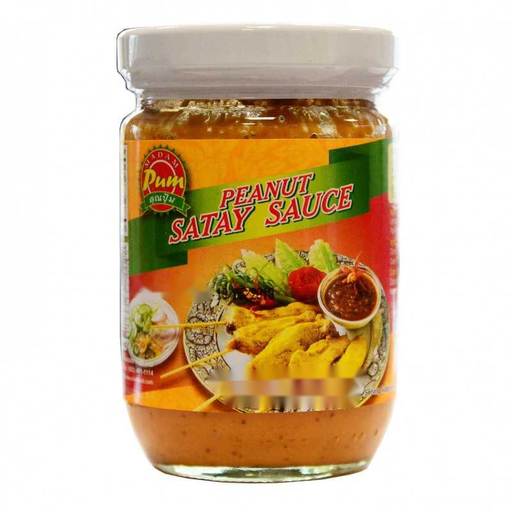
Why it stands out This sauce is the epitome of a classic Thai sauce, with its velvety texture and perfectly balanced aromas. Made from roasted peanuts, coconut milk, and a blend of traditional spices, it offers a rich flavour where sweet and salty harmonise perfectly.
Pros
Best for? This is the ideal option for those seeking an authentic yet mild flavour. It's perfect as a sauce for skewers or to accompany spring rolls and raw vegetables.
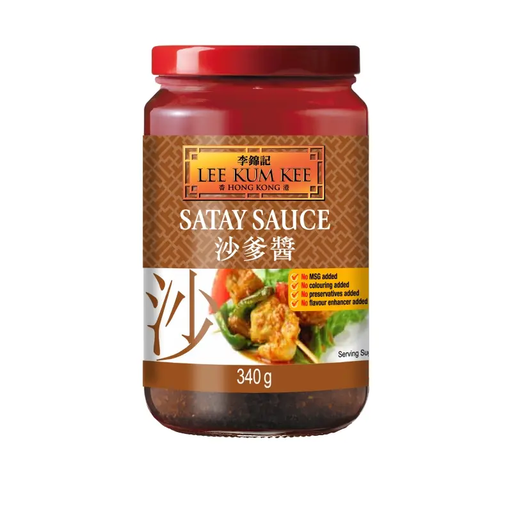
Why it stands out Lee Kum Kee's sauce stands out for its complexity and versatility. It incorporates subtly spicy notes that give it more depth without overpowering the creamy peanut base. Its texture is rich and very slightly chunky.
Pros
Best for? It will delight cooks who appreciate multifaceted sauces with character. It's the perfect partner for improvising all kinds of Southeast Asian-inspired dishes.

Why it stands out Note that this is in a different category: it's a sauce base, not a ready-to-use product. Composed of 80% peanut paste and 20% sesame paste, it provides a rich, dense, and completely neutral base. It's the perfect product for those who want to create their own custom sauce.
Pros
Best for? This product is for hot pot purists and anyone who loves to control every detail of their cooking. Simply add a little water, soy sauce, vinegar, or spices to create THE sauce that perfectly matches your taste.
If our selection doesn't quite meet your needs, or if you're simply curious to discover other pastes and sauces for your appetisers and meals, feel free to explore our dedicated category.
Discover our range of sauces and spreads
1. What's the difference between satay sauce and peanut sauce?
The term “peanut sauce” is quite generic and refers to any sauce made with peanuts. Satay sauce, on the other hand, is a very specific variation originating from Southeast Asia (particularly Indonesia and Thailand). Its recipe is traditionally more complex, enriched with ingredients like coconut milk, lemongrass, tamarind, garlic, and various spices that give it its characteristic flavour.
2. How do you use satay sauce in cooking?
Its versatility is one of its greatest strengths. Here are a few ideas for how to use it:
3. How should I store satay sauce after opening it?
Once opened, store the sauce in the refrigerator, making sure the jar is sealed tightly. The shelf life varies from one brand to another, but it's generally recommended to consume it within a few weeks to enjoy its full flavour. It's best to refer to the instructions on the packaging.