
Livraison le jour même ou le lendemain

Qualité garantie

Débloquez vos offres de bienvenue: Livraison GRATUITE | Jusqu'à -80 % | 30 jours d'essai gratuits à JoyPlus
Téléchargez l'application
A perfectly rolled, uniformly thick dough is often the secret to a successful recipe. Yet, with the multitude of models available, choosing the right rolling pin can quickly become overwhelming. Should you opt for traditional wood, the convenience of silicone, or the precision of an adjustable model?
This guide is here to shed some light. As the Editor-in-Chief of Buying Guides at Joybuy, my mission is to test and select products for you that truly make a difference. The goal: to help you find the baking tool that will perfectly suit your cooking style.
Before we unveil our top picks, let's review the essential criteria for making the right choice.
The material of your rolling pin directly influences the contact with the dough, as well as how you clean it.
Precision is key in baking. This is where the adjustable rolling pin makes all the difference.
Thanks to rings of different thicknesses attached to its ends, this type of rolling pin guarantees a perfectly even dough across its entire surface. This is a decisive advantage for making biscuits, shortbread, tart bases, or even for a pizza dough roller, where a consistent thickness ensures uniform baking. A classic rolling pin, on the other hand, will require more skill to achieve the same level of consistency.
The choice between a rolling pin with handles and a cylindrical one (known as a "French" rolling pin) is primarily a matter of personal preference.
We have selected three models that excel in their category, each meeting a specific need.
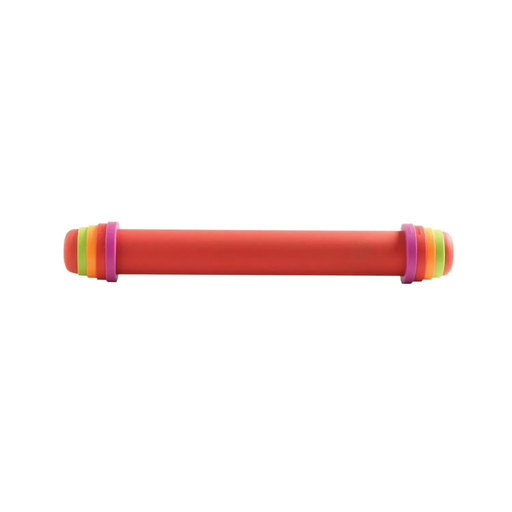
Why It Stands Out: This model from Mastrad combines two of the most sought-after features: a non-stick surface and millimetre-perfect thickness control. Its key feature: an ingenious system of removable rings to achieve a perfectly calibrated dough.
Advantages:
Who Is It For? Ideal for amateur bakers seeking consistency and versatility. It's the perfect tool for those who love to vary their creations (biscuits, tarts, pizzas, fresh pasta) and want flawless results every time.
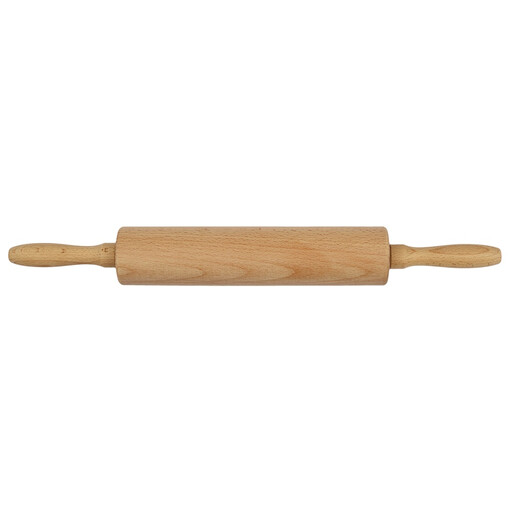
Why It Stands Out: This model from LILY COOK embodies the traditional approach to baking. Its handleless, all-wood cylindrical design was conceived to offer maximum control and a direct connection with the dough.
Advantages:
Who Is It For? Aimed at baking and pastry enthusiasts who appreciate traditional tools and the "feel" of the dough. Perfect for those who prioritise manual control and aren't put off by wood maintenance.
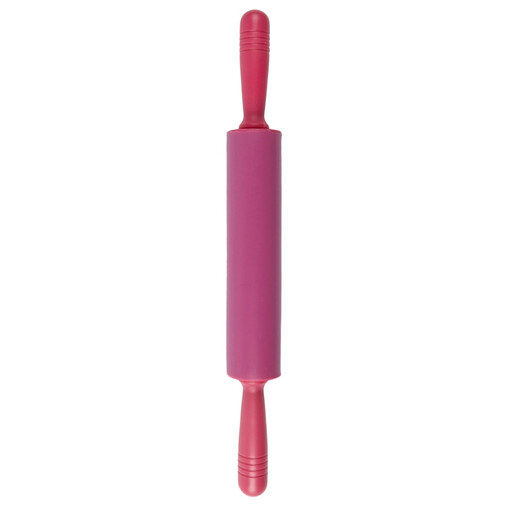
Why It Stands Out: Simplicity is the key word for this LILY COOK roller. Made entirely of silicone, it relies on formidable efficiency thanks to its perfectly non-stick surface. It's the ultimate practical tool.
Advantages:
Who Is It For? Perfect for beginners, occasional bakers, or those who regularly work with sugar paste. It's a simple, effective, and hassle-free option for everyday use.
Not completely convinced by these models? Or are you simply curious to see what else is out there? Take a look at our full range. Every baker has their preferences, and your dream tool is surely hiding in there.
? Explore our complete collection of rolling pins
1. How do I prevent dough from sticking to a wooden rolling pin? The trick is to very lightly and evenly flour the rolling pin and your work surface. After use, clean it with a damp cloth without ever soaking it in water. To maintain it, consider oiling it from time to time with a thin layer of food-grade mineral oil.
2. Is a silicone rolling pin really more effective? It's not "more effective" in itself, but it meets different needs. Its main advantage is its non-stick property, which makes it unbeatable for sticky doughs. On the other hand, a wooden rolling pin offers a better feel for the dough and finer pressure control for experienced users. The choice depends on your priorities: ease of maintenance or traditional control.
3. Can I use any rolling pin for pizza dough? Yes, but some are better suited. An adjustable rolling pin is particularly recommended, as it allows you to set a uniform thickness (often between 6 and 8 mm), which ensures your pizza bakes evenly. A heavy wooden roller also works very well for firmly rolling out the dough.