
Livraison le jour même ou le lendemain

Qualité garantie

Débloquez vos offres de bienvenue: Livraison GRATUITE | Jusqu'à -80 % | 30 jours d'essai gratuits à JoyPlus
Téléchargez l'application
Pristine floors without spending hours on them every week? The promise is tempting. This is the world of robot vacuum and mop combos. But faced with a market saturated with models featuring sometimes obscure functionalities, it's hard to know where to start. Separating marketing claims from real innovations often feels like an uphill battle. As a product expert at Joybuy, my mission is to guide you toward an informed choice and help you avoid the disappointment of a bad purchase.
Investing in a high-end appliance means expecting a real time-saver and impeccable cleanliness in return. However, certain overhyped features or simple design flaws can quickly turn your dream assistant into a source of daily frustration.
To make the right choice, you need to focus on the features that truly matter for everyday performance and autonomy. Here are the three pillars of a genuinely high-performing robot vacuum and mop combo in 2026.
Suction power, measured in Pascals (Pa), is crucial for a deep clean. For homes with carpets or pets, a powerful robot vacuum is not optional.
Also, pay attention to anti-tangle technologies. Some models are equipped with rubber brushes or detangling systems that actively cut hair and fur, preventing clogs and manual maintenance. This is a game-changing detail for pet owners looking for the best robot vacuum and mop for pet hair.
The most dramatic innovations are happening in mopping technology. Forget the simple wet cloth and look for active mopping systems:
The true revolution is the docking station. A simple charging base is now outdated. A modern station makes your device a nearly self-sufficient self-cleaning robot vacuum. The features to look for are:
There's a solution for every home. Here is our selection of products that meet specific user profiles, always keeping our performance criteria and the pitfalls to avoid in mind.
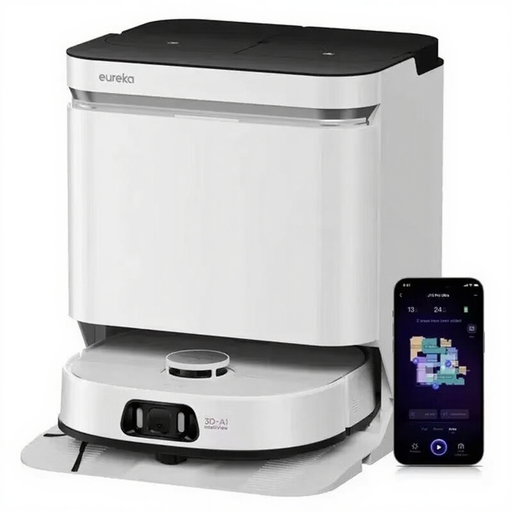
Why we recommend it: For those who demand a 'zero-hassle' solution. This device checks all the boxes: phenomenal suction power, intelligent mopping, and a station that handles all the maintenance. It's the very definition of 100% automated cleaning.
It counters all 3 pitfalls: its station washes the mops with 75°C hot water (goodbye to passive mopping), it's fully autonomous (no more constant maintenance), and its 16,200 Pa suction power, combined with anti-tangle technology, is built for the toughest challenges.
Hot water mop washing station (75°C) for perfect mop hygiene. FlexiRazor technology for anti-tangle performance, formidable against hair and fur. Extendable mops for cleaning right up to the baseboards.

Why we recommend it: For those who prioritise hygiene and power above all else, even if it means staying hands-on. This steam cleaner is the perfect companion to a robot for deep cleaning sessions: tile grout, kitchen grease, sanitising the bathroom...
It doesn't fall into the "passive mopping" trap, instead offering unmatched thermal cleaning power. Its 105°C steam dissolves grease and caked-on dirt where a simple wet cloth is powerless, all without any chemical products.
High-temperature steam (105°C) ready in 15 seconds. Large 1.6L tank for up to 48 minutes of runtime. 10-piece accessory kit for total versatility on all surfaces.
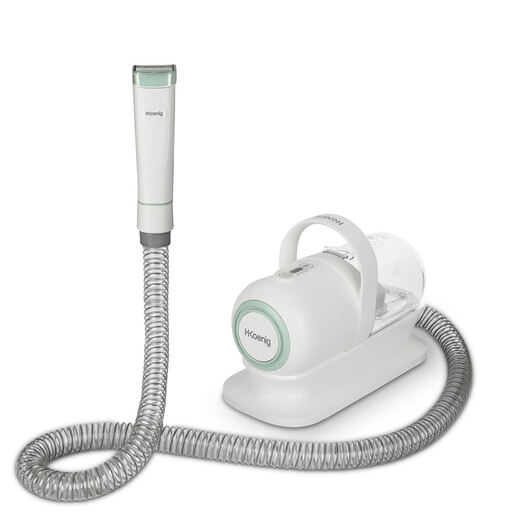
Why we recommend it: The best strategy against pet hair? Tackle it at the source. This grooming vacuum lets you brush, trim, and vacuum hair directly from your pet, drastically reducing its spread across your floors and sofas.
It tackles the 'maintenance nightmare' at its root. Less hair on the floor means a lower risk of tangles for your robot's brush, leading to prolonged efficiency and reduced maintenance.
3-in-1 system (vacuuming, trimming, brushing). 3 suction speeds to suit each pet's sensitivity. Washable HEPA filter that captures allergens.
We've curated a complete selection of products that meet our demanding selection criteria.
1. What is the lifespan of a robot vacuum and mop? It all depends on the build quality and how well it's maintained. Generally, the battery is the first component to degrade, often after 2 to 4 years of daily use. On quality models, the motors and sensors can last over 5 years. Regular maintenance (cleaning brushes, filters, and sensors) is therefore crucial to maximise its lifespan.
2. Can a robot really replace a canister vacuum and a mop? For daily upkeep, a high-end model is perfectly capable of maintaining an excellent level of cleanliness. It excels at managing dust, hair, and small everyday messes. However, for a deep spring clean, a large spill, or old, set-in stains, the intervention of a powerful canister vacuum or a good manual scrub will still be occasionally necessary.
3. Is setting up a robot with a station complicated? No, the setup is generally very simple. You just need to find a suitable spot for the station (leaving a bit of space around it), plug it in, and then download the manufacturer's app. The setup is then guided step-by-step within the app: connecting to Wi-Fi, customising the robot's name, and launching the first mapping of your home. The entire process rarely takes more than 15 minutes.