
Livraison le jour même ou le lendemain

Qualité garantie

Débloquez vos offres de bienvenue: Livraison GRATUITE | Jusqu'à -80 % | 30 jours d'essai gratuits à JoyPlus
Téléchargez l'application
Vacuum, mop, repeat. It's an endless chore, especially when pet hair and dust seem to reappear just hours after a deep clean. A robot vacuum and mop with a self-cleaning station promises to free you from this task. The problem: the market is saturated with models featuring complex spec sheets, and it's easy to fall for marketing traps that turn a promising purchase into a disappointment.
Before you pull out your credit card, here are 3 common pitfalls to watch out for to ensure you don't regret your investment:
To avoid these disappointments, it's crucial to focus on the few technical details that change everything and define the true effectiveness of a robot vacuum and mop with a station.
Be careful, the word "station" is often a marketing catch-all. A truly autonomous model does more than just offer automatic dustbin emptying. The features to demand are:
If pets (or long-haired humans) are part of your life, the brush design is a critical factor. A good robot vacuum for pet hair must include truly effective anti-tangle technology. Prioritise models equipped with:
For the cleaning to be truly "done," the robot must go where the dust hides. The most advanced corner-cleaning robot vacuum technologies offer:
Rather than an exhaustive list, we've matched models that shine in our tests with specific user profiles. The goal: to help you find the one that meets your real needs.
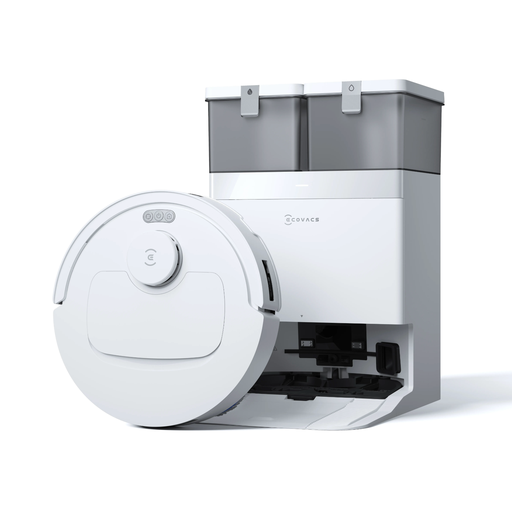
Why it stands out: For those who dream of a "set it and forget it" solution. It checks all the boxes: high suction power, an ultra-comprehensive station, and cutting-edge technologies for edge cleaning and hair management. The ideal companion for active families with pets.
Its OMNI station washes the mops with scalding hot water (75 °C) and dries them, solving the problem of dirty pads. The TruEdge 2.0 technology and its extendable mop tackle forgotten corners, while the ZeroTangle 3.0 system is specifically designed to neutralise hair and fur.
The winning combination: very high-temperature washing and an extendable mop for a hygienic and complete clean, right into the tightest corners.
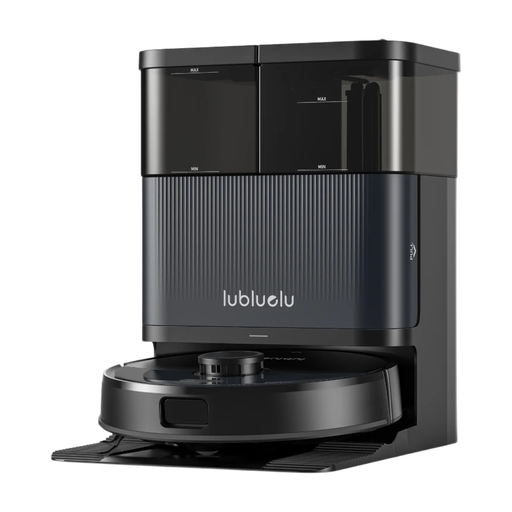
Why it stands out: Here, raw power is king for dislodging pet hair embedded in rugs and carpets. This model combines colossal suction power with a complete station, making it a highly relevant choice for those waging war on pet hair.
Its all-in-one station handles emptying, washing, and drying, sparing you from manual mop maintenance. Its 10,000 Pa of power sucks up hair before it even has a chance to tangle en masse in the brush, thus limiting the risk of blockages.
XXL suction power, ideal for thick carpets and pet owners, all combined with a fully autonomous docking station.
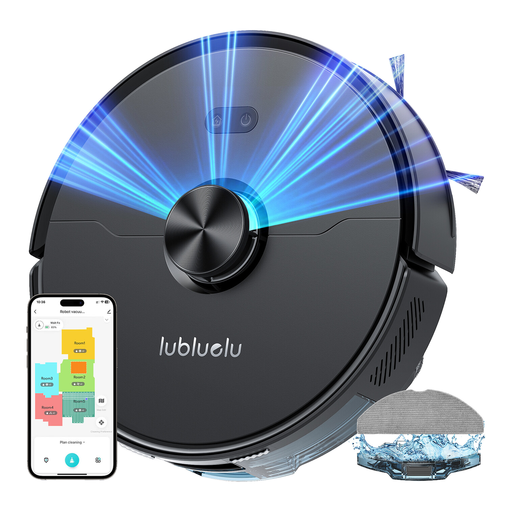
Why it stands out: It packs the essential features of a modern system (3-in-1 station, laser navigation) at a very competitive price point. It's the ideal entry ticket to experience true automation without breaking the bank.
Its station includes mop washing and hot air drying at 45 °C, which avoids the main pitfall of basic stations: damp, smelly pads. Its laser navigation ensures methodical cleaning that doesn't miss a spot.
A complete station with hot air drying and precise laser navigation, offering reliable automation and an excellent features-to-price ratio.
We've gathered all the models that passed our tests with flying colours and meet our strict selection criteria here.
With regular maintenance, a good robot vacuum and its station can last between 3 and 5 years. Just be aware that consumables like brushes, filters, and mop pads will need to be replaced periodically (every 6 to 12 months, depending on your usage) to maintain optimal performance.
No, quite the opposite; everything is designed to make your life easier. Your only tasks are: replacing the dust bag (every 2 to 3 months or so), refilling the clean water tank, and emptying the dirty water tank (about once a week, depending on how often you mop). A quick wipe-down of the washing base from time to time is also a good idea to keep it pristine.
Suction power, measured in Pascals (Pa), is a key criterion, especially if you have carpets or rugs. While 4,000 Pa is already very good on hard floors, higher power (10,000 Pa or more) ensures deep extraction of fine dust, allergens, and pet hair embedded in the fibres. This is a particularly important criterion for households with pets or allergy sufferers.