
Livraison le jour même ou le lendemain

Qualité garantie

Débloquez vos offres de bienvenue: Livraison GRATUITE | Jusqu'à -80 % | 30 jours d'essai gratuits à JoyPlus
Téléchargez l'application
Spontaneous picnics, barbecues with friends, week-long camping trips… Outdoor meals are unique moments of connection. But let's face it, dealing with the dishes can quickly spoil the fun. Between paper plates that turn to mush, porcelain that's as heavy as it is fragile, and the mountain of single-use plastic that takes a toll on the environment, finding the right solution is a real challenge.
This is where the reusable plate comes in, establishing itself as the smartest and most sustainable alternative. But faced with a jungle of materials and models, how do you make the right choice? As content experts, we've broken down the market for you. This guide is here to help you see things more clearly, with an analysis of the essential criteria and our selection of the best products available today.
To ensure you make the right choice, here are the key points to check before you head to the checkout.
The choice of material determines everything: durability, weight, and also ease of maintenance.
You wouldn't choose the same plate for a picnic in the park as you would for a multi-day trek.
To move from theory to practice, here are three models that caught our eye, each designed for a specific use.
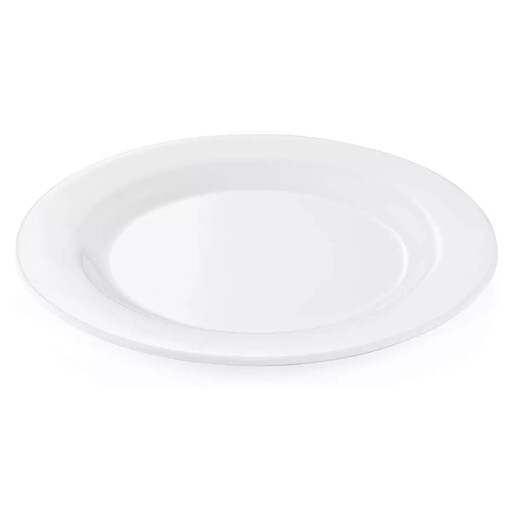
Why It Stands Out
This set gets straight to the point: it's simple, effective, and universal. With their standard 23 cm diameter, these transparent plates are suitable for everything, from a lunch in the garden to a child's birthday party. Their robust plastic makes them nearly immune to drops and easy for the whole family to handle.
Key Features:
Who is it for?
For families who want a simple, no-fuss solution for outdoor meals, barbecues, or as shock-proof everyday dinnerware.
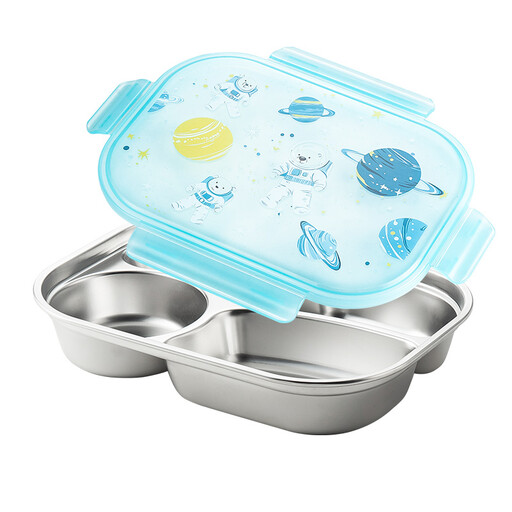
Why It Stands Out
With this model, Maxcook focuses on durability and clever design. Made from high-quality 316L stainless steel, renowned for its corrosion resistance, this plate is built to last a lifetime. Its practical compartments allow for neat separation of foods—a detail appreciated by both kids and adults who like an organised meal. The polypropylene lid with its four locking clips is the real bonus that makes transport easy.
Key Features:
Who is it for?
Camping and van life enthusiasts looking for ultra-reliable and durable dinnerware. It's also an excellent choice for parents seeking a fun and literally indestructible plate for their children.
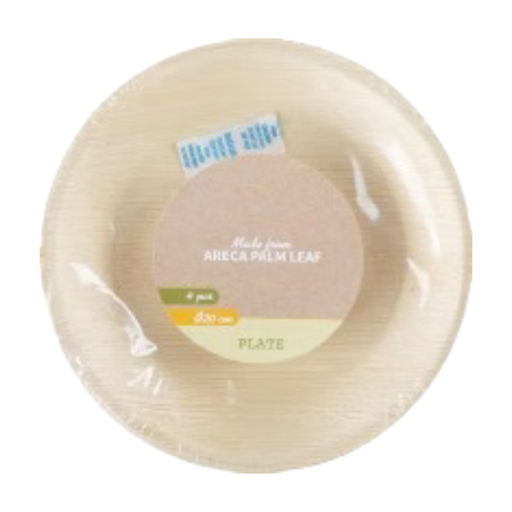
Why It Stands Out
Koopman offers a different approach here: disposable, yet responsible, tableware. Made from palm leaves, a natural and biodegradable resource, these plates are the perfect eco-friendly alternative to single-use plastic when washing up isn't an option. Their deep 20.5 x 3 cm format is ideal for holding salads, pasta, and saucy dishes.
Key Features:
Who is it for?
For those organising an event (a garden party, an outdoor wedding, a large picnic) and looking for a disposable solution that is both stylish and more planet-friendly than traditional plastic.
Our selection gives you a great starting point, but the world of picnicware is vast. To explore even more options—from technical models for camping to colourful designs for kids or innovative materials—feel free to browse our complete category.
Discover All Our Camping Plates
1. What's the difference between a reusable plastic plate and a melamine plate? Melamine is a plastic resin that closely mimics the look of ceramic. It is hard and resists scratches well, but it can crack or break on heavy impact, unlike a hard plastic plate (like polypropylene), which is more flexible. Another major difference: most melamine models are not microwave-safe.
2. Are hard plastic plates safe for your health? Yes, provided you choose them carefully. Within the EU, standards are very strict. Always opt for products guaranteed to be "BPA-free" (bisphenol A). It is also essential to follow the manufacturer's instructions (microwave use, washing temperature, etc.) for maximum safety.
3. How do I care for a reusable plate to maximise its lifespan? To ensure your reusable plate lasts as long as possible, a few simple steps are all it takes. Rinse it right after your meal to prevent food from drying on. For washing, follow the instructions: by hand with a soft sponge or in the dishwasher if the model is compatible. Avoid cutting directly on it with a steak knife to prevent scratching the plastic. Stainless steel is less fragile, but drying it well after washing will prevent unsightly limescale marks.