
Livraison le jour même ou le lendemain

Qualité garantie

Débloquez vos offres de bienvenue: Livraison GRATUITE | Jusqu'à -80 % | 30 jours d'essai gratuits à JoyPlus
Téléchargez l'application
By Joybuy, Your Product Recommendation Specialist | Published July 09, 2026
Dull hair, split ends, a straw-like texture… It's a nightmare many of us know all too well. Faced with an overwhelming number of options, finding the right repairing conditioner for damaged hair can feel like a real challenge. To help you navigate the choices, our guide breaks down the key criteria and presents our selection of the best treatments available today to help you rediscover vibrant, healthy hair.
Before you choose a product, it's crucial to understand what sets the best ones apart. Here are a few key points to guide you.
A conditioner's ingredient list is the heart of the matter. Certain active ingredients are particularly renowned for their benefits on fragile hair.
For a treatment for dry and damaged hair, it's best to opt for gentle, respectful formulas. A sulfate-free conditioner (especially one without SLS/SLES) will cleanse gently without stripping the protective hydrolipidic film from the hair. This is an even more important criterion for a conditioner for coloured hair, as it helps preserve colour vibrancy for longer.
A treatment that is too rich will weigh down fine hair, while a formula that is too light will have little effect on thick, very dry hair. Read the product descriptions carefully to check if it is recommended for your hair type. A good repairing treatment for split ends should be able to nourish the lengths without making the roots greasy.
Here are several products formulated to meet the needs of fragile hair, each chosen for its unique properties.
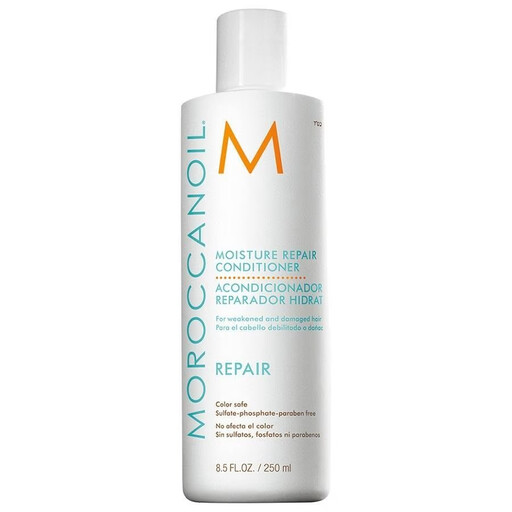
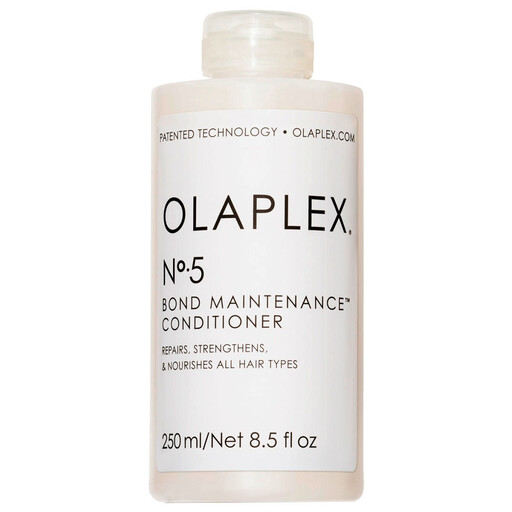
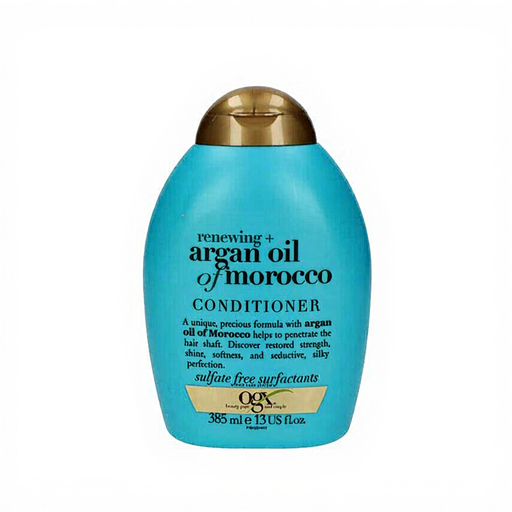
The quest for the perfect hair care product is a very personal one. If the products featured above don't seem right for you, or if you simply want to explore other options, many other solutions are available.
Discover our complete collection to find the product that will bring your hair back to life.
? Explore the Full Repairing Shampoo & Conditioner Category
1. What is the difference between a classic conditioner and a repairing conditioner?
A classic conditioner focuses on detangling, smoothing the hair cuticles, and providing surface-level hydration after washing. A repairing treatment goes a step further: it is formulated with higher concentrations of nourishing and fortifying active ingredients (keratin, proteins, ceramides) to target damage, fill in gaps in the fibre, and strengthen the hair from within.
2. Can I use a repairing conditioner every day?
It all depends on your hair type and the richness of the product. For very dry and damaged hair, daily use can be beneficial. For finer hair or hair prone to greasiness, 2 to 3 times a week will be more than enough to avoid weighing it down. The best advice: listen to your hair and adjust the frequency as needed.
3. How should I apply a repairing treatment for split ends?
After shampooing, gently towel-dry your hair (without rubbing!). Apply a small amount of product, focusing on the lengths and ends where the hair is most damaged. There's no need to apply it to the roots, as this can make them greasy. Leave it on for the time indicated on the packaging (usually 1 to 5 minutes) to allow the active ingredients to penetrate, then rinse thoroughly with clean water.