
Livraison le jour même ou le lendemain

Qualité garantie

Débloquez vos offres de bienvenue: Livraison GRATUITE | Jusqu'à -80 % | 30 jours d'essai gratuits à JoyPlus
Téléchargez l'application
Who can resist a warm, fluffy Chinese bun with a sweet, melt-in-your-mouth red bean paste filling? It's the ultimate comfort food. Perfect for a unique breakfast, an original snack, or a gentle dessert, the red bean bun has it all. The only catch: when faced with the frozen food aisle, it's hard to know which one to choose.
Don't worry. As experts in Asian cuisine, we've tested and reviewed the best options on the market for you. This guide provides all our tips for choosing the perfect frozen bun that will delight your taste buds, scrutinising flavour, texture, and ease of preparation.
To make the right choice, a few simple criteria are all you need to distinguish an excellent bun from a mediocre one. Here are the key points to check.
The quality of a steamed red bean bun lies first and foremost in its dough. A successful dough is pristine white, soft to the touch, and slightly elastic. When steamed, it should puff up into a light, fluffy cloud without ever becoming dry or sticky. The secret lies in the quality of the wheat flour and its proportions, which determine the unique texture of this Chinese red bean bread.
The heart of the bun is, of course, its filling. A quality dousha bao is distinguished by a filling made from real red beans. The paste should be smooth and creamy, with perfectly balanced sweetness: the sugar should enhance the bean's subtle, earthy flavour without overpowering it. The most refined recipes sometimes add a touch of complexity, such as citrus zest.
Not all buns are suitable for every occasion. The classic, round, and simple baozi is perfect for an on-the-go Chinese breakfast or a snack. Conversely, some creations like the peach-shaped longevity bun (shoutao bao) are reserved for special occasions. Given on birthdays, they symbolise health and prosperity. So, consider how you plan to enjoy them.
Now for our recommendations, featuring products with distinct profiles to satisfy every craving.
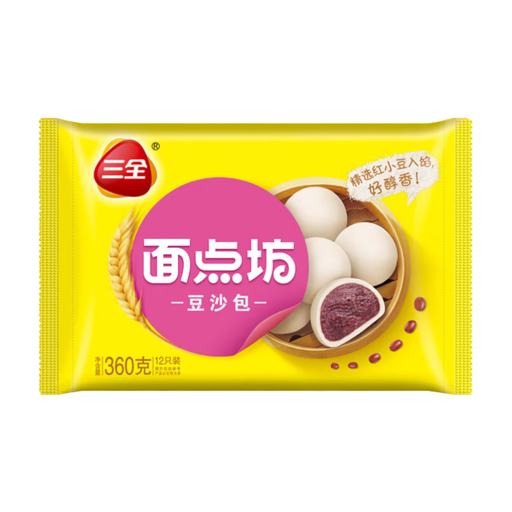
Why it stands out: This is the great classic, a reliable choice. This product embodies the traditional red bean bun in all its simplicity. It offers an authentic experience, ideal for those seeking the comforting taste of a no-frills sweet dim sum.
Advantages:
Who is it for? For purists and fans of tradition looking for a simple, comforting red bean bun that is true to the original. Perfect for breakfast or as a snack.
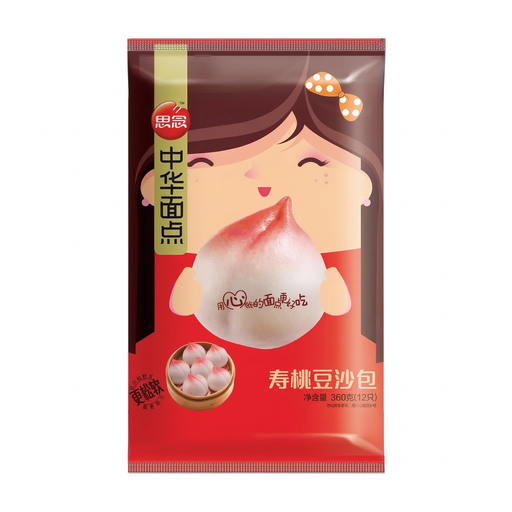
Why it stands out: You can't miss them! These buns stand out at first glance with their adorable peach shape, a powerful symbol of longevity in Chinese culture. They turn dessert into a meaningful gesture, perfect for special occasions.
Advantages:
Who is it for? For anyone who wants to make an impression at a birthday or celebration. It's the perfect way to add a cultural and symbolic touch to the meal while delighting your guests.
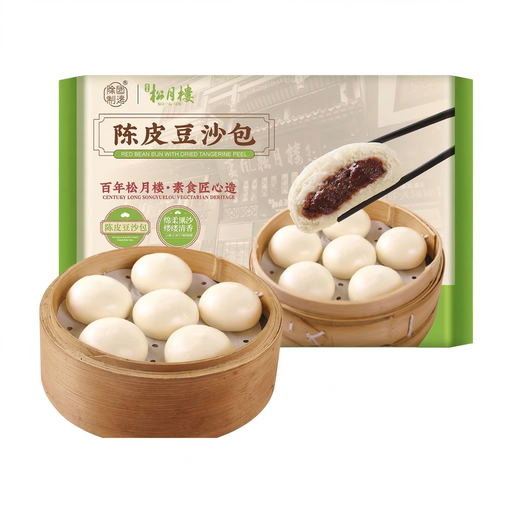
Why it stands out: This is the gourmet version that puts a twist on the classic recipe. By incorporating dried tangerine peel (chenpi) into the filling, it gains complexity. The result? A subtle citrus note and a refreshing aroma that awaken the taste buds.
Advantages:
Who is it for? For the curious and for gourmets who are familiar with the classic red bean bun and want to explore a more aromatic and refined variation.
Our selection highlights three very distinct profiles, but the world of red bean paste sweets is vast. Buns, mochi, cakes... If you're curious, feel free to browse our complete collection.
? Discover our full range of red bean paste products
1. How do you cook a frozen red bean bun? Steaming is the simplest and most effective method. There's no need to defrost the buns! Place them directly in a steamer basket over simmering water and cook for 8 to 10 minutes. The dough should be well-puffed and hot all the way through. Be careful not to overcook them, or they might lose their signature softness.
2. What is a dousha bao?Dousha bao (豆沙包) is simply the Mandarin name for the red bean bun. Dousha refers to the sweet red bean paste, and bao means "bun" or "bread roll". It's the authentic term for this sweet dim sum classic.
3. When is the best time of day to eat a red bean bun? Its greatest asset is its versatility! In East Asia, it's enjoyed warm for breakfast. But it's just as perfect as a snack during the day or as a light, comforting dessert to gently round off a meal.