
Livraison le jour même ou le lendemain

Qualité garantie

Débloquez vos offres de bienvenue: Livraison GRATUITE | Jusqu'à -80 % | 30 jours d'essai gratuits à JoyPlus
Téléchargez l'application
Between gym sessions and a hectic daily life, finding a snack that is convenient, delicious, and tailored to your fitness goals can be a real challenge. The protein bar has emerged as a go-to ally. But be warned, not all bars are created equal. Our mission? To guide you with clear, objective information, free from marketing jargon, to help you make the right choice.
This guide is designed to help you find the perfect bar for your needs, whether you're aiming for recovery, muscle gain, or simply a healthy and effective protein snack.
Before diving into our selection, let's review the key criteria that will guide your choice.
The crucial element of a protein bar for muscle building is, of course, its protein content. For effective support in recovery and muscle growth, a bar containing between 18 and 25 grams of protein is an excellent benchmark. Protein sources vary (whey, casein, soy, etc.) and offer different absorption rates. A high-protein bar is therefore particularly recommended as a post-workout snack to optimise muscle repair.
But a high protein content shouldn't overshadow the rest of the ingredients. Opt for a low-sugar protein bar to avoid blood sugar spikes and unnecessary calories. Take a close look at the ingredients list. The presence of fibre is a real bonus for satiety. As for polyols (sweeteners like maltitol), they reduce the sugar content but can cause digestive issues if consumed in excess.
Let's be clear: even the most perfect protein snack on paper will end up at the back of a drawer if it doesn't taste good. Textures vary widely: soft, crunchy, nougat-like, multi-layered... Here, it's all a matter of personal taste. A delicious chocolate protein bar transforms a simple snack into a genuine moment of pleasure, which is essential for sticking to your routine in the long run.
We have selected bars that stand out for their composition and benefits, catering to different profiles and objectives.
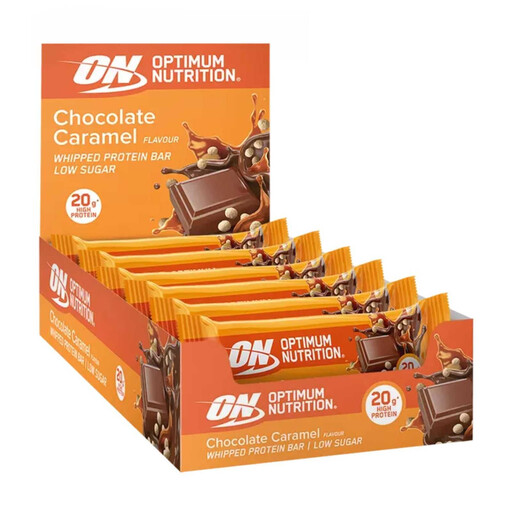
Why it stands out?: Its unique whipped texture makes it incredibly light and airy, a stark contrast to the often dense and chewy bars. A softer, more gourmet take on the protein snack.
The Pros?:
Who is it for?? For those who want a gourmet protein snack that isn't overly rich. Its lightness makes it a perfect snack for any time of day or after a moderate workout.
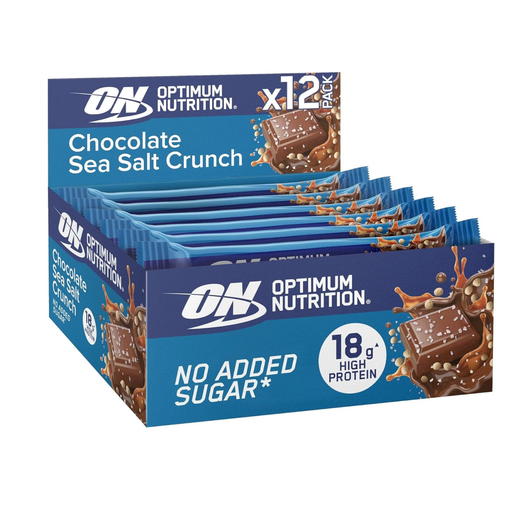
Why it stands out?: Its main strength is the interplay of textures. The combination of a soft core, crispy crispies, and a hint of sea salt creates a truly complete and satisfying mouthfeel.
The Pros?:
Who is it for?? For fans of complex textures and the famous chocolate-sea salt combination. An ideal protein snack to satisfy a craving without sacrificing nutritional intake.

Why it stands out?: With its XL size and massive protein content, this is the most substantial bar in our selection, designed for high energy needs.
The Pros?:
Who is it for?? Clearly aimed at athletes looking to bulk up or those with high caloric needs. It's the ultimate post-workout snack for replenishing energy.
Chocolate is a classic, but the world of protein bars doesn't end there. To mix things up and discover other delicious gems, feel free to explore our full catalogue.
Discover more chocolate protein bars
The difference is primarily nutritional. A protein bar is designed to maximise protein intake while limiting sugars. Conversely, a regular cereal bar is often high in carbohydrates and sugars for a quick energy boost, but its protein content is much lower.
No single food causes weight gain on its own; it's the overall daily calorie surplus that matters. Consumed wisely, a protein bar can be an ally: in a weight-loss diet, it helps with satiety; for muscle gain, it contributes to caloric and protein intake. It all depends on your overall diet and physical activity.
No, and it's not recommended. A protein bar is an excellent stop-gap, but it remains a dietary supplement. Nothing replaces a real meal, which provides a much greater wealth of vitamins and minerals. Think of it as an ideal protein snack or supplement, but not as a meal replacement.