
Livraison le jour même ou le lendemain

Qualité garantie

Débloquez vos offres de bienvenue: Livraison GRATUITE | Jusqu'à -80 % | 30 jours d'essai gratuits à JoyPlus
Téléchargez l'application
Whether you're a seasoned artist, an illustrator, or a dedicated hobbyist, choosing the right materials is a crucial step. High-quality professional colored pencils are the key to achieving vibrant hues and creating artwork that stands the test of time. But with an overwhelming number of options available, how do you navigate the choices and select the tool that will truly match your artistic ambitions?
This guide is here to shed some light. We've broken down the essential technical specs—cutting through the marketing jargon—to help you choose the professional drawing supplies that will elevate your art.
By our Joybuy product experts, July 5, 2026.
Before diving into our top picks, here are the three essential criteria to consider to make the right choice.
The lead is the heart of the pencil: its composition directly impacts the final look, layering capability, and the durability of your artwork.
For complex pieces requiring fine gradients and multiple glazes, oil-based colored pencils are the clear choice.
Lightfastness indicates a pigment's ability to retain its color when exposed to UV light. For artwork intended for display or sale, this is a non-negotiable criterion. Reputable manufacturers provide this information through rating systems (like stars or ASTM standards). Lightfast pencils ensure your creations won't lose their brilliance over the years.
Pigment concentration determines the intensity and vibrancy of the colors. A professional-quality pencil offers high pigmentation, meaning light pressure is enough to achieve a rich, deep color. A well-designed artist-grade colored pencil set isn't just judged by the number of shades, but by the relevance of its palette, offering the right balance of primary, secondary, and more subtle hues.
Here are a few products that caught our eye, each excelling in specific applications.
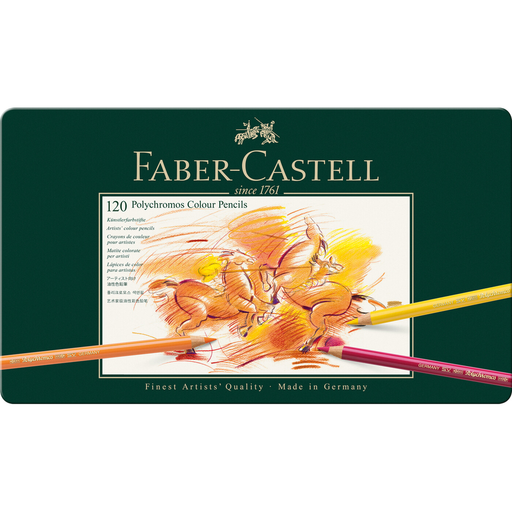
Why this set stands out: The Faber-Castell Polychromos line is the gold standard for many professionals. These pencils are formulated with a thick, 3.8?mm oil-based lead, allowing for smooth layering and incredibly fine gradients without any wax bloom. The high, acid-free pigment concentration ensures excellent lightfastness for most colors—a crucial feature for long-lasting artwork. The lead is also bonded along the entire length of the barrel (SV bonding process), making it highly break-resistant.
Highlights:
Best for: Professional artists, illustrators, and demanding creators looking for a reliable tool for detailed work and archival-quality pieces.
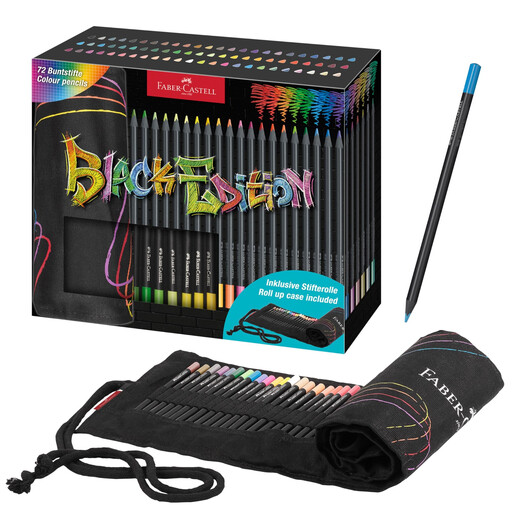
Why this set stands out: This set is distinguished by its SuperSoft lead, which provides an exceptionally smooth application and remarkable color brilliance, even on dark or colored paper. The triangular barrel of the pencils ensures an ergonomic grip, reducing fatigue during long drawing sessions. The 72-color selection includes neon and metallic shades, opening the door to unique creative effects.
Highlights:
Best for: Art students, advanced hobbyists, and artists who enjoy experimenting with strong visual effects and working on various colored media.
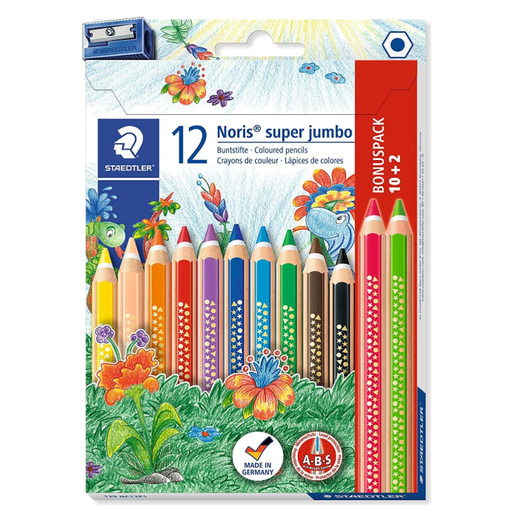
Why this set stands out: This product targets a very different audience. Designed for young children, these pencils feature an extra-wide barrel and a thick, break-resistant lead. The goal here isn't artistic finesse but an easy grip, durability, and safety, making it perfect for introducing the youngest artists to the joy of drawing with vibrant colors.
Highlights:
Best for: Exclusively for young children, preschools, or parents looking for a simple, safe, and durable first coloring tool. This is not a product intended for fine art practice.
This selection highlights products with distinct profiles. If your needs are different, or if you're simply curious to explore other lines, our full catalog is packed with alternatives.
Discover Our Full Range of Drawing Pencils
Oil-based colored pencils have a harder lead and allow for many layers without saturating the paper, which is ideal for fine gradients. Wax-based pencils are softer, lay down more pigment quickly, but can create a waxy film that prevents further layering.
To ensure your artwork lasts, use lightfast pencils on acid-free paper. Once the piece is finished, you can protect it with a UV-protective fixative and frame it under UV-resistant glass. Avoid displaying it in direct sunlight.
There's no single answer. A high-quality set of 24 or 36 colors is often sufficient to start, as the colors can be blended to create new shades. Larger sets (72, 120 colors, or more) offer convenience by providing direct access to a wider variety of hues, which can save professional artists precious time.