
Livraison le jour même ou le lendemain

Qualité garantie

Débloquez vos offres de bienvenue: Livraison GRATUITE | Jusqu'à -80 % | 30 jours d'essai gratuits à JoyPlus
Téléchargez l'application
Bloating, unpredictable digestion, a feeling of heaviness… If these issues sound familiar, you've likely heard of probiotics. These live microorganisms, true allies of our gut flora, promise to restore our digestive comfort. But with an overwhelming selection in pharmacies and online, it's easy to get lost and make the wrong choice.
The market is flooded with promises, but not all capsules are created equal. Between marketing hype and sometimes vague claims, it's hard to separate the wheat from the chaff. Before you start a course of probiotics, here are the pitfalls to avoid to ensure you're investing in a product that truly delivers on its promises.
Buying Probiotics: The 3 Pitfalls to Avoid
To make an informed choice, a few technical characteristics can help you distinguish the good from the not-so-good.
A healthy gut microbiome is a rich ecosystem of hundreds of species. A quality formula should mimic this complexity by combining several complementary strains, particularly from the Lactobacillus and Bifidobacterium families. Ensure the strains are precisely identified (e.g., Lactobacillus rhamnosus GG), which is a sign they have been clinically studied. This diversity allows the formula to target multiple aspects, from digestive comfort to strengthening the immune system.
While the race for billions of CFUs is a red herring, a minimum dose is still required to be effective. But what matters most is how these bacteria reach their destination. The non-negotiable criterion? A technology that protects them from stomach acid. Look for terms like "gastro-resistant capsules," "delayed-release," or specific patents that guarantee the live cultures arrive alive in the intestine.
This is the winning combination. The pairing of probiotics (the bacteria) and prebiotics (their food) is known as "synbiotic." These fibres (inulin, FOS, acacia fibre, etc.) are not digested by our bodies but serve as a feast for the good bacteria in the colon. A formula that includes prebiotics isn't just a "nice-to-have"; it maximises your course's chances of success by helping new bacteria to colonise and supporting those already present in your gut flora.
There's a solution for every profile. Here are a few options we recommend, chosen to meet distinct needs.

Why it stands out : Perfect for those who want a complete, no-fuss solution. This "all-in-one" formula aims for comprehensive microbiome support, targeting both digestive comfort and immunity.
It doesn't rely solely on CFU count. Its strength lies in combining 20 diverse strains with prebiotics (inulin and FOS)—the renowned synbiotic duo that feeds bacteria and facilitates their colonisation.
Complete synbiotic formula (probiotics + prebiotics).
Very high diversity with 20 strains and 77 billion CFUs.

Why it stands out : A formula designed for women that goes beyond simple digestive comfort. It includes ingredients known for urinary tract health and feminine balance, such as cranberry and D-mannose.
Thanks to its delayed-release capsules, it ensures that its 5 probiotic strains and plant extracts arrive intact in the intestine. The addition of prebiotics (inulin) further enhances this effectiveness.
Targeted 2-in-1 formula for women (digestive + urinary).
Combines probiotics, prebiotics, D-mannose, and plant extracts.
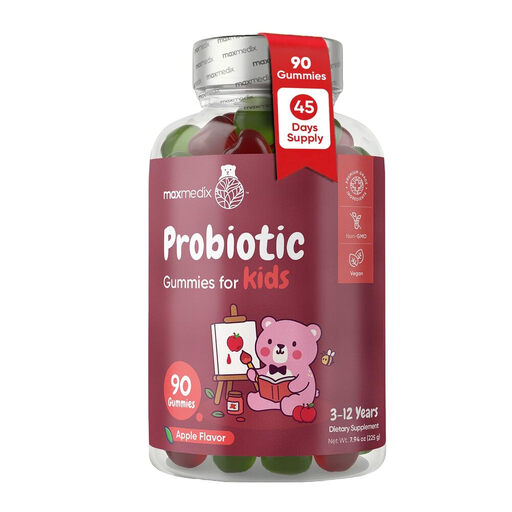
Why it stands out : The perfect solution for parents looking for an easy and fun probiotic for their children (ages 4+). No more struggling with capsules—these tasty, fruit-flavoured gummies turn taking probiotics into a treat.
The secret? The choice of the Bacillus Coagulans strain. Naturally robust, it withstands stomach acid without needing a protective capsule. This makes it ideal for a gummy format without sacrificing effectiveness.
Fun, kid-friendly gummy format.
Uses a naturally gastro-resistant strain (Bacillus Coagulans).
Explore our full selection of products approved by our editors, all meeting our quality standards and regulatory requirements.
Generally, a one to three-month course is a good starting point to give your gut flora time to rebalance. The ideal duration will depend on your needs and the specific product. It's always best to refer to the instructions on the packaging.
That's an old habit that's not always necessary anymore! Thanks to more stable strains and advanced protection technologies, most modern probiotics can be stored perfectly well at room temperature in a dry cupboard away from light. The only rule of thumb is to check the storage instructions on the product label.
It's actually highly recommended! Antibiotics are effective, but they can wreak havoc on the microbiome, destroying good bacteria along with the bad. Taking probiotics concurrently helps to limit the damage. The one golden rule: take the probiotics at least 2 to 3 hours apart from the antibiotic to prevent the latter from neutralising them. In any case, don't hesitate to ask your doctor or pharmacist for advice.