
Livraison le jour même ou le lendemain

Qualité garantie

Débloquez vos offres de bienvenue: Livraison GRATUITE | Jusqu'à -80 % | 30 jours d'essai gratuits à JoyPlus
Téléchargez l'application
A ray of sunshine, a lush green park, a basket full of treats... A picnic is one of life's simple pleasures, but it can quickly turn sour over one small detail: the wrong blanket. We've all experienced the frustration of damp grass seeping through the fabric, the discomfort of a rocky surface, or the headache of trying to fold up an enormous blanket.
Before you make a decision, let's break down the common marketing traps and design flaws that can turn an idyllic outing into a bad memory.
To make a smart purchase, it's essential to look beyond the patterns and focus on concrete technical criteria.
Choosing the right picnic blanket goes far beyond colour or size. Three technical parameters are crucial for guaranteeing comfort, durability, and convenience.
A truly waterproof picnic blanket relies on a multi-layer design. Don't be fooled by a single layer of polyester or acrylic. The secret lies in the bottom layer.
A good insulating ground mat doesn't just block moisture; it also protects you from the cold seeping up from the ground. This is a crucial detail for spring or autumn picnics, or for use when camping.
The ideal size depends on your needs. A large beach mat measuring 200 x 200 cm is perfect for a family of 4 to 6, while a more compact model will suffice for a couple. But be warned: a large size shouldn't mean a hassle to transport.
Rather than an endless list, we've selected products that meet specific needs. There's a solution for every profile.
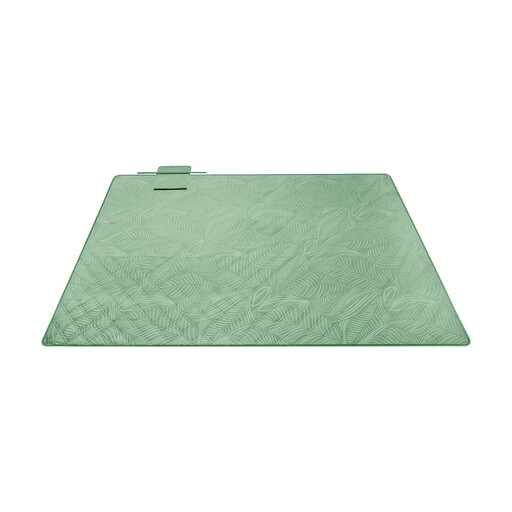
Why we love it: With its generous 200 x 200 cm dimensions, it comfortably accommodates 4 to 6 people. Its four-layer construction offers an excellent balance of comfort and durability, perfect for kids who love to move around.
Its aluminium film base ensures fail-safe waterproofing, while the sponge padding smooths out uneven ground. Folding is made easy with an integrated strap and handle.
4-layer structure for comfort and insulation; includes ground pegs for a perfect setup, even on windy days.
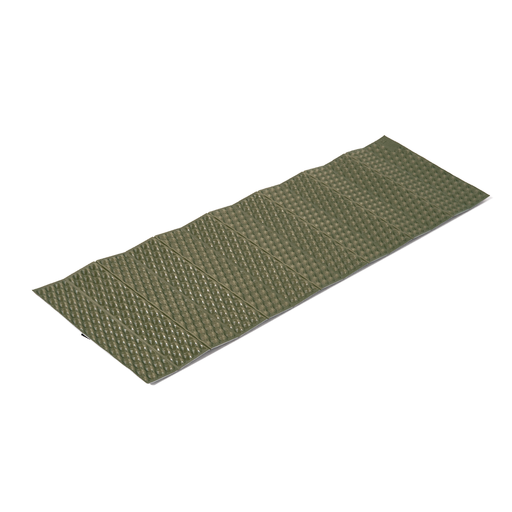
Why we love it: Designed for hiking and bivouacking, this folding mat is ultra-light (750 g) and compact. It's the perfect solution for one person looking for an insulating seat or spare sleeping pad to slip into their backpack.
It doesn't pretend to be something it's not. Its primary mission is insulation (R-value 2.6) thanks to its dimpled XPE foam, which provides thermal comfort far beyond that of a simple throw.
High-performance thermal insulation and a feather-light weight. Its surface is wear- and moisture-resistant, making it ideal for rugged terrain.
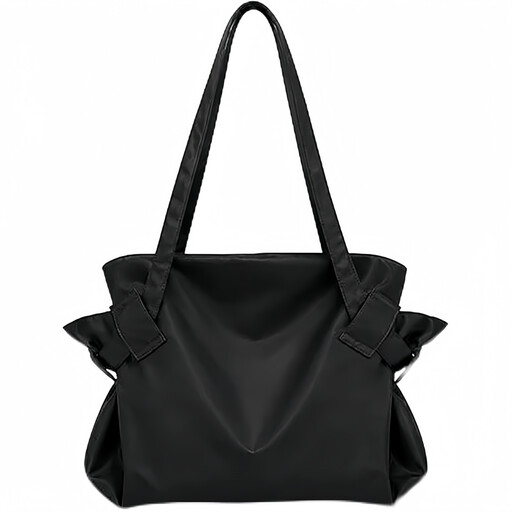
Why we love it: This clever item is the answer for city dwellers' spontaneous outings. It's a spacious tote bag that unfolds in the blink of an eye to become a 100 cm round ground mat.
It completely solves the portability problem: no more juggling a bag AND a blanket. Its waterproof material protects your belongings in bag mode and keeps you dry in mat mode.
Ultra-practical and versatile 2-in-1 design for the beach, park, or daily commutes. Lightweight and low-maintenance.
We have put together a complete selection of products that meet our quality criteria and current safety standards.
Most blankets with a PEVA or aluminium base can be cleaned with a simple wipe. For sand or crumbs, just shake it out. For stains, a damp sponge will do the trick. Some models are even machine washable at low temperatures, but always check the manufacturer's label to avoid damaging the waterproof layer.
Although they are sometimes confused, their designs are different. A picnic blanket prioritises a large, comfortable seating area with a pleasant fabric surface for eating. A camping ground mat, on the other hand, is all about being lightweight, compact, and, most importantly, providing thermal insulation (the famous R-Value) for sleeping outdoors. Of course, there are hybrid models that try to combine the best of both worlds.
Absolutely, provided you choose a model with a 100% waterproof base. Blankets with a bottom layer made of PEVA or aluminium film are specifically designed to block all moisture from seeping through. A simple cotton or polyester fabric, even a thick one, will eventually soak up water through capillary action. The key is to carefully check the composition of that crucial bottom layer.