
Livraison le jour même ou le lendemain

Qualité garantie

Débloquez vos offres de bienvenue: Livraison GRATUITE | Jusqu'à -80 % | 30 jours d'essai gratuits à JoyPlus
Téléchargez l'application
A cornerstone of Asian cuisine, pickled radish entices with its crisp texture and complex flavors, ranging from sweet and sour to spicy. Whether used as a garnish for sushi, to brighten up a bowl of rice, or simply as a unique appetizer, the sheer variety of choices can be overwhelming. From Japanese takuwan to spicy Chinese radish, each jar promises a unique taste experience.
This guide is here to provide clarity and help you find the perfect pickled radish for your cravings and recipes.
Before we dive into our selection, here are three essential criteria to keep in mind to make the right choice.
The country of origin of a pickled radish is an excellent indicator of its flavor profile.
The preparation method is key to the final texture. Radishes that are simply brined, like fresh daikon, remain full of water and offer that sought-after juicy, refreshing crunch. In contrast, radishes that are first dried and then rehydrated in their marinade develop a denser, firmer, and chewy texture that concentrates the flavors. The choice depends on your recipe: a crisp texture is perfect for sushi and salads, while a chewier texture works wonders as an Asian side dish (banchan) or a spicy snack.
Pickled radishes are available in different forms:
Consider your intended use. A large jar will be more economical for regular consumption, while small packets are perfect for a first tasting or an on-the-go snack.
We have selected four products that perfectly illustrate the richness of this ingredient, each with its own unique character.
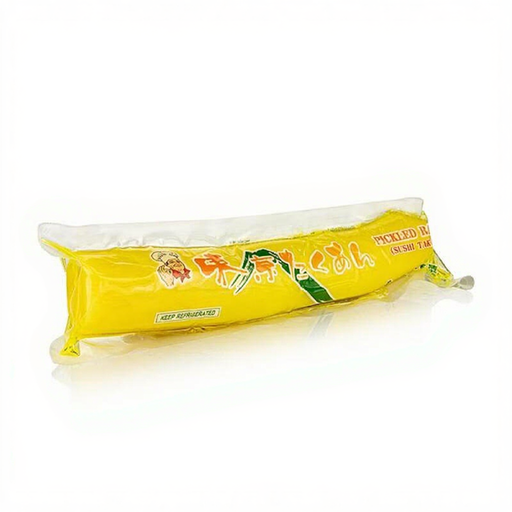
Why we love it: This is Japanese takuwan in all its glory. Its bright yellow color and perfectly balanced sweet-and-sour flavor make it a reliable choice for all your recipes.
Highlights:
Who is it for? For Japanese cuisine enthusiasts who make their own sushi, maki, and bento boxes. It's also excellent in thin strips in a salad or served as is for a touch of freshness.
Note?: Contains aspartame (a source of phenylalanine) and sulfites.
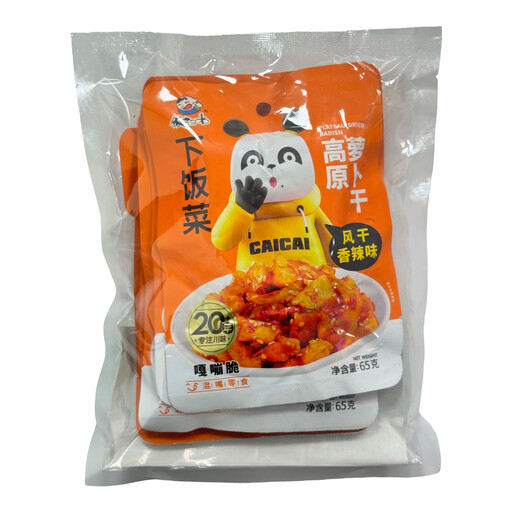
Why we love it: An intense flavor experience in an ultra-convenient, on-the-go format. The quintessential spicy Chinese snack.
Highlights:
Who is it for? For fans of bold flavors looking for a snack with a kick or a condiment to electrify a noodle dish or a simple bowl of rice. A heads-up for seasoned palates who aren't afraid of a little heat!
Note?: Contains sesame and sulfites.
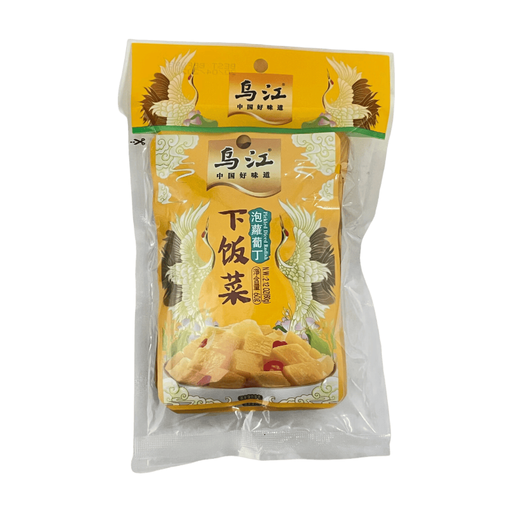
Why we love it: A controlled heat in an ultra-versatile diced format, ready to slip into any of your dishes.
Highlights:
Who is it for? The perfect option to easily add a touch of zest and crunch to your everyday meals. Its moderate heat makes it approachable for most palates.
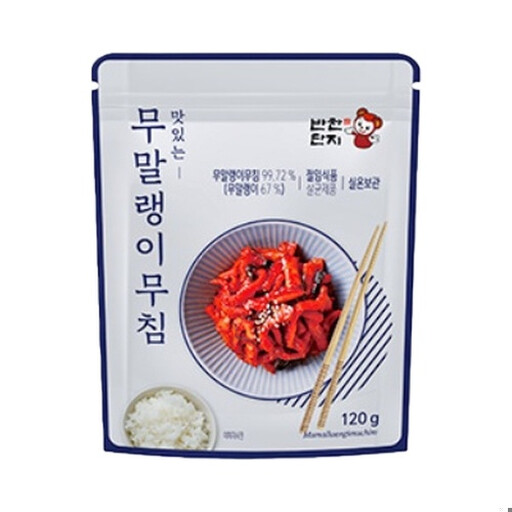
Why we love it: A classic Korean side dish (banchan). We love its chewy texture and complex flavor, which is at once sweet-and-sour and spicy.
Highlights:
Who is it for? For lovers of Korean cuisine in search of the authentic flavors of restaurant-style banchan. It's also an excellent gateway for those who appreciate chewy textures and sweet-savory-spicy profiles.
Note?: Contains sulfites.
The world of pickled vegetables is endless. If our selection has whetted your appetite but you haven't found your perfect match yet, or if you're simply in an exploratory mood, feel free to browse our full range.
Discover Our Entire Range of Spicy Pickled Vegetables
Q1?: What is takuwan?Takuwan is simply the Japanese name for pickled daikon radish. Traditionally, it is pickled in a mixture of rice bran, salt, and sugar, which gives it its characteristic sweet-and-sour flavor. Its bright yellow color, once obtained through fermentation, now most often comes from natural colorings like gardenia or riboflavin (E101). It is a star ingredient in sushi rolls, especially shinko maki.
Q2?: How should I store pickled radish after opening? Once the packet or jar is opened, pickled radish should be stored in the refrigerator in an airtight container. This is the best way to preserve its freshness, crunch, and flavors. A tip: always use clean utensils to serve yourself to avoid any contamination. Also, refer to the instructions on the packaging.
Q3?: Is pickled radish always spicy? Not at all! It all depends on the recipe and its origin. Japanese takuwan and its Korean cousin, danmuji, for example, are purely sweet-and-sour. Conversely, many Chinese specialties and some Korean recipes are intentionally very spicy, with a generous amount of fresh, dried, or paste-form chili. The easiest way is to read the product description carefully to know what to expect.