
Livraison le jour même ou le lendemain

Qualité garantie

Débloquez vos offres de bienvenue: Livraison GRATUITE | Jusqu'à -80 % | 30 jours d'essai gratuits à JoyPlus
Téléchargez l'application
Nothing elevates a simple pasta dish into an Italian delicacy quite like a good pesto sauce. But with so many options lining the shelves, choosing the right one can be overwhelming. From traditional pesto genovese to increasingly creative variations, how do you find the sauce that will make your meals sing?
This guide is here to help you navigate the choices. We'll decode the labels, explore the flavours, and present our top picks so you can buy pesto online with complete confidence.
Before you fill your shopping cart, here are the key things to check to ensure you make the right choice.
An authentic Italian pesto is based on a simple recipe that allows no compromise on the quality of its ingredients. For a true pesto genovese, here’s what to look for on the label:
While green basil pesto remains the gold standard, many variations exist to keep things interesting:
The final choice will depend on your dish and your mood!
To help you choose, we've reviewed three very popular products, each with its own distinct character.
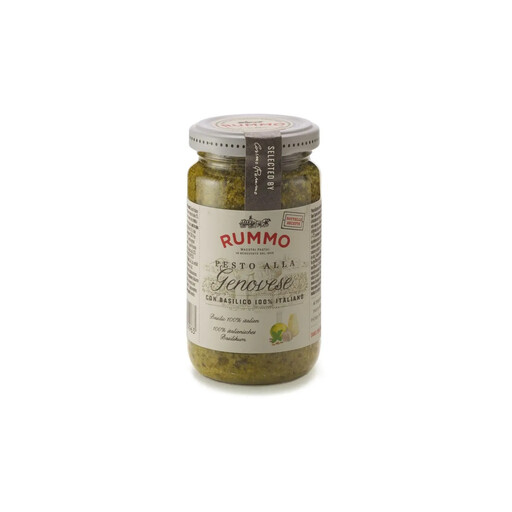
Why it stands out: This recipe follows the pure tradition of pesto genovese. It relies on quality ingredients, with 32% basil, extra virgin olive oil, and a duo of PDO Italian cheeses: Grana Padano and Pecorino Romano. The addition of pine nuts alongside cashews stays true to the spirit of the original recipe.
Advantages:
Who is it for? For purists and fans of bold flavours who are looking for a pesto with character that is faithful to the Genoa recipe.
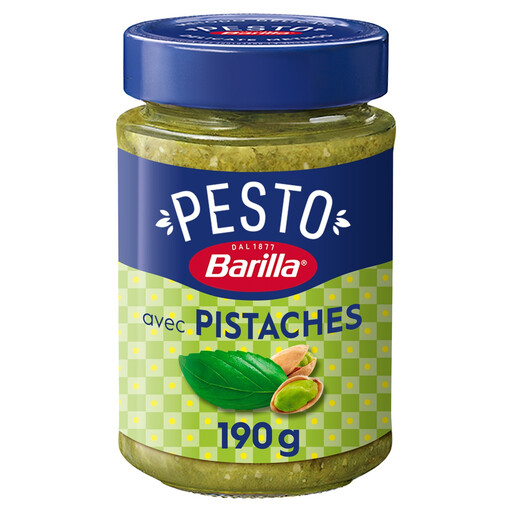
Why it stands out: The Barilla pistachio pesto is an original and refined alternative. The combination of basil (35%) and pistachios (8%) creates a surprising alchemy that is both herbaceous and incredibly decadent. A modern interpretation that thinks outside the box.
Advantages:
Who is it for? For the curious and food lovers who enjoy exploring new flavours and surprising their guests.
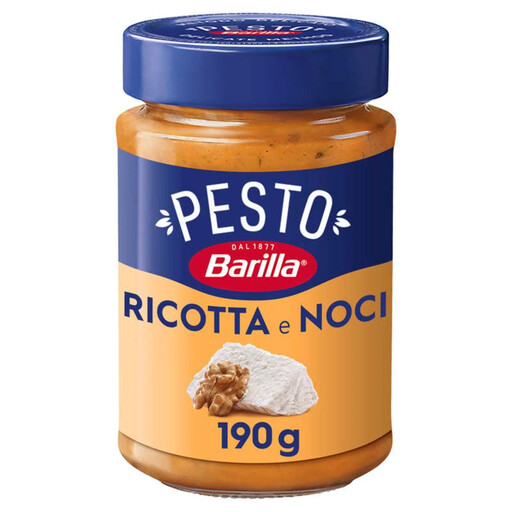
Why it stands out: Inspired by Southern Italian traditions, this ricotta and walnut pesto is distinguished by its incredible creaminess. The ricotta (20%) provides a wonderful smoothness, while the walnuts (5%) offer a crunchy and flavourful touch. Tomato pulp ties it all together with balance.
Advantages:
Who is it for? Ideal for those who prefer mild, creamy sauces. It's an excellent introduction to the world of pesto, perfect with stuffed pasta (ravioli, tortellini) or for more delicate palates.
Our selection is just a taste. To discover dozens of other sauces, from the most traditional to the most daring, feel free to browse our complete collection.
? Explore our full range of pasta and sauces
1. How do you properly use jarred pesto sauce? For the perfect pesto pasta sauce, the secret is to never cook it. After draining your pasta, save a small ladleful of the cooking water. Mix the pesto directly into the hot pasta, adding a little of the cooking water to thin the sauce and make it creamier. Pesto is also delicious on toast, in a sandwich, or to liven up a potato salad.
2. What is the difference between pesto genovese and other pestos? The pesto genovese is a protected recipe with a very specific composition: basil from Genoa, pine nuts, garlic, salt, Parmigiano Reggiano and/or Pecorino Romano, and olive oil. Other "pestos" (the word means "to pound" in Italian) can use a wide variety of ingredients: rocket instead of basil, walnuts or almonds instead of pine nuts, or even vegetables like tomatoes or artichokes.