
Livraison le jour même ou le lendemain

Qualité garantie

Débloquez vos offres de bienvenue: Livraison GRATUITE | Jusqu'à -80 % | 30 jours d'essai gratuits à JoyPlus
Téléchargez l'application
The secret to a great social hot pot or a comforting noodle dish often comes down to one key ingredient?: the sauce. At the heart of many Asian sauces is a dynamic duo: a creamy blend of peanut and sesame paste. But with so many jars on the shelf, how do you find the hidden gem that delivers that highly sought-after authentic flavour?? This guide is here to help you navigate the options and choose the perfect product for your needs, whether you're a hot pot aficionado, a noodle enthusiast, or simply a curious foodie looking for new tastes.
To make the right choice, a few simple criteria can guide your selection and ensure the perfect taste and texture for your dishes.
This is the number one criterion: the proportion of peanut to sesame. A peanut-dominant paste will offer a mild, rich flavour and a very creamy texture, often associated with satay sauce. Conversely, a high sesame content will bring deeper, more roasted notes and a characteristic slight bitterness, which is highly prized in Northern Chinese cuisine. A balanced blend, like a 50/50 sesame and peanut paste, proves to be incredibly versatile for many recipes.
An Asian peanut butter made for cooking differs from its Western counterparts in its composition. Look for short, simple ingredient lists: peanuts, sesame, and sometimes a little oil for texture. Some pastes are 100%?natural (only ground seeds), while others may contain sugar or salt. Texture is also a key point: a smooth paste will dissolve more easily to create a perfectly uniform peanut sauce for Chinese hot pot.
Your recipe will ultimately guide your final choice. For a peanut paste for noodles, like in the famous Dan Dan noodles, you'll want a paste that blends well with broth, chilli oil, and soy sauce. For hot pot, a creamy and flavourful base is essential. Brands like Haidilao offer blends specifically formulated for this purpose, such as the very convenient Haidilao sauce.
We've selected a few gems for you, each with its own unique qualities to meet every need.
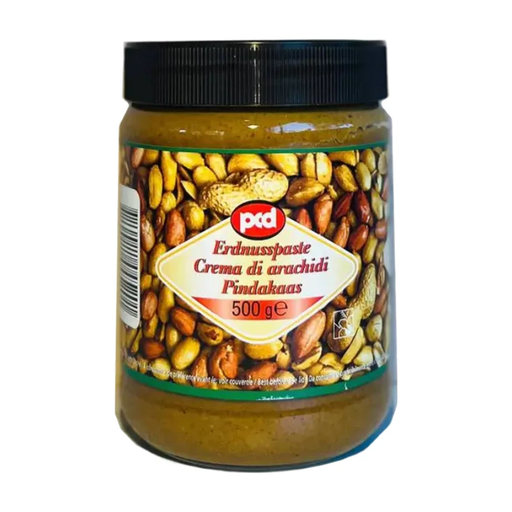
What sets it apart: This peanut butter is made from Tasmanian peanuts (Australia), which are rich in oleic acid. With 90%?peanuts, its clean ingredient list makes it a high-quality base for multiple uses, far beyond just Asian cuisine.
Highlights:
Who is it for? For those looking for a high-quality, high-protein, and versatile peanut butter that is equally at home in Asian recipes and for everyday use.
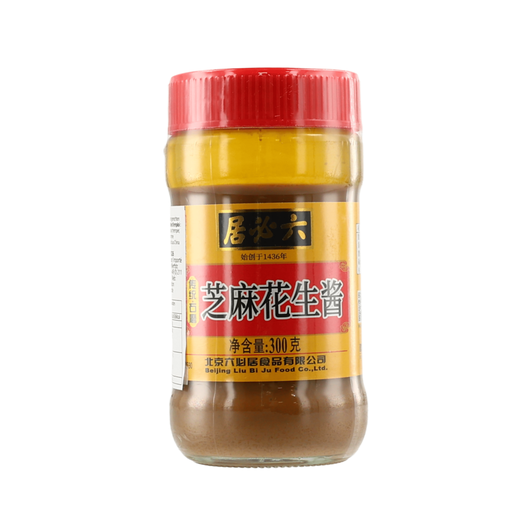
What sets it apart: With a heritage dating back to 1436, Liubiju is a true institution in China. This paste embodies that tradition with a perfectly balanced blend of 50%?sesame and 50%?peanuts, ground using time-honoured techniques to preserve all the natural aromas.
Highlights:
Who is it for? For fans of authentic Chinese cuisine looking for a balanced sesame and peanut paste that is true to traditional flavours.

What sets it apart: From Haidilao, the famous restaurant chain specialising in Chinese hot pot, this paste is designed to help you recreate the authentic restaurant experience at home. Its ratio of 80%?peanut butter and 20%?sesame paste is optimised for hot pot.
Highlights:
Who is it for? For die-hard hot pot fans who want a quick and easy solution for preparing an authentic, tried-and-tested peanut sauce for Chinese hot pot.
If your love for peanuts isn't limited to savoury dishes, why not indulge in its sweet variations? For a 100%?indulgent break, many confections also put peanuts in the spotlight.
Discover our range of Peanut Butter Candies for a touch of sweetness.
To achieve a sauce-like consistency, simply thin out the paste gradually with a warm liquid, whisking vigorously to prevent lumps. You can use water, chicken or vegetable broth, or even the broth from your hot pot. For even more flavour, feel free to add soy sauce, rice vinegar, sesame oil, or minced garlic.
Asian peanut butter is generally less sweet and salty than its Western counterparts. Its texture, which is often more fluid, is designed to be incorporated into sauces rather than just for spreading. It can also be made from peanuts that are roasted differently, giving it a distinct aroma.
Absolutely. A peanut and sesame paste makes an excellent base for a satay sauce, with the sesame flavour adding a welcome complexity. For a classic satay sauce, you just need to add the typical ingredients: coconut milk, curry paste, lime juice, fish sauce, and a hint of chilli.