
Livraison le jour même ou le lendemain

Qualité garantie

Débloquez vos offres de bienvenue: Livraison GRATUITE | Jusqu'à -80 % | 30 jours d'essai gratuits à JoyPlus
Téléchargez l'application
Finding the right p?té online can sometimes feel like a daunting task. Between traditional recipes, convenient everyday options, and specialities from around the globe, the selection is overwhelming. So, how can you navigate this landscape and find the perfect product to meet your needs, whether it's for drinks with friends, a quick meal on the go, or a specific recipe?
This guide is here to help. Our mission: to give you all the tools you need to make the right choice, with complete objectivity. We'll break down the different types of p?tés and meat preparations, analysing their strengths to ensure your next purchase is a success.
Before we reveal our top picks, here are the key points to consider to refine your search and get it right.
The ingredients list is your best friend. It tells you about the type and proportion of meat used. A traditional country-style p?té will feature pork and pork liver, while a poultry terrine will offer a more delicate flavour. Pay close attention to the origin of the meat, a mark of transparency often highlighted by producers. The presence of additives, binders (like starch), or flavour enhancers is also crucial information for assessing the true quality of the product.
How you plan to use it will determine the most suitable format.
The world of p?té is a fantastic culinary playground. If you follow a specific diet, certification is a prerequisite. This is the case for halal luncheon meat, which guarantees that preparation methods are followed. Similarly, if you're looking to recreate an authentic recipe like a Banh Mi, choosing a specific Vietnamese pork p?té is the key to achieving a result true to the original.
Here is a selection of three very different products, chosen to illustrate the richness of the online offering.
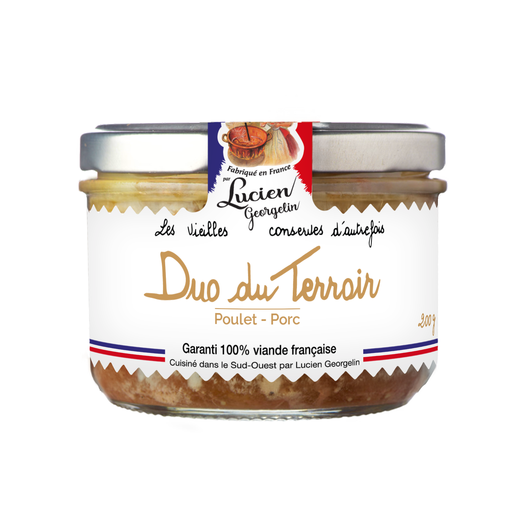
Why we chose it: This p?té embodies the tradition of South-West France. Crafted by LUCIEN GEORGELIN, it combines poultry and pork in a rustic and flavourful recipe. Its composition highlights a generous portion of poultry meat (46?%) and pork neck (13?%), all enriched with poultry liver and a touch of duck fat for an exceptionally smooth texture.
Key features:
Who is it for? For lovers of authentic charcuterie looking for the flavours of a traditional country-style p?té to enjoy on a slice of fresh bread.
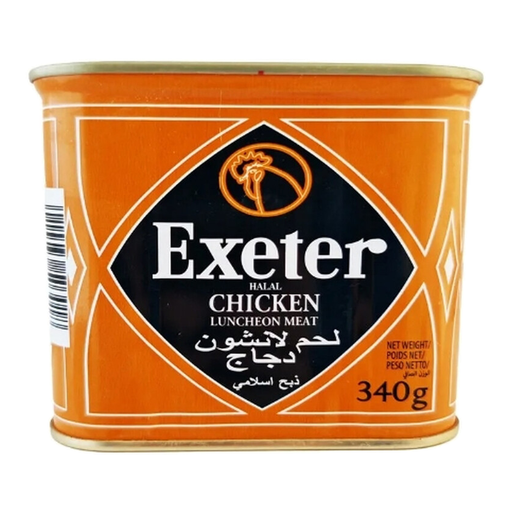
Why we chose it: Exeter's Luncheon Meat is the canned meat solution designed to combine simplicity and speed. Made with 80% mechanically separated chicken meat, it is Halal certified, thus meeting a specific dietary requirement. Its very long shelf life makes it a pantry essential.
Key features:
Who is it for? Ideal for families and individuals looking for a versatile halal luncheon meat option to quickly prepare sandwiches, salads, or simple dishes without compromising on their dietary requirements.
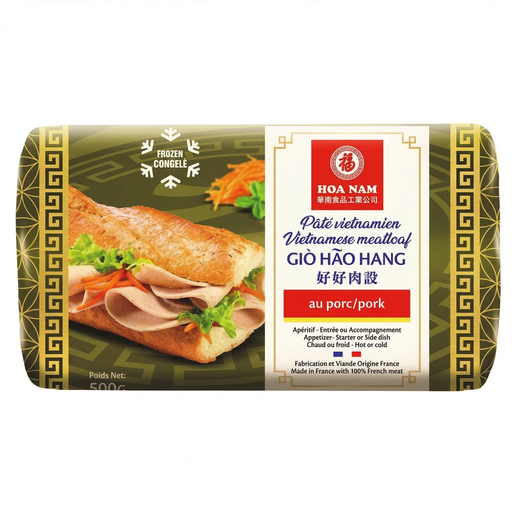
Why we chose it: This HOA NAM product is an authentic Vietnamese pork p?té (Giò L?a or Ch? L?a), a cornerstone of Southeast Asian cuisine. Its unique feature? A texture that is both firm and springy, achieved through a special recipe. It is made with 70% pork sourced from France, a notable mark of quality for this type of specialty.
Key features:
Who is it for? For world cuisine enthusiasts and anyone who wants to recreate authentic Vietnamese recipes at home. It's also an excellent opportunity to discover a new side of charcuterie.
Our selection is just a glimpse, as the world of p?té is much more vast. Many recipes showcase specific meats with unique textures and flavours.
If you are particularly tempted by duck, chicken, or turkey specialties, we invite you to explore our complete poultry p?té category to discover other hidden gems.
1. How should I store p?té once the jar or tin is opened? As a general rule, an opened p?té should be stored in the refrigerator in an airtight container. It is advisable to consume it within 2 to 3 days to preserve its freshness and taste. Always refer to the instructions on the packaging.
2. What is the difference between a p?té and a terrine? Originally, the term "p?té" referred to a meat preparation cooked in a pastry crust (like a p?té en cro?te). Today, it more broadly covers preparations made from minced meat, cooked in a mould. A "terrine," on the other hand, gets its name from the earthenware dish in which it was traditionally cooked. In common usage, the two terms are often interchangeable, although a poultry terrine generally suggests a slightly coarser, more rustic texture than a fine p?té.
3. Can you freeze p?té? Freezing is possible for many p?tés, but it can alter their texture, especially for recipes high in fat or aspic. Fine-textured p?tés may become grainier after thawing. Some products, like the HOA NAM pork p?té, are sold frozen, and it is not recommended to refreeze them. For canned products, it is best to consume them without freezing.