People who mainly reheat meals
If you often eat leftovers, ready meals or frozen food, reheating and defrosting matter more than oven-style cooking modes.


If you mainly reheat and defrost meals, choose a standard microwave. A model with a grill is also useful if you occasionally want to brown or crisp the top of a dish. A combi microwave is a good choice if you want one appliance for these tasks and some oven-style cooking, while a freestanding mini oven is better suited to recipes that need oven cooking. In a studio flat, check the available space, the clearances specified in the manual, the electrical connection and the size of the dishes you use before you buy.
If you often eat leftovers, ready meals or frozen food, reheating and defrosting matter more than oven-style cooking modes.
If you regularly make gratins, pizzas or cakes, look at the cooking modes and the cavity dimensions. The capacity in litres alone won’t tell you whether your dishes will fit.
If you want to keep the number of appliances to a minimum, consider a combi microwave if you’ll genuinely use its oven-style cooking functions. You’ll still need to check its size and installation requirements.
If your studio flat doesn’t have a conventional oven, start with the food you actually cook. The functions you need will differ depending on whether you’re reheating a meal, browning a dish, cooking a pizza or using a hob.
Choose this: if reheating and defrosting cover most of your needs.
Downside: it won’t brown food or replace oven cooking.
Choose this: if reheating is still your priority, but you’d like to brown or crisp food occasionally.
Downside: a grill alone isn’t the same as a fan oven cooking mode.
Choose this: if you want one appliance for reheating and some oven-style recipes.
Downside: cooking modes and space requirements vary by model. Check the functions carefully before deciding you don’t need a separate oven.
Choose this: if pizzas, baking or roast dishes are a regular part of your meals.
Downside: it won’t replace a microwave for reheating or defrosting.
Consider this: if you also need to cook in a frying pan or saucepan because you don’t have a hob.
Downside: the hotplates mean you’ll need to check the location and electrical connection carefully.
| Need | What to check | Who it suits |
|---|---|---|
| Reheating and defrosting | Defrost function and enough room in the cavity for your plates. | Most of my meals are already cooked or frozen, so I mainly want to prepare them without using an oven mode. Around 31% of consumers prioritise this need. |
| Occasional browning or crisping | Check that it has a grill and which accessories and containers are permitted in each mode. | I reheat meals every day, but would sometimes like to brown the top of a dish without buying a mini oven. This is the top priority for around 23% of consumers. |
| Oven-style cooking | Check the available cooking modes and whether the internal dimensions will accommodate your tins, pizzas or dishes. | I don’t have a built-in oven and regularly make recipes that involve more than just reheating. Oven-style cooking is the top priority for around 31% of consumers. |
| Cooking on hotplates | Check that the hotplates suit your needs, along with the total power and the manufacturer’s connection requirements. | If I don’t have a working hob, I also need to be able to boil food or cook in a frying pan. Around 15% of consumers put this capability first. |
The stated capacity doesn’t tell you whether your plate, baking tin or pizza will fit. For example, Severin says that pizzas or tins up to 30 cm will fit the TO 2067, which has a capacity of around 20 L. This information applies to that specific model.
Measure the dishes you use, then compare their dimensions with the cavity and turntable, or check the sizes allowed in the manual.
If you mainly need to reheat and defrost, you may not use the grill or oven modes. UFC-Que Choisir distinguishes these functions from those of a standard microwave.
Think about the meals you usually make. If you don’t brown food or cook oven-style recipes, start by comparing standard microwaves.
Whirlpool advises that the vents on its microwaves must not be blocked. The clearances and installation requirements must be those specified in the manual for the model you choose, not a different one.
Measure your worktop before buying, choose a stable surface and make sure the specified clearances around the appliance will remain unobstructed.
A container suitable for microwave use isn’t necessarily suitable for the grill or oven. The DGCCRF advises that containers must be used according to their instructions. Anses also highlights the increased risk of substances migrating from certain food packaging when it’s heated in a microwave at too high a power setting.
Read the container’s instructions and check separately whether it’s suitable for microwave, grill and oven modes. Follow the guidance on power and cooking time too.
The freestanding microwave range includes standard, grill and combi models.
The Optimo mini oven range is designed for oven-style cooking in a freestanding format.
Severin’s range includes microwaves, mini ovens and a compact oven with integrated hotplates.
These models are mainly suited to reheating in a small home. Microwaves with a grill also let you brown or crisp food. If your meals regularly need oven or hob cooking, compare the relevant options described above instead.
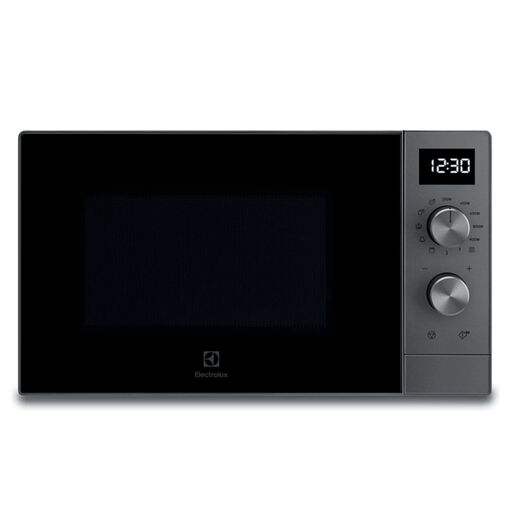 Image unavailable
Worth considering if you want a microwave with a grill for reheating and occasional browning.
The listing states a capacity of 25 L and a power rating of 900 W. Before deciding where to put it, check the dimensions, clearances and electrical connection requirements in the manual.
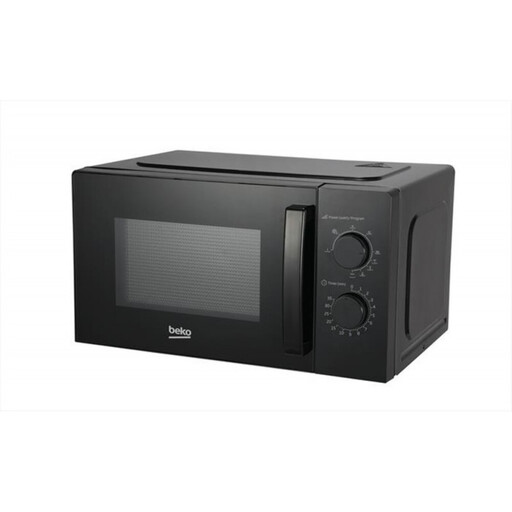 Image unavailable
An option to consider if you mainly reheat meals but would also like to brown food occasionally.
The listing states a capacity of 20 L and a power rating of 700 W. Check that your dishes will fit and follow the manual’s installation and connection instructions.
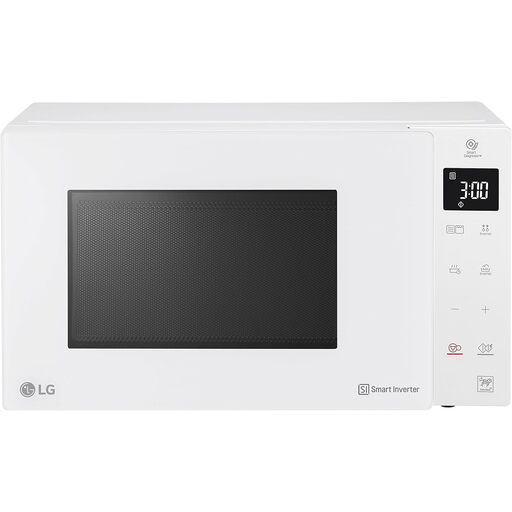 Image unavailable
Compare it with other grill models if you’d use this feature as well as reheating food every day.
The listing states a capacity of 25 L and mentions a digital display. Check the usable space for your dishes, the clearances and the model’s electrical requirements.
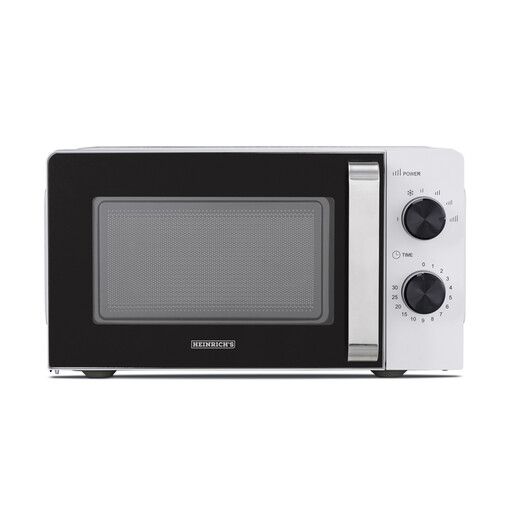 Image unavailable
Worth considering if reheating and defrosting matter more to you than browning food or oven cooking.
The listing mentions six power levels, a 30-minute timer and a defrost function. Check the space needed for ventilation and make sure your plates fit on the turntable.
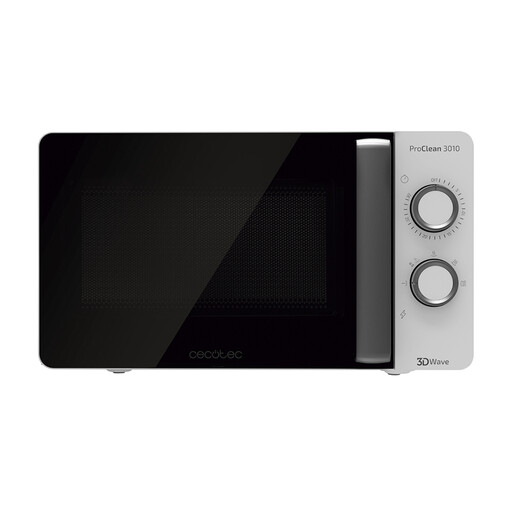 Image unavailable
Worth a look if you’re mainly after an appliance for reheating meals.
The listing states that it has six power levels. Measure the space you have in mind and check the manual for the dimensions, clearances and connection requirements.
Yes, if those are the main things you use it for. Make sure the cavity is large enough for your plates, though. A grill is only useful if you also want to brown or crisp food.
It can handle some oven-style recipes if the model has the right cooking modes. For your usual pizzas, tins or dishes, compare the internal dimensions and cooking modes with those of a freestanding mini oven too.
No. You must follow the instructions for the model you choose. Use a stable surface and leave the specified clearances. Whirlpool, for example, reminds users not to block the ventilation openings on its appliances.
Not necessarily. It depends on the appliance and your existing installation. Check its connection requirements against the available socket. If you’re unsure whether the circuit is suitable or think changes may be needed, ask a qualified professional for advice before plugging in the appliance.
Only if the container’s instructions say it’s suitable for both modes. The DGCCRF recommends following the instructions for use. For microwave-safe packaging, also follow the guidance on power and cooking time, in line with Anses’ warning about heating food too intensely.