
Livraison le jour même ou le lendemain

Qualité garantie

Débloquez vos offres de bienvenue: Livraison GRATUITE | Jusqu'à -80 % | 30 jours d'essai gratuits à JoyPlus
Téléchargez l'application
Tired of plastic containers that stain at the first sign of tomato sauce, warp in the microwave, or end up with a musty smell?? Switching to glass is the solution for a healthier, more organised kitchen. An oven-safe glass food container is a true Swiss Army knife: it allows you to prep, cook, store, freeze, and reheat, all in a single dish.
But be warned, not all glass containers are created equal. Between thermal shock resistance, lid airtightness, and the quality of the glass itself, the choice can quickly become a headache. This guide is here to shed light on the criteria that truly matter and to present our selection of the best models for a purchase you won't regret.
Before taking the plunge, here are the essential points to check for a hassle-free purchase that combines safety and practicality.
For a dish that goes in the oven, resistance to temperature changes is non-negotiable. This is where borosilicate glass makes all the difference. Unlike standard soda-lime glass, it is designed to withstand significant thermal shocks. In practical terms, this allows you (with a few precautions) to move your dish from the refrigerator to the oven. Opting for a borosilicate glass food container is an investment in durability and safety, virtually eliminating the risk of your dish cracking in the middle of cooking.
The effectiveness of an airtight glass food container depends entirely on its lid. Favour locking systems with clips on all four sides, equipped with a silicone seal. This is the winning combination for a foolproof seal, which is essential for?:
Also, remember to check if the lid is microwave-safe (usually via a vent that can be opened) and dishwasher-safe for hassle-free cleaning. Crucial point?: plastic lids NEVER go in the oven.
The real advantage of a good glass oven dish is its ability to see you through from start to finish. Make sure the model you're considering is explicitly compatible with?:
This all-in-one versatility means fewer utensils to pull out, simplified organisation, and ultimately, less washing up.
We have selected models for you that check all the boxes?: quality, safety, and versatility.
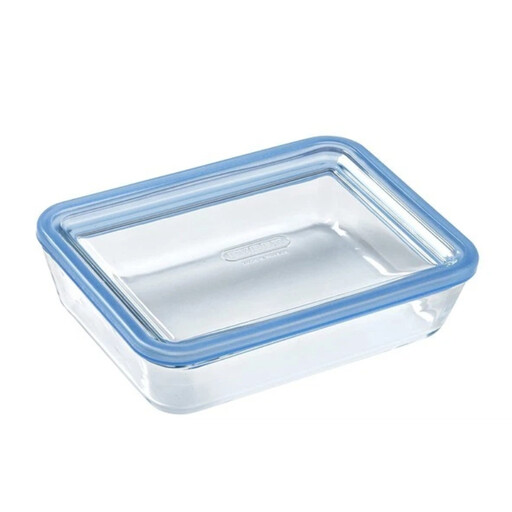
Why This Model Stands Out
Pyrex is the benchmark brand, and this rectangular dish is a perfect example of why. It focuses on the essentials?: reliability. Its borosilicate glass, made in France, is designed to last and withstand intensive use. A timeless and effective classic for everyday cooking.
Advantages
Who Is It For?? Perfect for singles or couples who cook individual portions. It's the ideal glass meal prep container for taking lunch to the office or storing leftovers.
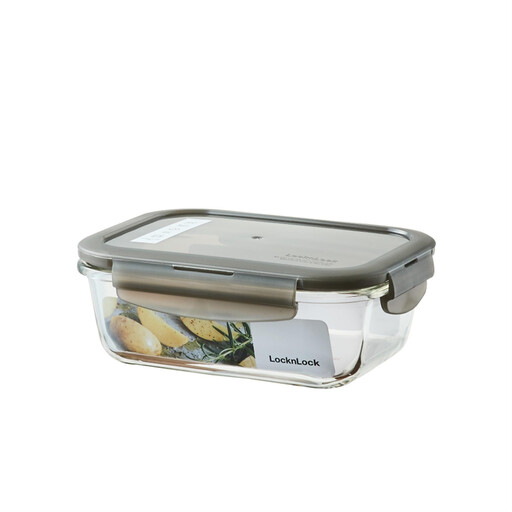
Why This Model Stands Out
The focus here is on a completely leak-proof seal. This model from the Boroseal range (by Lock&Lock) combines a 4-clip locking system with a removable silicone seal. The result?: an airtight glass food container that will never let you down, even with soup.
Advantages
Who Is It For?? Perfect for those who regularly transport their meals, especially soups, salads with dressing, or saucy dishes. Its compact size is well-suited for lunch portions.
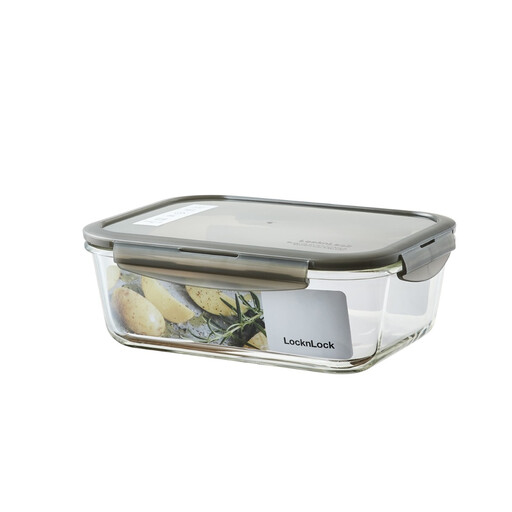
Why This Model Stands Out
It's the same great features, but in an XXL size. This model incorporates the strengths of Lock&Lock's Boroseal range with a generous 2-litre capacity. It's perfect for family-sized dishes like gratins, lasagnas, or roasts. This is the ultimate versatile glass oven dish for thinking big.
Advantages
Who Is It For?? A must-have for families, fans of Sunday batch cooking, and anyone who likes to cook in large quantities to plan meals for the week.
Our selection highlights versatile models in various sizes. If you need round shapes, complete sets, or other capacities, many other solutions are available.
? Discover our full range of glass storage containers for the refrigerator
This is a very bad idea. Even ultra-resistant borosilicate glass can crack under a sudden and extreme thermal shock (the abrupt change from cold to hot). The best practice?: always let your dish return to room temperature for about fifteen minutes before putting it in the oven. Likewise, never place a hot dish on a cold or wet surface.
Soda-lime glass is the standard glass used for our drinking glasses or bottles. Its weakness?? It hates sudden temperature changes. Borosilicate glass, on the other hand, is enriched with boron trioxide. This addition gives it a very low thermal expansion. It is this property that allows it to withstand large temperature differences and makes it THE gold standard material for an oven-safe glass food container.
No, NEVER. Plastic lids, even the most robust ones, are designed for the fridge, freezer, and sometimes the microwave (with the vent open). In a conventional oven, they would melt, warp, and could release harmful substances. For oven cooking, only the glass dish is permitted.