
Livraison le jour même ou le lendemain

Qualité garantie

Débloquez vos offres de bienvenue: Livraison GRATUITE | Jusqu'à -80 % | 30 jours d'essai gratuits à JoyPlus
Téléchargez l'application
Lighting up your garden, patio, or a simple pathway isn't just about aesthetics. It's also a matter of everyday safety and comfort. The catch? Installing a traditional wired system often turns into a headache: digging trenches, running cables, and a skyrocketing electricity bill.
This is where the outdoor solar light comes in. It has quickly established itself as the smart alternative: self-sufficient, cost-effective, and much more environmentally friendly. But with an overwhelming number of options, how do you make the right choice? We'll guide you step-by-step to find the perfect model and light up your nights without the hassle.
Before you settle on a model, a few technical points deserve your attention. These are what will guarantee the efficiency and longevity of your setup.
The Ingress Protection (IP) rating is the ID card for your light's durability. It indicates its level of sealing against solids (dust) and liquids (rain). For outdoor use where the weather can be unpredictable, an IP44 rating is the bare minimum (protection against water splashes). For a setup that's more exposed to the elements or installed at ground level, aim for an IP65 rating or higher. This ensures complete protection against dust and powerful water jets.
The performance of a powerful solar light depends on three inseparable components:
For decorative pathway lighting, a few dozen lumens will do the trick. However, to secure a walkway or an entrance, a solar floodlight with a motion detector offering several hundred lumens is a must.
Wireless solar lighting comes in several forms, each designed for a specific purpose:
To move from theory to practice, here are three models that caught our eye. Each one meets a specific need and perfectly illustrates the criteria we've just discussed.
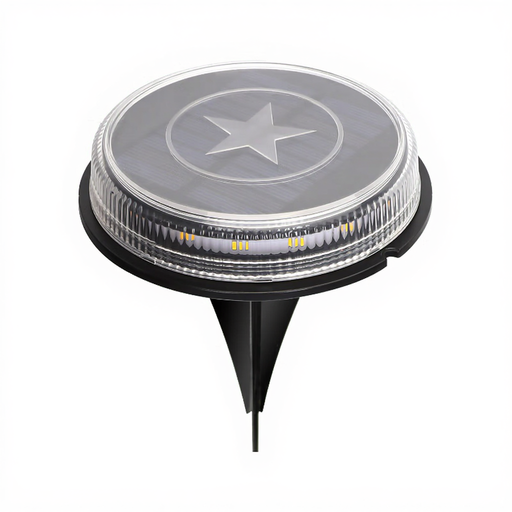
Why it stands out: The Aigostar light surprises with its flat design and rock-solid durability. Designed to be recessed or placed on the ground, it's built to withstand the weight of a car, making it ideal for driveways. Its IP66 rating ensures maximum weatherproofing.
Key benefits:
Best for: The ideal solution for marking a driveway, patio, or path without creating an obstacle, all while focusing on long-term durability.
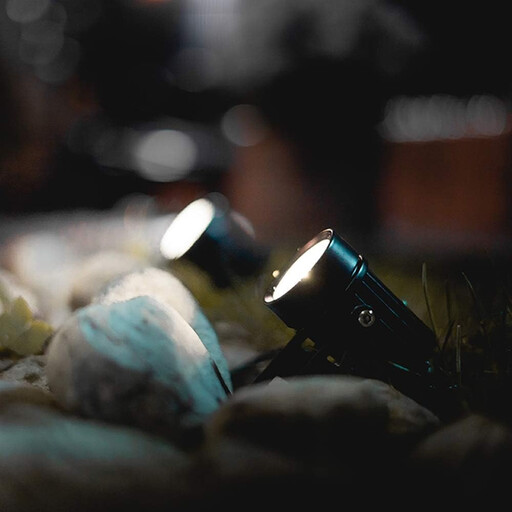
Why it stands out: The strength of the ezilight Solar MultiSpot is its modularity. It consists of several adjustable spotlights, all connected to a single, separate solar panel. This clever setup allows you to place the panel where it gets the most sun, while positioning the spotlights in shadier areas for pinpoint illumination.
Key benefits:
Best for: Perfect for gardening enthusiasts and budding decorators who want to sculpt with light and highlight their plants, a facade, or a statue with pinpoint accuracy.
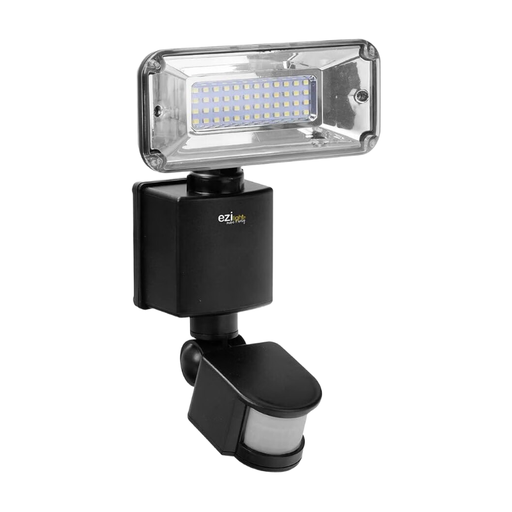
Why it stands out: The Solar Pro 1 gets straight to the point: security. This solar floodlight with a motion detector combines powerful LED lighting with a responsive sensor that triggers the light at the slightest presence. A solution that is as practical as it is a deterrent for high-traffic areas.
Key benefits:
Best for: Essential for anyone looking to secure the areas around their home (entrance, garage, pathway). It provides reassuring light and true peace of mind after dark.
If you're looking to add a bit of magic to your garden beyond pure function, consider more original designs. Flower-shaped solar lights, for example, blend into your flowerbeds by day only to enchant them at night, creating a magical atmosphere.
? Discover our collection of floral solar lights for the garden
It depends on two key components: the LED and the battery. Modern LEDs have an exceptional lifespan, often exceeding 25,000 hours. The rechargeable battery (usually lithium-ion) can handle several hundred charge cycles, which translates to several years of use. However, its performance may decline over time, especially if exposed to extreme temperatures.
Yes, but with reduced performance. Modern solar panels can capture diffuse light, even on overcast days. Charging will naturally be slower than in direct sunlight, and the nightly runtime may be shorter as a result. This is why it's crucial to place the solar panel in the sunniest, most unobstructed area of your garden.
Maintenance is a breeze. Simply wipe the surface of the solar panel with a soft, damp cloth every two to three months to remove any dust, pollen, or leaves that could hinder charging. Also, make sure that no plants grow to cast a shadow over it as the seasons change.