
Livraison le jour même ou le lendemain

Qualité garantie

Débloquez vos offres de bienvenue: Livraison GRATUITE | Jusqu'à -80 % | 30 jours d'essai gratuits à JoyPlus
Téléchargez l'application
Navigating the olive oil aisle can be overwhelming. Between terms like "virgin," "extra virgin," "organic," or "cold-pressed," it's easy to get lost. Yet, a high-quality olive oil is the secret to elevating your dishes and embracing a healthier diet.
As a product selection expert for Joybuy, my mission is to bring you clarity. This guide provides everything you need to know to choose the perfect organic extra virgin olive oil for your everyday cooking, whether for dressing salads or for cooking your food.
Before we dive into our top picks, let's review a few essential criteria to ensure you make the right choice.
Be aware that these two terms are not synonymous; each corresponds to a very specific set of standards.
Cold extraction is a production method where the temperature of the olive paste does not exceed 27°C throughout the entire process. This method ensures the optimal preservation of the oil's nutritional qualities (especially polyphenols, which are powerful antioxidants) and its most subtle aromas. A cold-extracted oil offers a richer, more complex flavour profile.
A good organic extra virgin olive oil is, above all, versatile.
We have selected oils for you that tick all the boxes: quality, versatility, and a perfect profile for daily use.
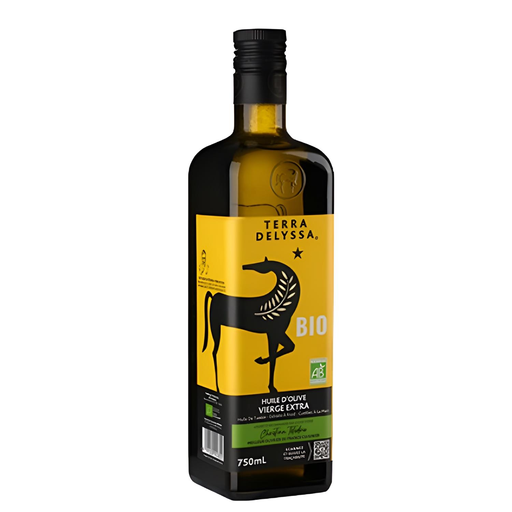
Why we love it: This oil ticks all the boxes for discerning consumers: it is certified organic, extra virgin, and obtained through cold extraction. Its Tunisian origin gives it a smooth, fruity taste, making it incredibly versatile for everyday use, whether drizzled over a salad or used for gentle cooking.
Key features:
Best for: Perfect for families and everyday cooking. It's the ultimate all-purpose oil, with no pronounced bitterness, that will please every palate.
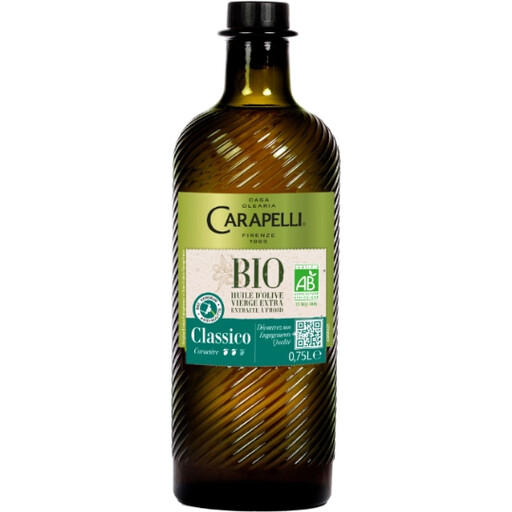
Why we love it: Carapelli delivers an organic oil with a beautifully balanced flavour profile. We particularly appreciate the thoughtful packaging: the tinted glass bottle protects the oil from light (its number one enemy), while the non-drip pour spout is a real plus for clean, precise dispensing.
Key features:
Best for: Those who appreciate the small details that make life in the kitchen easier and are looking for an excellent do-it-all organic olive oil for everything from salads to sautéing.
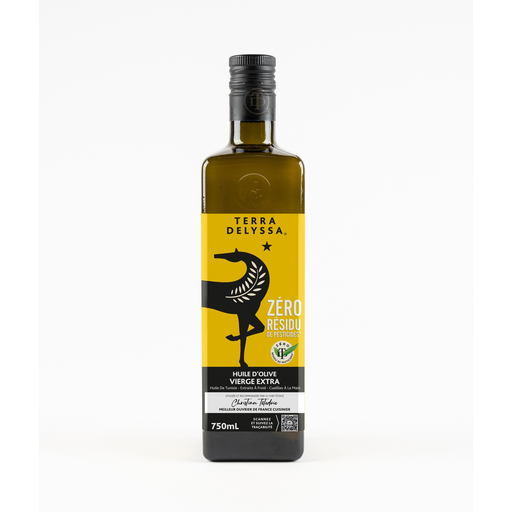
Why we love it: This non-organic version from Terra Delyssa remains an excellent alternative. The brand makes a strong commitment by guaranteeing a production process free from pesticide residues. The result is an extra virgin oil with a light, fruity taste, designed as an everyday essential. Its integrated pour spout is as practical as ever.
Key features:
Best for: Those who prioritise a quality extra virgin oil for frequent use and great value, even if the organic label isn't an essential criterion.
Our selection focuses on versatile and accessible oils that are ideal for everyday use. But the world of olive oil is infinitely rich, with aromatic profiles ranging from delicately fruity to intensely robust.
To explore other terroirs, olive varieties, or sizes, feel free to browse our complete range.
1. Can you use extra virgin olive oil for cooking? Yes, absolutely. An extra virgin olive oil for cooking is stable up to approximately 180°C. This makes it perfect for sautéing vegetables, preparing slow-cooked dishes, or roasting food in the oven at a medium temperature. Just avoid using it for very high-temperature deep-frying, which would degrade its aromas and health benefits.
2. What is the difference between organic and conventional olive oil? The entire difference lies in the olive groves. To obtain organic olive oil certification, growers must adhere to strict European regulations that prohibit the use of synthetic pesticides, herbicides, and chemical fertilisers. Independent bodies conduct regular inspections to ensure compliance.
3. Why does my olive oil become cloudy or solid in the cold? Don't worry, this is a 100% natural phenomenon that does not degrade the quality of your oil in any way. Olive oil is primarily composed of fatty acids that can solidify at low temperatures (generally below 10-12°C), giving it a cloudy or flaky appearance. Simply let it return to room temperature, and it will regain its normal fluidity and appearance within a few hours.